Social and constitutional discussions unravel over the Pachama Dadar bauxite block
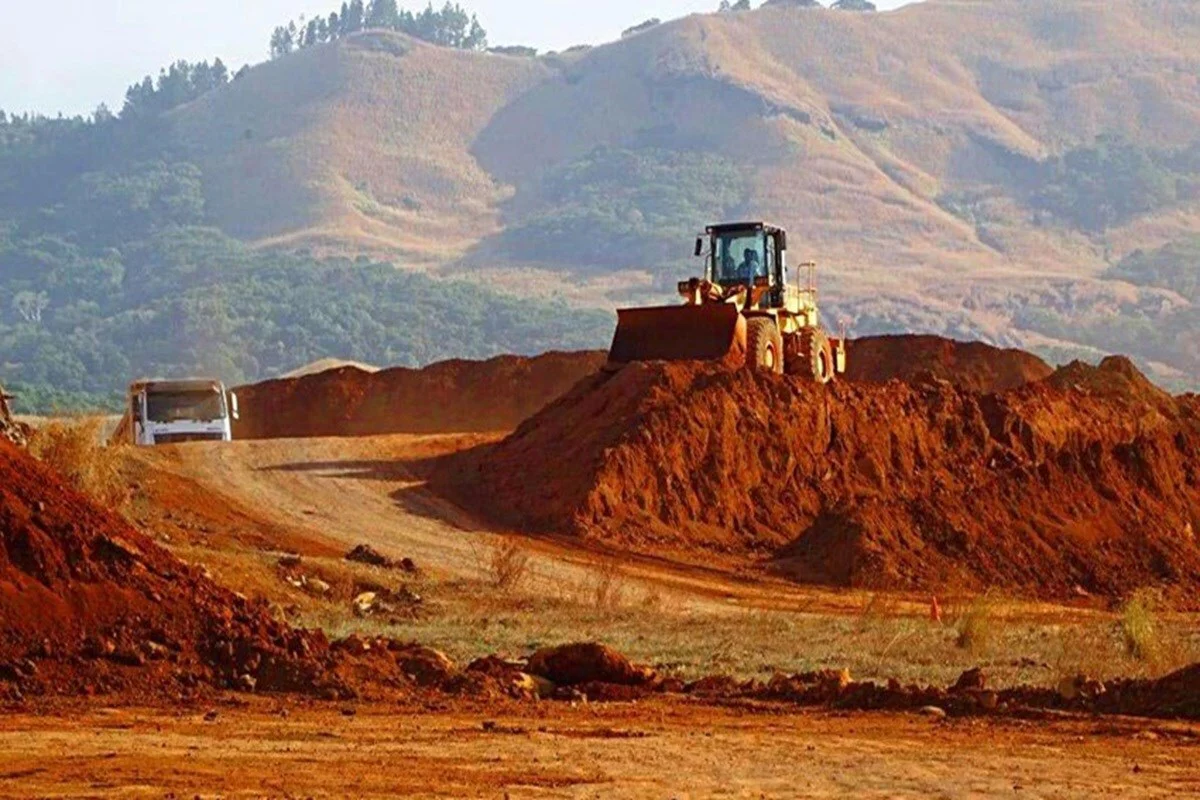
The proposed Pachama Dadar bauxite mining block in Balaghat district, Madhya Pradesh, has unravelled discussions over environmental factors, constitutional components, and mining policy. The auction process initiated in 2023 has been scrutinised regarding environmental assessment, procedural commitments and tribal land and water rights and also to gain a better insight into the matter.
For the global aluminium value-chain 2026 outlook, book our exclusive report “Global ALuminium Industry Outlook 2026"
The primary factor discussed in the Environmental Impact Assessment (EIA) report for the project relies on data from three months (December 2024 to February 2025). Consequently, it may not be suitable to fit the multi-seasonal baseline data for an accurate evaluation of ecological impacts. The report also omits detailed water use and groundwater extraction figures, even though the region already faces critical water scarcity.
The EIA has not quite touched the legal frameworks like the Forest Rights Act (FRA), the Environment Protection Act, and the EIA Notification of 2006. The project’s claim that the FRA does not apply overlooks the requirement for prior, free, and informed consent from Gram Sabhas under the PESA Act.
Read More: Guinea faces a paradox with rising bauxite production not helping with the falling prices
The area surrounding the proposed mining block includes over 24,000 hectares of dense forest connecting to the Kanha–Pench Tiger Reserve, making it a biodiversity hotspot. It has not elaborated on EIA’s Environmental Management Plan (EMP) negative impacts, but rather describes long-term effects of open-cast mining as “negligible.”
Local tribal communities have expressed concerns over the matter. On February 12, hundreds assembled outside the Ukwa Forest Range office, asking for cancellation of the scheduled environmental public hearing.
The EIA’s statement that no permanent water sources exist within the core area may seem ambiguous, given the presence of seasonal streams, rainwater recharge zones, and existing groundwater stresses that support agriculture and community needs.
The project has emphasised employment gains but requires providing a credible analysis of relocation, livelihood, health and environmental conditions associated with open-cast mining, such as truck traffic, dust, noise, and social disruption.
The broader history of mining in Balaghat reveals concerns regarding land, ecosystem, and social structure. While mining has contributed to economic output, there is still room for it to improve its impact on tribal communities’ lands, culture, and traditional ways of life.
Local Minister of Lower Assembly, Sanjay Uike, as well as the community members, are asking for reconsideration of the auction, public disclosure of Gram Sabha consent, and compliance with constitutional safeguards, environmental norms, and tribal rights. They have advised that protecting ecological balance and fundamental constitutional rights is a solemn obligation, adding that revenue generation should complement democratic governance, not supersede it.
Don't miss out- Buyers are looking for your products on our B2B platform

Ghana’s bauxite circularity plan: Domestic circulation or leakage leading to Guinea 2.0?
Next articleAlcoa secures federal approval for mining in Western Australia under the EPBC Act
Grow with
AL Circle