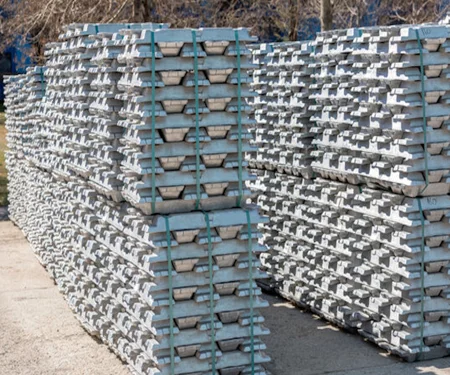
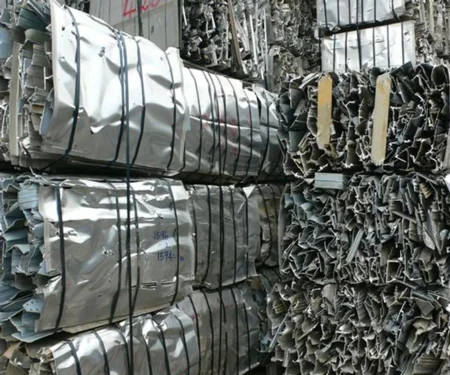
Skuld files patent application for scrap-to-wrought aluminium casting process under DARPA programme
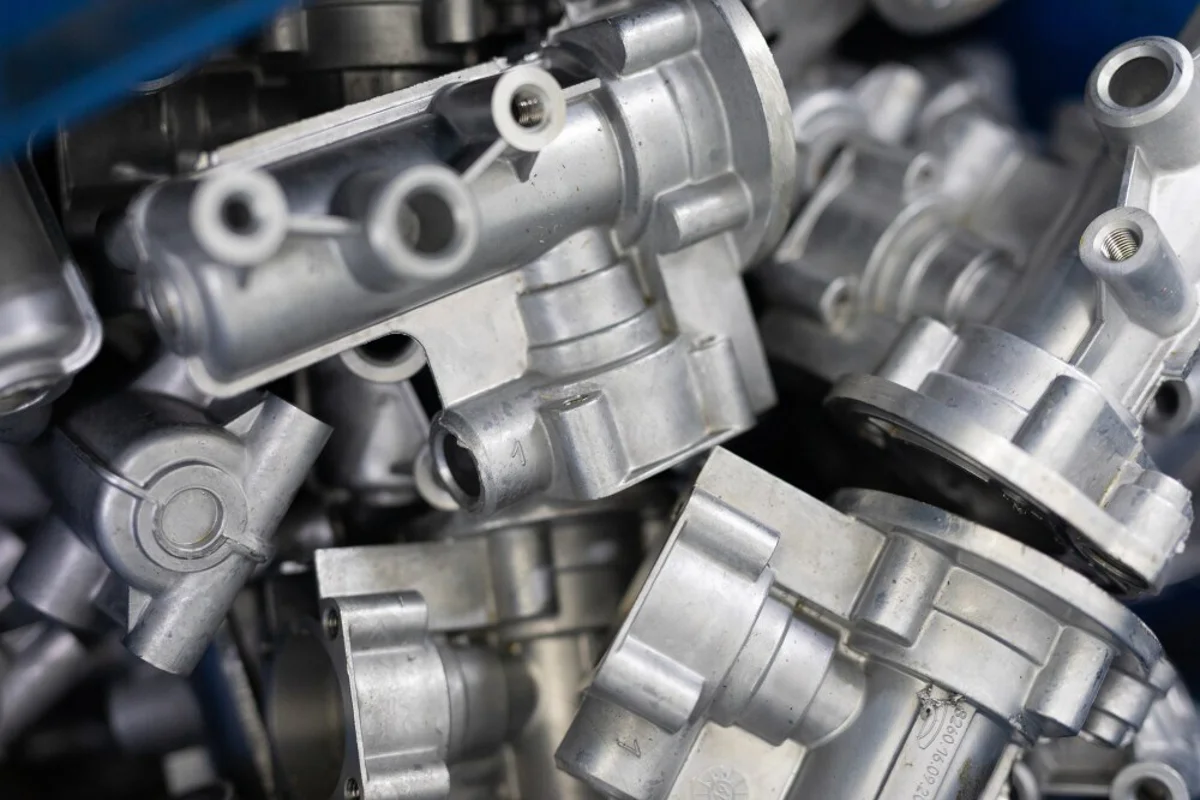
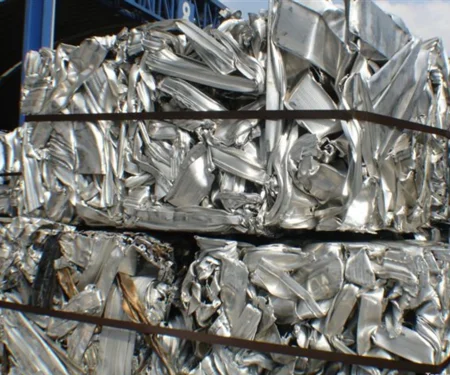
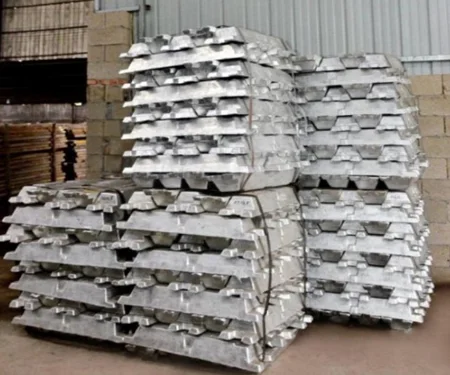
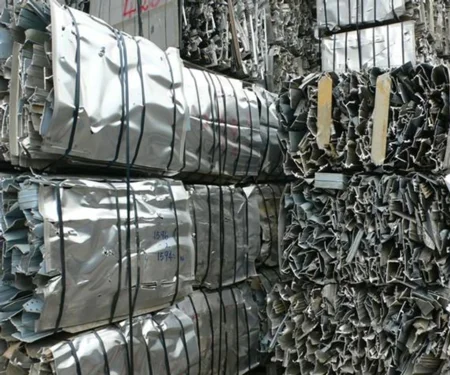
Stock image for referential purposes only
Skuld has filed a patent application for a process that enables wrought-grade aluminium alloys to be cast directly from scrap metal, marking a significant development in advanced recycling and field-based manufacturing technologies.
The US-based manufacturing company is leading a Defense Advanced Research Projects Agency (DARPA) Rubble to Rockets (R2R) programme aimed at converting scrap metal into structural components using advanced casting techniques and artificial intelligence-assisted analysis.
According to the company, the patent application covers the ability to cast wrought-grade aluminium alloys such as 6061 and 7075 directly from scrap feedstock. The process could eliminate the need for traditional rolling or forging steps typically required to achieve wrought-equivalent mechanical properties.
The project is being developed in collaboration with Worcester Polytechnic Institute, Foundry Casting Systems and MatMicronia.
Sarah Jordan, chief executive officer of Skuld, said the R2R programme is evaluating casting methods, alloy behaviour and AI-assisted tools to expand manufacturing options in challenging operating environments.
Explore: The most comprehensive and forward-looking industry-focused report – ALuminium Dross Processing: Generation, Recovery & Strategic Roadmap
AI and portable casting systems central to R2R programme
The programme focuses on solving three major technical challenges: rapid identification of unknown scrap alloys, prediction of alloy performance under load and production of functional components without conventional supply chains.
Skuld is using AI-assisted spark testing technology to identify scrap alloy compositions by analysing the light spectrum generated when metal is ground. Research teams at Worcester Polytechnic Institute and MatMicronia are supporting efforts to predict microstructure and mechanical performance.
The company said recent casting experiments successfully eliminated cracking in complex geometries, a problem that had previously limited the use of scrap-based casting for structural components. Test results showed wrought-level strength could be achieved through casting and heat treatment alone.
Skuld’s manufacturing process, known as Additive Manufacturing Evaporative Casting (AMEC), uses 3D-printed patterns to create lost foam casting moulds without requiring hard tooling. The approach is intended to reduce lead times and capital costs associated with traditional tooling systems.
The R2R programme also includes the development of compact and portable casting systems designed for on-demand production in remote or supply-constrained environments. The capability aligns with broader US military efforts to strengthen domestic manufacturing resilience and field logistics.
The company said the patent filing reflects confidence that the casting process could offer commercially viable applications beyond defence-related use cases.
Separately, QinetiQ recently completed a flight test involving a structural hinge component produced through 3D printing using titanium recovered from a decommissioned aircraft, highlighting growing interest in advanced recycled metal applications across the aerospace and defence sectors.
To look for buying or selling leads of aluminium casting tense scraps, visit our B2B marketplace.

Japan’s primary aluminium imports rise 6.6% in March 2026 as auto demand recovers
Next articleFrom Asia to South America: How aluminium packaging hubs are affected by the Middle East conflict
Grow with
AL Circle