Serbia's exports of aluminium scrap during 2019-21 experienced enterprising growth; 9% upswing estimated for 2022

The exponential growth in global demand for aluminium has made sustainable management of the metal critical. Aluminium usage in the transportation sector has increased due to the transition to a sustainable society with lightweight electric vehicles. Aluminium recycling is therefore essential to prevent the waste stream from going to landfills. Due to the high energy consumption and waste generation during primary aluminium production, it has a higher environmental impact than secondary aluminium production.
Other than the agricultural sector, the strongest sectors industrial sectors of the Serbian economy are automotive, machinery, energy and mining. The automotive and machinery sectors produce a good amount of metal scrap other than post-consumer scrap.
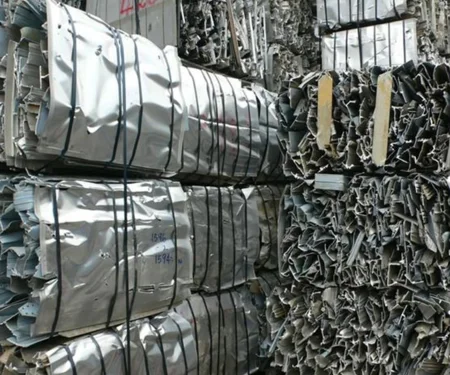
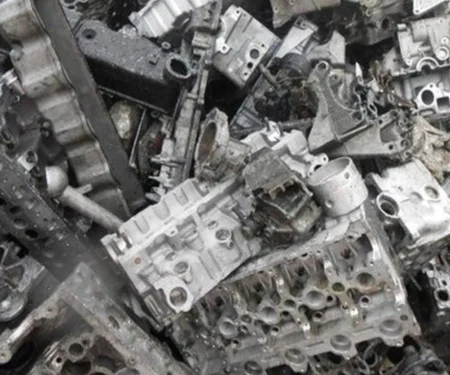
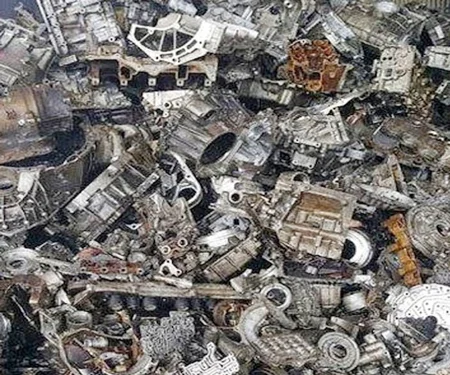
The landlocked nation in Southeast Europe, Serbia exported 42,830 tonnes of aluminium scrap during 2019-21 and incurred revenue income of around $51.78 million from the scrap export.

In 2019, Serbia booked an export of 9972 tonnes of aluminium scrap, attracting earnings of $11.53 million, whereas, in 2020, the export experienced a sharp rise of 43.97%, as the export volume ascended to 14,357 tonnes, counting revenue inflow of $14.65 million.
Serbia’s aluminium scrap export in 2021 was documented at 18,501 tonnes, witnessed an upsurge by 28.86% and earnings excelled to $24.70 million.
The export for 2022 is analysed with further growth of 8.73%, as the exported volume is anticipated to grow and stand at 20,117 tonnes, while earnings remain at $24.70 million.

The major trading nations for Serbia’s export of aluminium scrap are Croatia, Germany, Greece, Italy, Romania, Slovakia, Slovenia, etc.
Shape Corp. to utilize Hydro CIRCAL for the production of aluminium automotive components
Next articleAluminium scrap imports from Canada by the US in 1Q2022 dwindle by 9.58% to 151,000 tonnes
Grow with
AL Circle