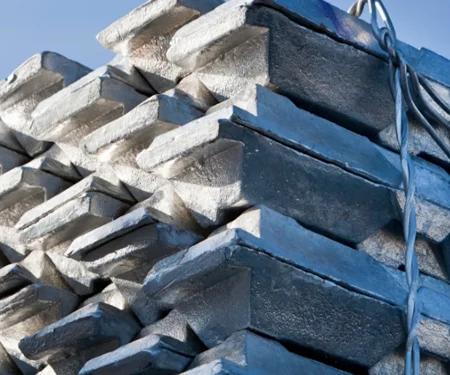
Secondary aluminium in Italy, France and Belgium: 65 Kt recycled, 490 Kt produced & over 1 Mt processed annually
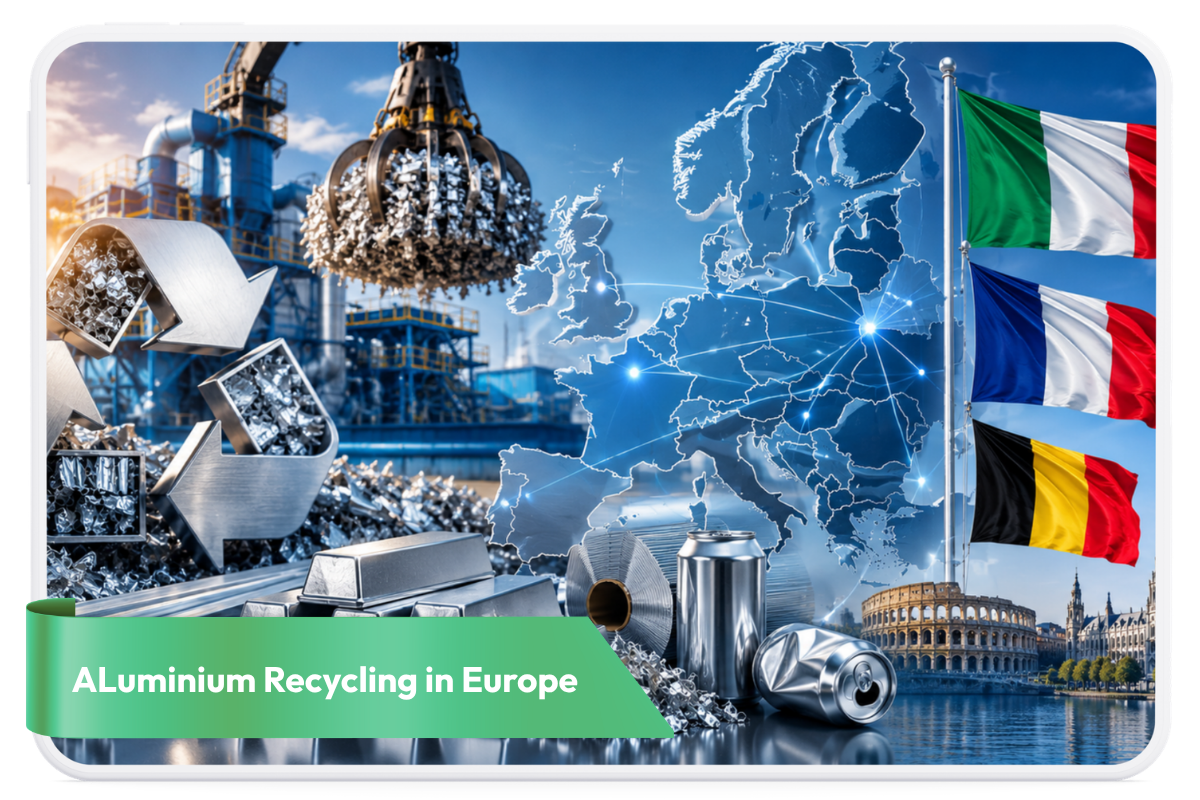
The image(s) used in this article is generated with an AI tool and does not depict any real-time moment
Europe's aluminium industry is undergoing a structural transformation as manufacturers increasingly turn towards secondary aluminium to address rising energy costs, decarbonisation requirements and supply-chain challenges. While the European aluminium market is projected to grow from USD 30.84 billion in 2025 to USD 57 billion by 2035, the region’s primary aluminium production base has continued to shrink, creating a stronger reliance on recycled metal and circular material flows.
The number of active primary smelters in the European Union declined from 23 in 2002 to 11 in 2022, resulting in primary aluminium output falling from 2.7 million tonnes to 1.2 million tonnes. At the same time, secondary aluminium has become increasingly important, accounting for more than 60 per cent of European aluminium production.
Unlock full access – sign up for FREE.
Key benefits
Could the UK’s aluminium scrap export spike risk domestic industrial strategy by 2035?
Next articleIndia: Imported aluminium scrap prices soften w-o-w tracking LME aluminium decline
Grow with
AL Circle