Second round of environment probes start along Yangtze in China for winter heating season 2018
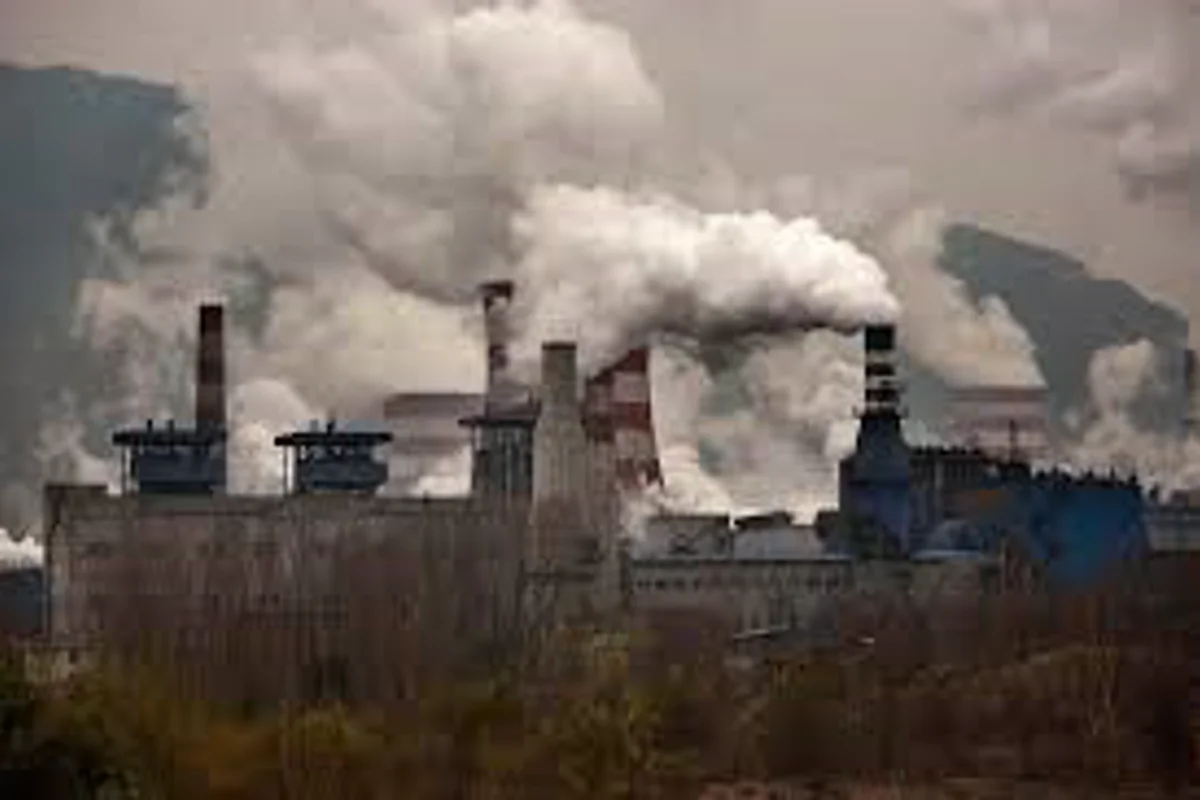
On Monday, October 29, China’s Ministry of Ecology and Environment (MEE) announced that it would begin the second round of environmental reviews soon. Five inspection teams would settle in Shanxi, Liaoning, Jilin, Anhui, Shandong, Hubei, Hunan, Sichuan, Guizhou and Shaanxi provinces to supervise local environmental conditions and review the implementation of rectification plans that were made during previous environmental checks.
The start date and duration of the new round of probes, however, was not revealed then, until the MEE updated us further on Tuesday, October 30.
The first round of environmental reviews lasted for about a month in June and covered Hebei, Henan, Inner Mongolia, Ningxia, Heilongjiang, Jiangsu, Jiangxi, Guangdong, Guangxi and Yunnan provinces.
According to the latest update from MEE, its inspection teams will settle in cities along the Yangtze River on Wednesday October 31, and carry out environmental probes from November 1 to November 10.
Probes will focus on the implementation of air pollution control regulations across major polluting companies, covering Shanghai and cities of Jiangsu and Zhejiang provinces, including Nanjing, Suzhou, Wuxi, Changzhou, Zhenjiang, Hangzhou, and Ningbo.
Inspection teams were selected from environmental authorities in Beijing, Tianjin, and provinces of Hebei, Shanxi, Henan, and Shandong, Shanghai Metals Market learned.
Industrial plants with a high emission of pollution have already been asked to reduce the productions, including alumina and primary aluminium, with an aim to reduce the average concentration of PM2.5 particulate matter by 5 per cent year-on-year, along with reducing the number of heavy pollution days by 5 per cent. Both the aluminium and alumina sectors would be required to cut 30 per cent or more.

However, the National Statistics Bureau showed that despite the aluminium sector output cuts, Chinese refined aluminium output in the first half was 16.47 million tonnes, up 1.6 per cent year on year. The total aluminium output in the entire 2018 is forecast to be at 38 million tonnes, up from estimated output of 36.66 million tonnes in 2017, with domestic aluminium demand this year seen at 37.6 million tonnes, up 6% year on year, data from state-run metals consultancy Beijing Antaike showed.
LME aluminium plunged to the lowest since August 8, 2017 on Tuesday; SHFE follows the downtrend
Next articleVedanta’s profit declines 34% YoY in Q2 FY2019
Grow with
AL Circle


