China aluminium stocks fall below 900,000t, defying seasonal norms
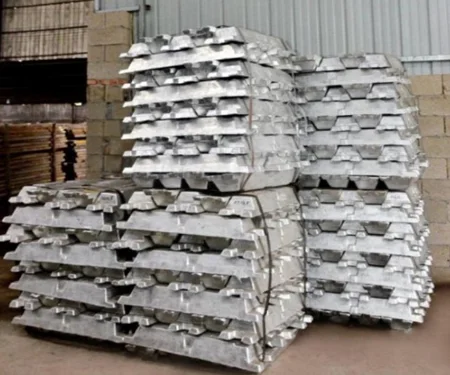
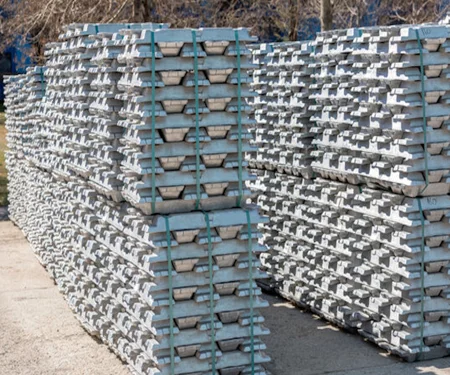
While the traditional summer off-season of 2026 draws to a close, domestic traders' aluminium inventory has successfully dropped below the critical threshold of 900,000 tonnes. This move has completely defied the seasonal pattern of inventory buildup typically seen between June and August, marking a strong counter-seasonal drawdown driven by robust fundamentals.
This rally stands out for its steady upward drift in aluminium prices, while spot premiums/discounts have remained conspicuously unchanged. The combination of futures and spot signals indicates that the current uptrend is not a liquidity-driven bubble, but rather a physical-demand-led rally. It is fuelled by downstream enterprises front-loading their restocking ahead of the peak season and consistent offtake for immediate needs, reflecting solid industrial transactions and resilient demand.
With the "Golden September and Silver October" peak consumption season on the horizon, the commencement rates across construction, power grids, and manufacturing are set to rebound collectively, potentially accelerating the pace of inventory drawdowns.
From a spot inventory cycle perspective, 900,000-tonne serves as a key pivot distinguishing a tight market from a loose one in recent years. According to Mysteel's data, traders' inventory during the 2021-2023 industry lulls often hovered at high levels between 1.0 and 1.4 million tonnes, where ample supply constrained the sustainability of price rallies. With current stocks falling below 900,000 tonnes, the volume of freely circulating and flexibly deployable spot supply has contracted significantly, effectively capping downside price risks.
Meanwhile, the stability of spot premiums/discounts suggests an absence of speculative hoarding or panic buying. Downstream restocking remains rational and demand-driven, avoiding a premature pricing-in of peak-season optimism and leaving ample room for sustained inventory drawdowns and steady price appreciation.
As construction sites resume work and grid projects launch in September, demand from profile and cable manufacturers will release concentratedly, driving the inventory drawdown and solidifying the short-term fundamental recovery trend. This counter-seasonal drawdown is not a fleeting anomaly but the result of a confluence of domestic supply rigidity, industrial structural evolution, and external demand diversion.
Firstly, the ratio of molten aluminium converted directly into products continues to rise, currently exceeding 77 per cent. In major production hubs like Yunnan and Guangxi, molten aluminium is processed directly into bars and billets rather than being cast into ingots for the open market. This has passively reduced visible ingot inventories, resulting in a naturally tight physical supply.
Secondly, overseas supply disruptions persist. The pace of capacity restarts in the Middle East remains slow, while LME aluminium inventories linger at multi-decade lows. This structural overseas deficit supports robust Chinese aluminium product exports, diverting domestic supply and providing crucial external support for the off-season drawdown.
Thirdly, domestic capacity policies impose a rigid ceiling of 45.43 million tonnes. With industry operating rates hitting 98.4 per cent, aluminium smelters are essentially maxed out. There is no spare capacity to buffer the tight physical market; even a modest demand recovery during the lull is enough to drive inventories lower.
On the demand side, the industry has moved beyond its historical reliance on real estate, forging a "dual-engine" growth curve anchored by grid infrastructure and automotive light-weighting, significantly strengthening medium-term support.
In August 2026, China Southern Power Grid released its Key Points for Further Deepening Reform (2026-2029), outlining 123 initiatives across 22 directions in 7 key areas. With nearly one trillion yuan in investments planned for the 15th Five-Year Plan period, focusing on UHV grid frameworks, urban-rural distribution network upgrades, offshore wind power transmission, and integrated power-carbon-computing infrastructure, demand for aluminium in UHV cables, substation structures, energy storage enclosures, and power equipment casings is set for stable release.
Furthermore, the ongoing substitution of copper cables with aluminium alloys continues to open up new demand space, providing a solid floor for long-term destocking as power-sector demand offsets weakness in architectural profiles.
The automotive light-weighting sector continues to contribute structural growth. While July sales dipped seasonally due to post-H1 stimulus exhaustion, high temperatures, and flooding in the south, structural resilience remained evident. Vehicle exports surpassed 1 million units for the second consecutive month, with electric vehicles (EVs) accounting for over 50 per cent of exports. Domestically, EV penetration exceeded 60 per cent for the first time in a single month and has crossed the 50 per cent threshold cumulatively, cementing electrification as the industry mainstream. Demand for aluminium in structural components such as integrated die-castings, battery casings, and chassis parts are expanding steadily, resonating with grid demand to bolster overall consumption.
The macro policy environment further reinforces expectations of domestic demand recovery. The July 30th Politburo meeting signalled a more proactive fiscal policy and a moderately loose monetary policy for the second half of the year, emphasising counter-cyclical adjustments to boost consumption and optimize market competition.
An accommodative credit environment will lower financing costs for consumers and enterprises. Incremental policies, such as auto trade-in programs, accelerated infrastructure spending, and stimulus for bulk consumption, are expected to sustain downstream operating rates and spot procurement willingness, further accelerating inventory drawdowns. Current market constraints suggest a phase of steady repair and moderate destocking rather than extreme short-squeezes. Real estate demand has yet to see a material recovery, with fabrication fees for architectural profiles remaining inverted.
Consequently, downstream enterprises lack the incentive for large-scale speculative stockpiling, keeping restocking rhythms measured and limiting the potential for a sharp surge in spot premiums. Additionally, the presence of "hidden inventories", such as semi-finished goods at plants and bonded zone stocks, partially offsets the drawdown in visible traders' inventory, resulting in a market that is tight but not scarce.
In summary, the aluminium market has entered a favourable window characterized by low traders' inventory, policy support, improved end-user structures, and front-loaded peak-season restocking. The trend of drawdowns driven by immediate demand is likely to persist through the end of August, with the pace potentially accelerating in September as the peak season commences. This rally, underpinned by genuine physical transactions, possesses solid fundamental support. A volatile but upward-biased price pattern is established, with limited downside risks. The industry's destocking cycle is poised to strengthen further through the remainder of the year.
Note: This news is published under a content and exchange agreement with Mysteel
Macro expectations repeatedly disturb futures, weak expectations for peak season, aluminium prices are under pressure
Next articleUS-Canada trade deal could cut aluminium tariffs to 25%, autos to 15%
Grow with
AL Circle