Samsung partners with Emirates Nature to form a circular economy along its flagship products

To keep up with the emerging concept of Net Zero and sustainability, Samsung has decided to collaborate with Emirates Nature-WWF to recycle its end-of-life products. Recycling is a critical aspect of Samsung's sustainability goals as it helps create a material loop along the production line, which in turn is beneficial for the company as the need for purchasing fresh batches of raw materials decreases.
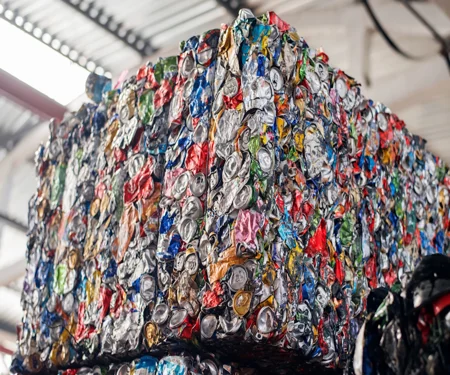
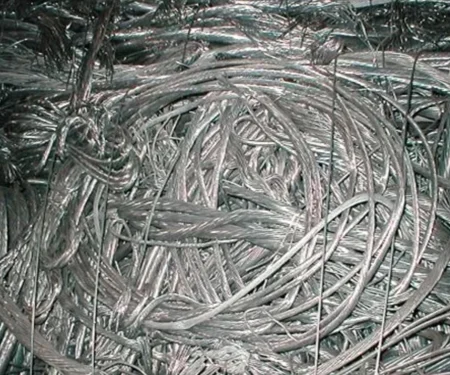
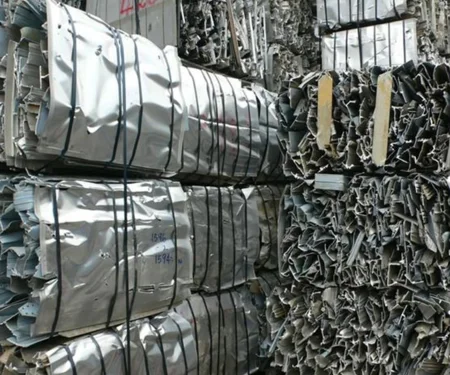
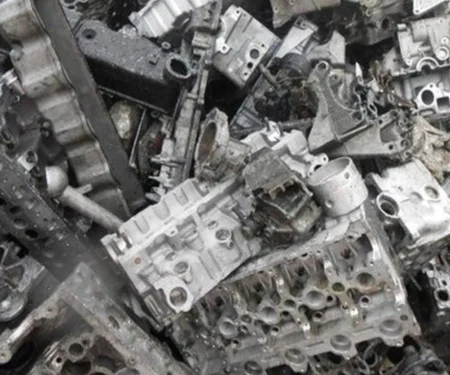
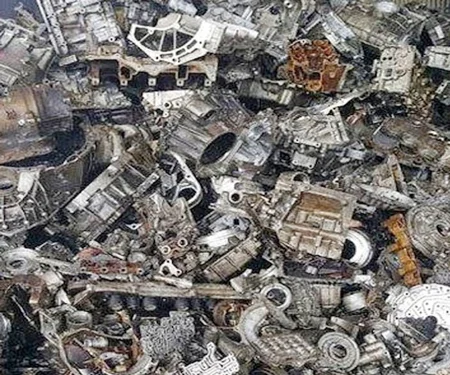
Samsung Galaxy devices incorporate pre-consumer recycled aluminium and other end-of-life materials which have been sourced from industrial waste generated during the manufacturing process. Samsung has successfully implemented a closed-loop system for aluminium recycling, which allows them to reuse the material to create new products, reducing the amount of waste that ends up in landfills. The company also encourages the recycling of all the other materials that it uses to produce its flagship devices, like glass and plastic. Samsung is keen on incorporating more and more recycled materials in the design of its new products.
Samsung's commitment to aluminium recycling is part of a broader effort to reduce the environmental impact of its products. By incorporating recycled materials into their devices, Samsung is not only reducing their carbon footprint but also promoting a circular economy. The company's initiative with Emirates Nature-WWF is a testament to its unwavering dedication to sustainability and environmental protection. Through this partnership, Samsung is driving sustainable change in the UAE and contributing to preserving the region's unique landscapes.
For experts in the field, it is clear that Samsung's end-of-life products recycling drive is a significant step towards creating a more sustainable future. As the demand for electronic devices continues to grow, it is essential to find ways to reduce the environmental impact of their production and disposal.
Sustainable Initiatives across the global aluminium value chain in 2023
Next articlePerennial: Your trusted source for sustainable excellence in aluminium products
Grow with
AL Circle