Saint-Gobain to shut alumina-zirconia-silica line in Falconer, 79 jobs affected

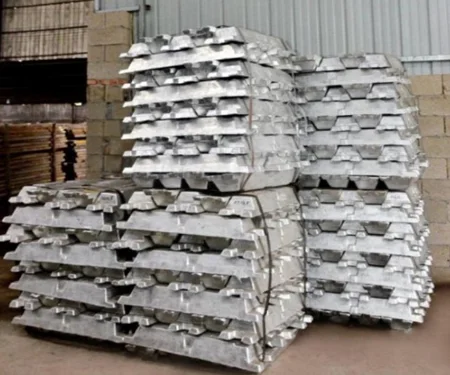
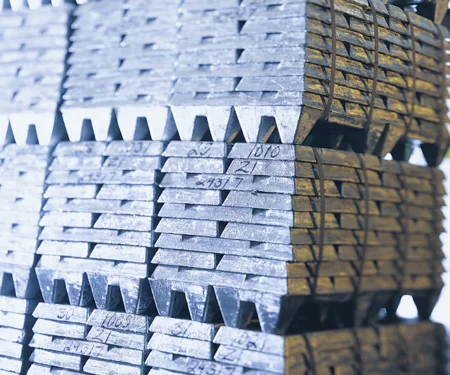
Stock image for referential purposes only
Saint-Gobain is discontinuing production of its Alumina-Zirconia-Silica (AZS) line at the SEFPRO facility in Falconer, a move that will result in the loss of 79 union and salaried positions linked to the operation. Production on the AZS line is expected to end in August, according to a company statement released on Wednesday. The Falconer facility, formerly known as Monofrax, will continue operating its remaining product lines despite the shutdown.
“This will not impact every product line at Falconer, and the facility will continue the production of its remaining product lines,” the company stated. “This decision comes after careful consideration and evaluation of Saint-Gobain’s core business goals and is in line with the company’s mission and strategy. The company values and thanks all the employees impacted by this decision for their hard work and is committed to supporting these employees as they transition out of the business.”
SEFPRO manufactures fused-cast refractories including high-zirconia, alumina and chrome products used in glass melting, steel reheating, electrolytic reduction cells for light metal smelting, coal and black liquor gasification, and nuclear waste vitrification. The Monofrax brand has historically supplied refractory products to the global glass industry.
The closure comes amid mounting cost pressures in the Alumina-Zirconia-Silica market. An April report from Mordor Intelligence noted that AZS manufacturing costs are rising due to growing global demand for specialty ceramics, supply chain shortages, tightening environmental regulations and the energy-intensive nature of fused-cast production.
Zirconium raw materials are also facing a structural supply gap, increasing the prices of zircon sand and high-purity zirconia. Demand growth from sectors such as solid-state batteries, nuclear applications and other advanced technologies has intensified competition for raw materials.
Explore- Most comprehensive and forward-looking industry-focused report — Global Bauxite & Alumina Market Forecast to 2036: Supply–Demand, Trade Flows & Price Outlook
Energy-intensive manufacturing and environmental compliance add pressure
The report further highlighted that AZS manufacturing relies on high-temperature sintering and fused-cast processes that consume large amounts of energy and generate significant carbon emissions. Higher energy prices and carbon compliance costs in North America and Europe have increased operational expenses for refractory producers.
Environmental restrictions on refractory waste disposal have also pushed manufacturers to spend more on recycling systems, regulatory compliance and the transition toward low-toxicity raw materials.
Saint-Gobain’s latest financial results also pointed to softer market conditions in North America. In its first-quarter earnings report released in late April, the company said revenues from its North American operations declined 11.3 per cent on a like-for-like basis, continuing the weak volume trend recorded in the fourth quarter.
The company attributed the slow start to harsh winter conditions, weaker new construction activity and a high comparison base linked to roofing projects associated with 2024 storm repairs. Saint-Gobain said activity improved in March and confirmed that price increases across multiple product categories were implemented in April 2026.
The group also reported growth in construction chemicals and highlighted increasing demand for solutions designed for data centres, with active projects rising to 180 compared with 80 a year earlier.
Company officials expect North American market weakness to continue through the first half of 2026 before conditions improve in the second half of the fiscal year.
Participate in our upcoming e-Magazine: Mine to Market: ALuminium Producers & Manufacturers 2026

Ukraine considers using red sludge from Mykolaiv alumina plant in roads after Korea pilot tests
Next articleAtlas Metals issues new shares as it advances silica-alumina acquisition plans
Grow with
AL Circle