Rising power costs put new smelters at risk, believes Alcoa
Alcoa has warned that the rapid expansion of energy-hungry data centres poses a growing challenge for the future of aluminium smelting, with operators willing to pay far more for electricity than industrial producers can afford. The US-based aluminium business believes the disparity in power costs is already reshaping the landscape for smelter operations.
Addressing the Citi 2025 Basic Materials Conference on December 3, Molly Beerman, Alcoa’s Executive Vice President and Chief Financial Officer, highlighted the widening gulf in energy pricing. She noted that US smelters generally pay between USD 30 and USD 40 per megawatt hour, while data centres are prepared to take power at prices exceeding USD 100 per megawatt hour. That gap, she said, makes it increasingly difficult for smelters to secure competitively priced energy.
Explore- Most accurate data to drive business decisions with 50+ reports across the value chain
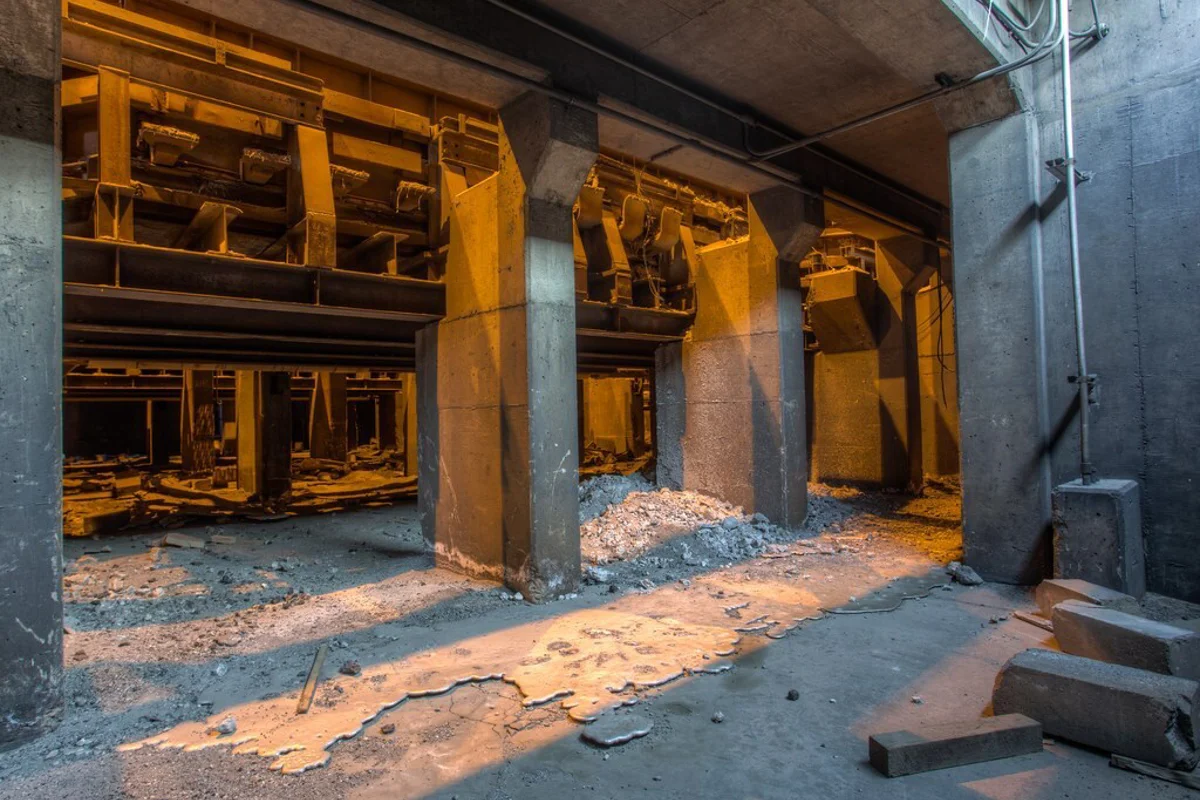
Beerman pointed to the company’s own experience on the US West Coast, where Alcoa’s smelters have now shut. “They’re done. They’re gone. They could not get the power,” she said, stressing that the facilities simply could not compete for electricity against higher-paying users.
Despite the pressures, she emphasised that aluminium smelters remain crucial to the communities in which they operate. At Massena in New York, she said, Alcoa is the principal employer and a major contributor to the local economy. Strong backing from the New York Power Authority and broad political support have helped secure the plant’s place in the region.
Beerman added that the survival of smelting operations today often depends on their location and economic relevance. She cited Québec, where the aluminium industry enjoys robust support, and Iceland, where power infrastructure was originally developed with smelting in mind.
While existing plants benefit from these established arrangements, Beerman cautioned that the challenge will be far greater for any new smelting facility. Competing with data centres for energy, she said, will be difficult when new entrants face rivals willing to pay well above the levels needed for an economically feasible smelter.

Aluminium market in China heats up with a simultaneous export slump and price jump
Next articleLME aluminium cash offer rises to $2,836.5/t and opening stocks drop 0.29%
Grow with
AL Circle