Peel Group questions ALCOA’s bauxite mining as drinking water risks escalate
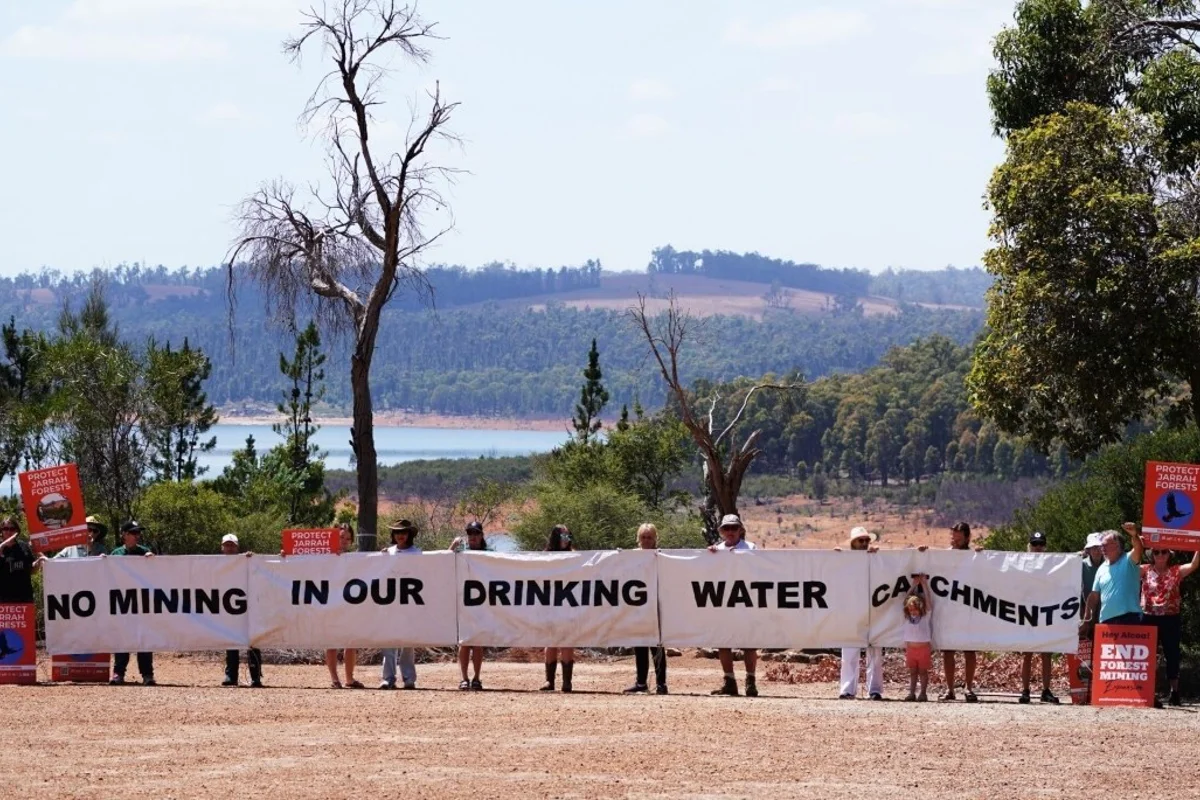
On December 5, a media statement was released by the local community group engulfed in a protest, which has been organised by community groups within the city and at Serpentine Dam on Thursday. The Peel Environmental Protection Alliance shared that the protest was initiated to inform Perth residents that the city’s drinking water supply is “at risk” due to proposed bauxite mining activities in the drinking water catchments.
Last week, ALCOA, a major global producer of aluminium, announced that it was pulling back its plans to explore bauxite mining in the Mundaring Weir Catchment. The company has further pointed to “stakeholder and local community feedback” as the driving force behind this decision.
Now, the officials of the local government and other community groups have raised a serious concern concerning the mining activities posing the potential to contaminate the water supply for Perth and the Goldfields. This has led them to question the possibility of the mining company receiving a permit for mining in other drinking water catchments, like Serpentine and Peel Harvey.
It is deemed that this situation has put all of Mandurah’s drinking water and nearly 20 per cent of Perth’s drinking water at risk. This is mainly because the mining activities carried out by ALCO are causing fuel, heavy metals and lubricants to leak into the dams, which provide water for the community, raising concerns about “jeopardising the quality of water in the dams.”
Rusty Geller, the Chairman of the Peel Environmental Protection Alliance, has stated, “Water in the Serpentine and South Dandalup drinking water dams have been shown to have various pollutants that may soon make the water undrinkable. Water Corp is saying this, not just us.”
The media statement further highlights that, as per the 2023 agreement, the mining company needs to keep USD 100 million, which would be further used as a response effort if the dams with drinking water are contaminated due to its mining activities.
Must read: Key industry individuals share their thoughts on the trending topics
However, the Peel Alliance has provided a further statement that the amount set is not enough. This is because the amount required for cleaning a dam can reach billions as well. In 2024, it was noted that the firm had made a total profit of USD 4 billion.
For the time being, the mining firm received the permit for conducting its own evaluations to fulfil the EPA requirements with the Water Corp. The evaluation highlights that the environmental protection laws have been relaxed, which enables the firm to mine almost anywhere in the region.
Mr Geller further stated, “We feel the state should mandate that ALCOA cease all operations in drinking water catchments immediately. Not just Mundaring’s.”
A recent report from ABC News highlighted that the Water Corporation is genuinely worried about the possibility of contamination at Serpentine Dam caused by ALCOA.
Explore- Most accurate data to drive business decisions with 50+ reports across the value chain
_0_0.png)
Metro Mining’s bauxite shipment overview in light of comparative performances: 2024 & 2025
Next articleBAPAN flags alleged illegal bauxite mining, pushes ESDM for transparent probe
Grow with
AL Circle






















