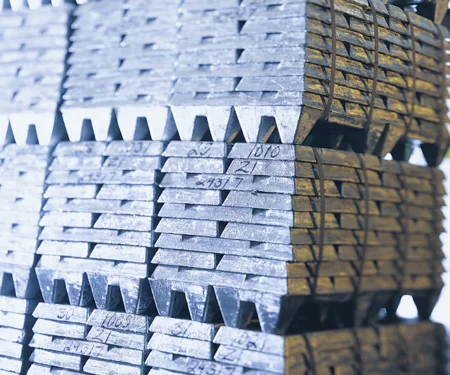
Aluminium market in China heats up with a simultaneous export slump and price jump
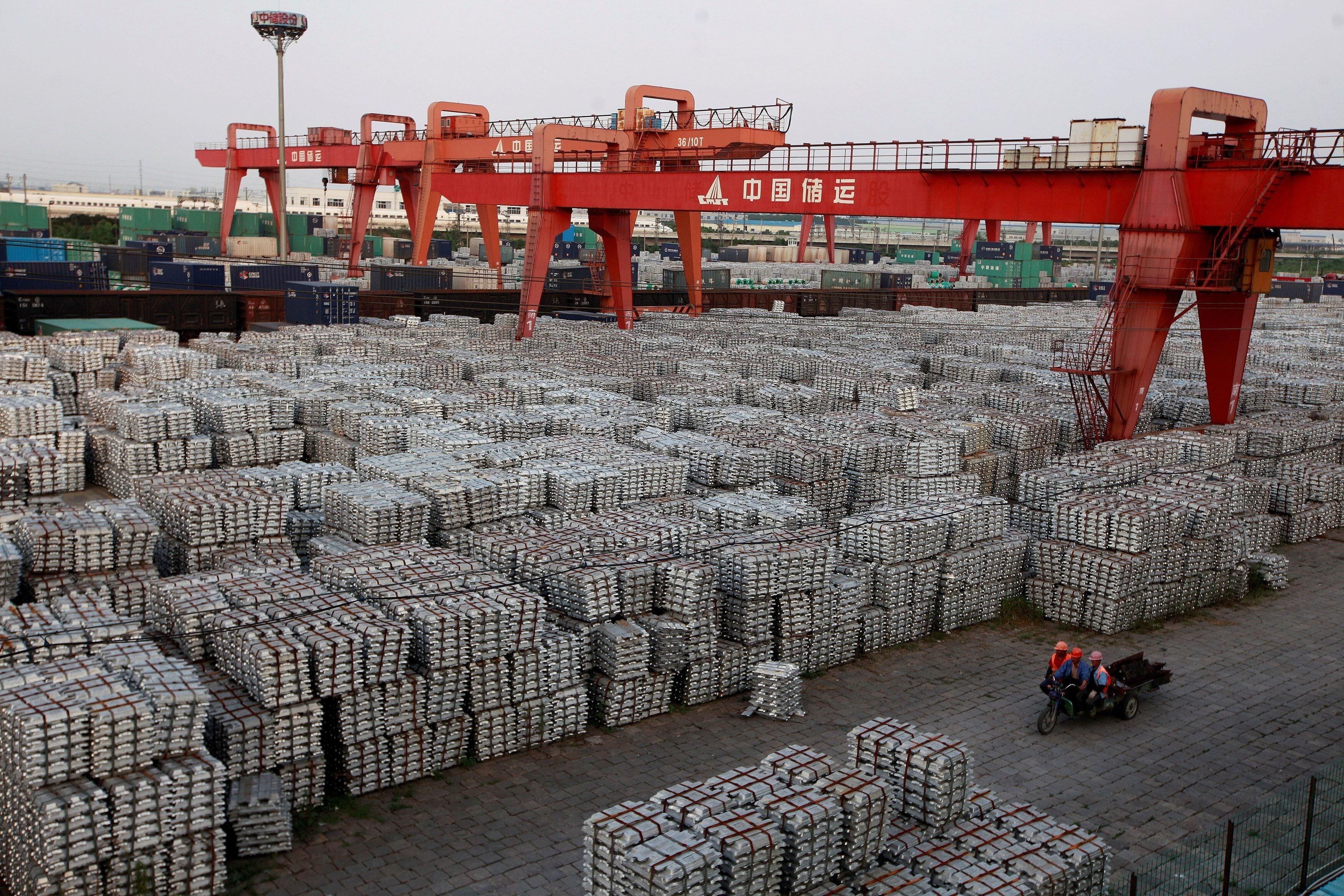
China’s steel and aluminium sectors are moving in sharply different directions, with steel exports surging even as aluminium shipments decline. Steel mills, facing weak domestic demand from the flagging property sector and operating near Beijing’s informal output cap of 1.005 billion tonnes, have aggressively pushed into overseas markets. Exports rose 6.7 per cent to 107.72 million tonnes in the first eleven months of the year, while aluminium exports showed absolutely a reverse trend.
China’s exports of refined aluminium and related products dropped 9.2 per cent in the January to November period, amounting to 5.59 million tonnes. With domestic production expected to come in near the 45 million tonne annual cap, stronger demand from manufacturing and the energy sector has kept more metal at home, tightening global availability.
That scarcity has been clearly reflected in pricing. Benchmark LME aluminium price hit USD 2920 a tonne on December 5, its highest level since May 2022, and a 27 per cent jump from the year’s low of USD 2300 in early April. The rally has offered a rare boost to Western smelters, particularly in Europe and Australia, where high energy costs have ruined competitiveness in recent years.
If Beijing maintains its aluminium output cap through 2026, the global market may face even tighter conditions. How steel evolves will largely depend on the pace of China’s domestic recovery, particularly in construction. As long as the property sector remains weak, mills are expected to continue relying on exports or cutting older capacity. The original analysis also raises the question of whether steel could eventually mirror aluminium’s constrained outlook, should Beijing apply firmer production limits and domestic demand fail to rebound.

2025 throwback: recap of the big primary aluminium companies aiming to go bigger
Next articleRising power costs put new smelters at risk, believes Alcoa
Grow with
AL Circle