RecAL targets Europe’s aluminium recycling bottleneck as industry pushes for higher-value recovery
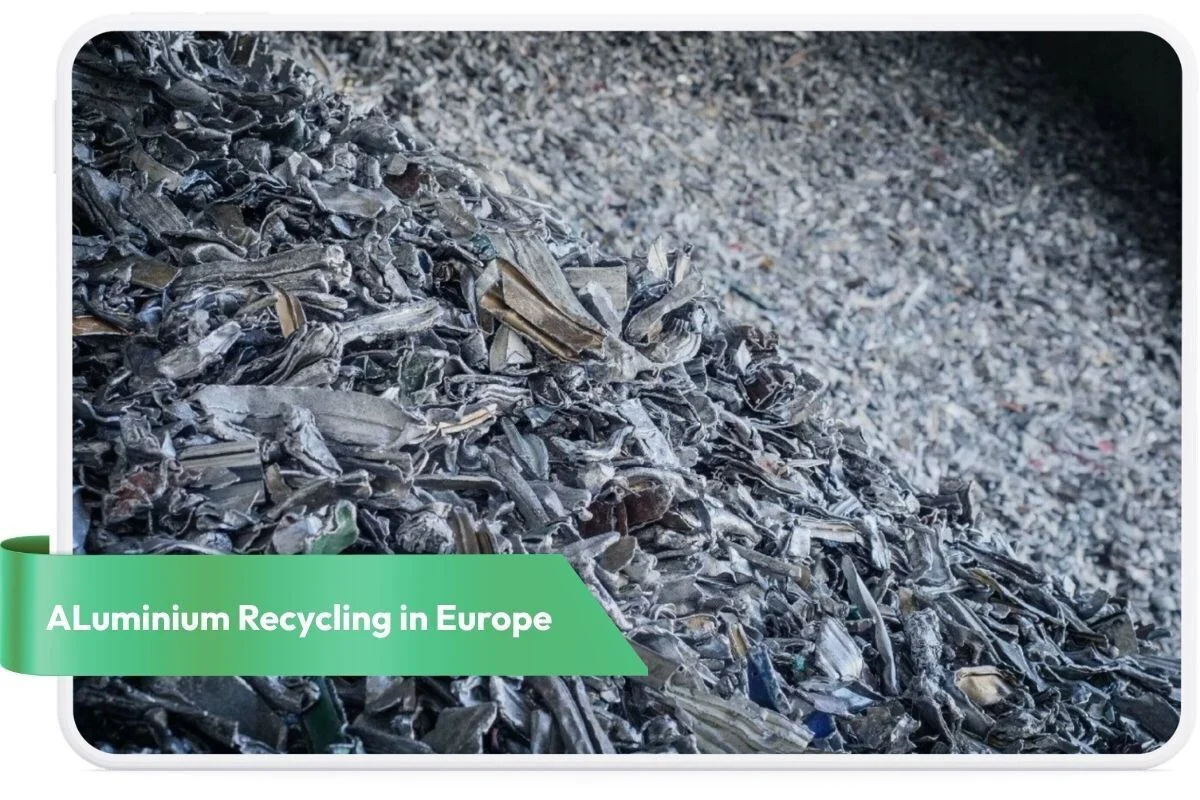
The image used in this article is generated with an AI tool and does not depict any real-time moment
Aluminium Deutschland said Germany’s aluminium sector remains under pressure after production declined further during the first quarter of 2026, with most companies not expecting conditions to improve by the end of the year.
According to the association, Germany produced 684,564 tonnes of recycled aluminium during the first quarter, down around 3 per cent compared with the same period last year.
The industry continues to face major raw material challenges, with 85 per cent of surveyed companies reporting shortages of aluminium scrap.
Within the recycled aluminium segment, refiners increased production by 2 per cent to 128,639 tonnes, while remelters recorded a 4 per cent decline to 555,925 tonnes, making them the main contributor to the sector’s overall weakness.
Demand from key customer industries also remained soft, affecting Germany’s semi-finished aluminium products sector.
Production of semi-finished aluminium products fell 1 per cent year-on-year to 567,688 tonnes. Rolled product output declined 1 per cent to 452,894 tonnes, while extruded product production dropped 4 per cent to 115,794 tonnes.
Explore: The most comprehensive and forward-looking industry-focused report – World Recycled ALuminium Market Analysis Industry forecast to 2032
Aluminium Deutschland said it does not expect meaningful recovery in the semi-finished products segment during the near term.
Industry surveys highlighted worsening business sentiment across the sector. Around 66 per cent of companies described their order situation as poor or very poor, while 71 per cent reported low capacity utilisation levels.
In addition, 57 per cent of companies said they do not expect conditions to improve before the end of 2026.
The association also warned that rising costs, limited scrap availability, weak demand and increasing regulatory pressure are creating long-term risks for Germany’s industrial base.
Many companies have already introduced cost-cutting measures including job reductions, production cuts and plant closures. Some businesses have also started relocating operations outside Germany, raising concerns about permanent industrial migration.
Rob van Gils said the sector continues to operate in a difficult economic and structural environment despite isolated positive developments.
Angelika El-Noshokaty added that the challenges facing the aluminium sector reflect broader concerns about Germany’s industrial competitiveness.
The association said lower energy costs, improved scrap availability and more stable policy conditions are needed to support long-term investment and maintain domestic production.
Aluminium Deutschland had previously criticised the 25 per cent U.S. tariff on aluminium imports introduced by Donald Trump, warning that the measure could negatively affect European aluminium markets.
Explore our e-magazine Sustainability & Recycling: Aluminium's Dual Commitment for the latest industry insights and trends.

From CBAM to recycling growth, here’s how supply shocks and sustainability race redraw the global aluminium map
Next articleIt’s elementary: Students collect 3m+ aluminium cans at US recycling contest
Grow with
AL Circle