AlCircle.com
Qatar’s regional isolation may lead to a drop in its aluminium extrusion export in 2017
Edited by : Dipanwita Gupta
2 min read

<p>The recent move by four countries in the GCC: UAE, Bahrain, Saudi Arabia, and Egypt to cut diplomatic ties and discontinue all land, air and sea communications with Qatar is likely to have a series of immediate ramifications across a wide spectrum of commercial activities in Qatar and the entire of the Gulf region. As a knee jerk effect, two-way trade and investment flows will be affected the most on the bilateral front. Qatar’s aluminium extrusion export which finds a solid market in Saudi will undoubtedly be hit badly over the next few quarters.</p>
<p>{newsStudioGallery}</p>
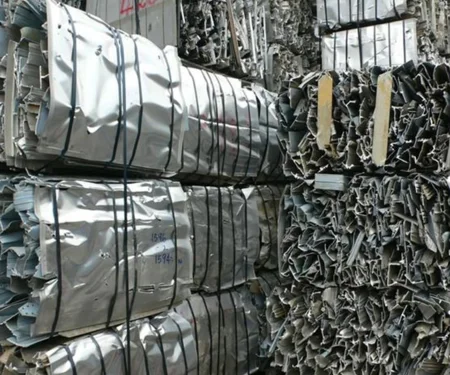
<p>Overall aluminium extrusion trade data shows that Qatar exported 9627 tonnes of aluminium bar rods and profiles (one of the major extruded aluminium product categories) in 2016, down 28 per cent from 2015, when the export volume stood at 13372 tonnes.</p>
<p style="text-align: center;"><img style="vertical-align: middle;" src="http://www.alcircle.com/uploads/images/Qataraluprofiles1.jpg" alt="News" width="483" height="291" /></p>
<p>The total value of aluminium bar rods and profiles export for 2016 was estimated at US$21.5 million compared to US$31 million in 2015. The major countries where Qatar exported its domestically produced aluminium bar rods and profiles last year were Saudi Arabia, UAE, Bahrain, Jordan, Kuwait and the UK.</p>
<p style="text-align: center;"><img style="vertical-align: middle;" src="http://www.alcircle.com/uploads/images/Qataraluprofiles2.jpg" alt="News" width="481" height="282" /></p>
<p>Bahrain imported 783 tonnes of Qatari aluminium extruded products (bar rods and profiles) worth US$1.7 million; Saudi Arabia’s import of 7533 tonnes was valued at US$18.7 million; and UAE imported 4051.5 tonnes of aluminium bar rods and profiles from Qatar at a total cost of US$5 million.</p>
<p>{googleAdsense}</p>
<p>Qatar Aluminium Extrusion Co. (QALEX) registered decent earnings from its offshore sales, of which GCC countries together contributed a major percentage. However, with trade tensions escalating within the Gulf, aluminium extrusions trade is bound to take a hit in the 2017-18 fiscal.</p>
<p>It was earlier estimated that Qatar will export 13031.5 tonnes of aluminium bar rods and profiles worth US$29 million in 2017, but the changed market dynamics does not seem to be delivering up to the forecast.</p>
<p>Nevertheless, Qatar has already started working on its plans to overcome the logistics challenges arising out of the political doldrums. Any long-term prediction on trade or other commercial activities will be too hypothetical at this stage. We’ll have to wait for the nation’s trade authorities to come up with a proper data-backed official disclosure. </p>
Previous article
Australia withdraws countervailing duty on aluminium extrusions imported from VietNam
Next articleAluminium net shipments in North America drop in April 2017
Grow with
AL Circle