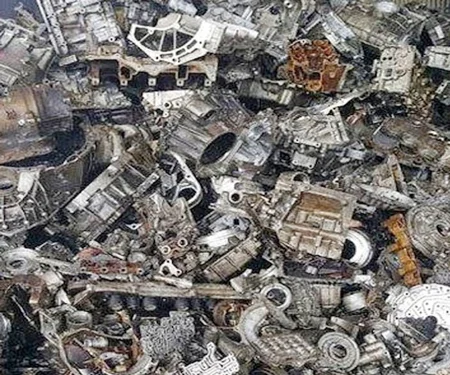
Prime Minister Justin Trudeau stops at Saguenay aluminium hub before heading for G7 summit
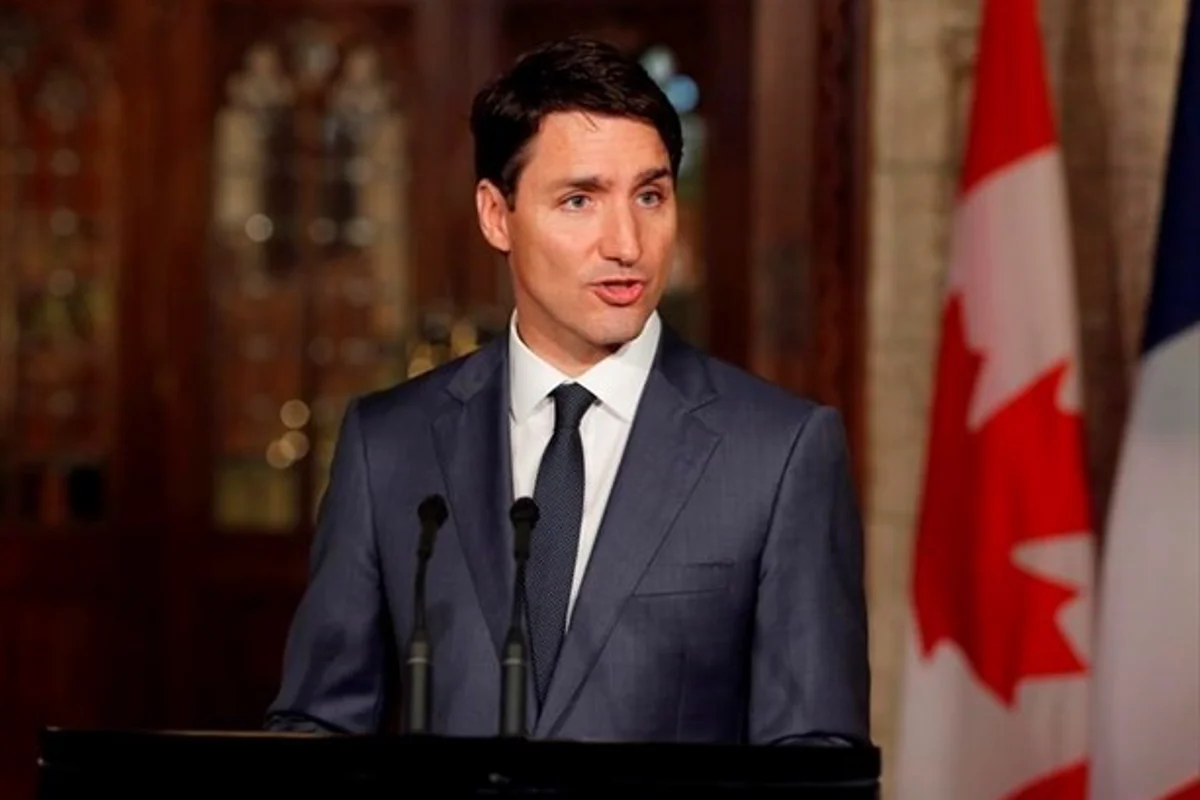
Prime Minister Justin Trudeau stopped at Saguenay, the heart of Canada's aluminium country before heading to the G7 summit — where he repeated his pledge to try to convince Donald Trump about the mistake in imposing tariffs on Canada’s aluminium.
Saguenay has a significant connection to what will be a major point of debate for G7 leaders this week because the region is home to a big part of the country's aluminium industry.
The U.S. president angered his G7 allies last week by imposing punishing tariffs on aluminum and steel imports. Canada and the European Union responded with tariff threats of their own, leaving Saguenay caught in the crossfire of an escalating trade dispute between G7 partners.
"We're interested in defending Canadian interests — and on top of that, it turns out I'm also defending American interests, because these tariffs they're putting forward are going to hurt American workers as well," Trudeau told a news conference.
Trudeau called Trump's tariffs "irresponsible" and "insulting." He, along with other G7 leaders are prepared to urge Trump for the reversal of the duties when they meet him during the summit, which begins Friday in nearby La Malbaie.
"The G7 is an opportunity for us to gather and have frank and direct conversations, and I'm very much looking forward to that," he said.
Business leaders in Saguenay fear the aluminum tariffs could hurt local companies, particularly smaller firms that transform the metal into finished products.
Many locals who have been working in the aluminium industry for decades are worried the uncertainty caused by the tariffs could eventually lead to job losses — on both sides of the border.
Saguenay produces about a third of all Canadian aluminum, has four smelters and has been dubbed the "Aluminum Valley." The city estimates the industry supports 30,000 direct and indirect jobs. Aluminum products can cross back and forth over the Canada-U.S. border several times, which means the tariffs could have varying effects depending where companies sit in the supply chain.
Malika Cherry is director of Aluminum Valley Society that represents regional aluminium firms, except for the big, primary producers. She said the tariffs could have an impact on everyone because they create a "climate of uncertainty and chaos" that threatens to put a chill on things like investments.
Cherry said that because 80 per cent of Canadian aluminium is shipped to the U.S. the tariffs don't make any sense for anyone. It's a "lose-lose" for Canada and the U.S., she said. She wonders whether it's a Trump negotiating tactic linked to NAFTA and the G7.

G7 leaders, including Trump are scheduled to land at the Saguenay's Bagotville military airstrip before driving two hours to the summit site in La Malbaie. The Bagotville base was constructed decades ago to protect Canada’s crucial aluminium assets, which were used to build U.S. military equipment and vehicles.
Tomago Aluminium warns of operations cut due to power deficit
Next articleLME aluminium back to 40 days moving averages; 1808 became the most traded contract in SHFE
Grow with
AL Circle