Renewed rate hike expectations weigh on futures, weakening marginal demand is holding back the recovery in aluminium prices
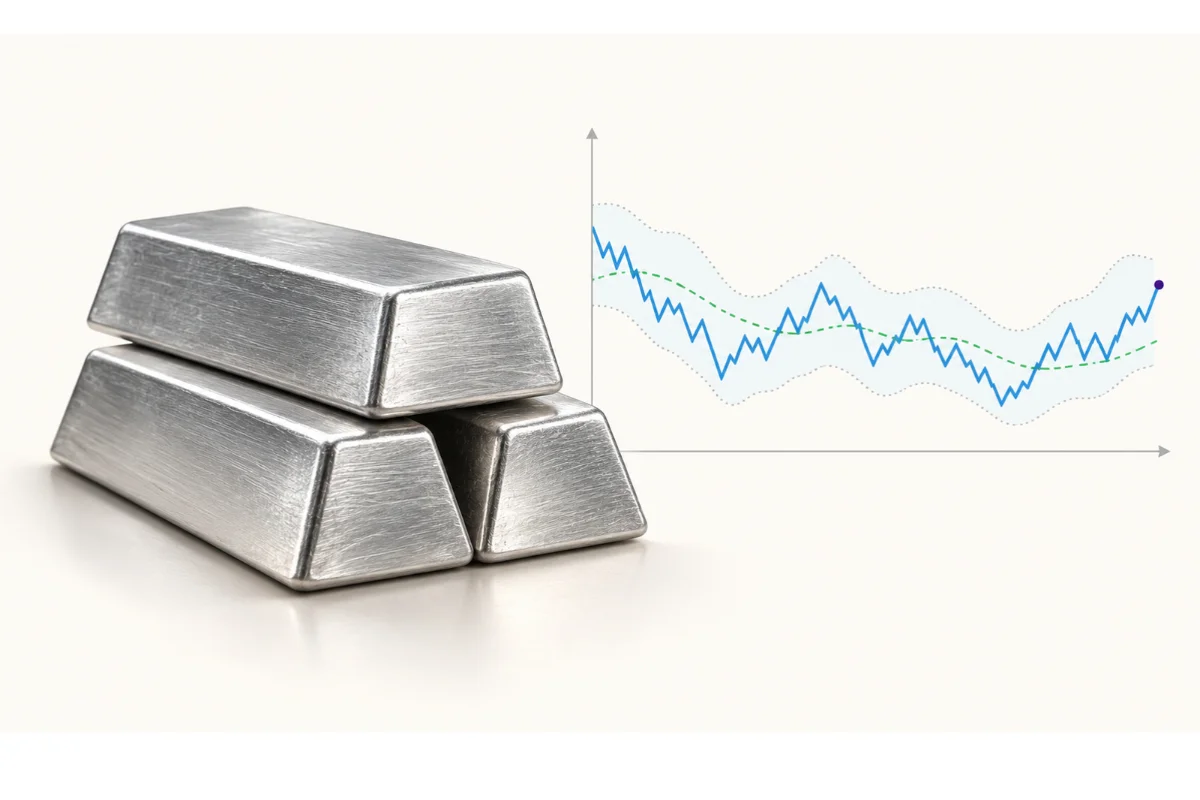
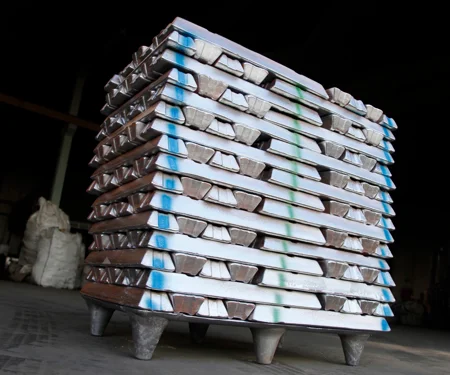
Futures: The most traded aluminium contract on the SHFE opened at CNY 23,310/tonne in the overnight session on October 29, reached a high of CNY 23,405 per tonne and a low of CNY 23,280 per tonne, and closed at CNY 23,375/tonne, up CNY 65 per tonne, or 0.28 per cent, from the previous close. The contract consolidated at the lows with a slight rebound, with prices holding above the 20-day moving average, while the 5/10/40/60-day moving averages formed resistance above. Trading volume for the session was 59,966 lots, with open interest amounting to 250,000 lots, an increase of 2,632 lots, mainly due to an increase in long positions.
On the technical side, the 4-hour MACD maintained a golden crossover, and the red histogram expanded, suggesting short-term consolidation and recovery at low levels with relatively weak rebound momentum. The three-month LME aluminium contract opened at USD3,075.00 per tonne on October 29, reached a high of USD 3,086.00 per tonne and a low of USD 3,043.50 per tonne, and closed at USD3,068.00 per tonne, down USD 13.00 per tonne, or 0.42 per cent, from the previous close.
The contract rallied sharply before retreating slightly, with prices holding above the 5-day and 10-day moving averages, while the 20/40/60-day intermediate and long-term moving averages continued to cap the upside. Trading volume for the session totalled 16,800 lots, with open interest reaching 572,000 lots, up 7,622 lots, while bears expanded their positions. Technically, the daily MACD maintained a golden cross below the zero axis, and the red histogram narrowed slightly, indicating a slowing recovery at low levels.
Macroeconomic background: The US economy grew 3.4 per cent year-over-year in the third quarter, up from 2.2 per cent in the second quarter and above analysts' expectations of 3.2 per cent, with a boom in AI investment continuing to drive economic growth. According to a report released by the US Bureau of Economic Analysis on Thursday, the Personal Consumption Expenditures (PCE) price index showed prices rose 0.5 per cent month-over-month in September and 3.6 per cent year-over-year.
The acceleration in price growth further suggests that inflation remains above the level desired by US Federal Reserve policymakers. According to CME FedWatch, the probability of the US Federal Reserve keeping the interest rate unchanged in December is 25.1 per cent, while the probability of a 25 basis point hike is 74.9 per cent. The chance that the US Federal Reserve will keep rates unchanged until January next year is 17.1 per cent, the chance of a cumulative 25 basis point hike is 58.9 per cent, and the chance of a cumulative 50 basis point hike is 24.1 per cent.
Fundamentals: On the supply side, capacity replacement projects freed up a small amount of idle capacity, and weekly aluminium production in China continued to rise gradually this week; aluminium supplies outside China continued to recover. On the demand side, aluminium prices generally rose this week compared to last week, curbing refiners' buying enthusiasm. On Thursday, aluminium ingot inventories fell by 4,000 tonnes compared to Monday, with the pace of inventory decline slowing midweek. Weakening refiner demand was reported in some regions, and the share of liquid aluminium this week decreased by 0.44 percentage points compared to last week.
The utilisation rate of China's leading aluminium refineries was 61.9 per cent this week, up 0.2 percentage points from the previous week. Overall, this week's rebound was driven primarily by primary aluminium alloys and secondary aluminium, while orders for aluminium plates, sheets, and strip, as well as the seasonal slowdown in construction in the aluminium profile segment, exerted a restraining influence. Looking ahead, attention should be paid to aluminium price dynamics, the pace of environmental inspections in November, and the degree of visibility of existing orders.
Primary aluminium market: East China Market: The Shanghai Futures Exchange (SFE) 2611 aluminium futures contract continued to decline yesterday, and buying sentiment improved accordingly. As the spread between futures contracts narrowed, there was limited scope for lowering spot premiums. While buying sentiment did not recover significantly, the narrowing spread reduced suppliers' willingness to further lower spot premiums. Yesterday, spot aluminium ingots (SMM A00) were traded at a premium of RMB 140-160 per tonne.
Central China market: The sharp decline in aluminium futures triggered a slight recovery in buying sentiment among central Chinese refineries, but it remained subdued due to restrictions on end-user orders. Suppliers maintained a high willingness to sell, with no apparent desire to hold prices, and market premium quotations continued to decline. As a result, actual transaction prices in the central China market were concentrated in the discount range of RMB 30-50 per tonne to the 11-year aluminium contract on the Shanghai Futures Exchange.
South China market: Aluminium prices fell sharply yesterday and the spot market was stagnant. Backwardation narrowed from previous levels, and a weakening basis was expected; however, the recovery in absolute prices was blocked, resulting in a significant decline. Amid this double decline, most suppliers intended to hold prices and stabilise them.
Even when forced to passively reduce prices due to pressure on cash flows from shipments, they actively controlled the magnitude of price reductions. Key quotes ranged from discount to parity, mostly at a discount, but circulation tightened somewhat. On the demand side, buyers initially held back and sought price reductions, then gradually shifted to buying on the decline, and consumer demand recovered. This, in turn, stimulated increased demand for discounted goods, and transaction activity improved from the low levels. Spot prices were concentrated at a premium of RMB 120–160 per tonne to the SHFE 2611 aluminium contract.
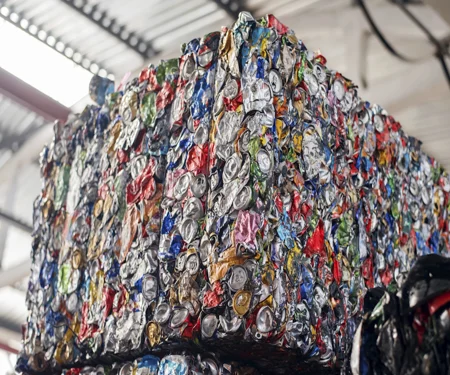
Aluminium scrap: Yesterday, SMM A00 aluminium closed at RMB 23,740 per tonne, down RMB 190 per tonne from the previous trading day, while aluminium scrap prices generally declined by RMB 100-150 per tonne. Regarding the price spread between A00 aluminium and aluminium scrap, Foshan mixed aluminium extrusion scrap without paint was around RMB 2,196 per tonne, while shredded tense aluminium scrap was around RMB 697 per tonne, an increase of RMB 165 per tonne compared with the previous month.
On the supply side, tax audits continued to deepen, and invoice tax rates for some leading aluminium alloy casting processors continued to rise, intensifying competition among enterprises for eligible cargoes, while actual effective supply remained limited. On the import side, prices for imported aluminium shreds at Ningbo Port and Tianjin Port were RMB 20,770 per tonne and RMB20,820 per tonne (tax included), respectively, unchanged from the previous week.
On the demand side, structural divergence was observed: orders for cast aluminium alloys for recycling recovered slightly, and market activity improved from previous levels, but overall growth remained limited, with relatively strong price support for tense aluminium scrap. Scrap recycling companies in the wrought aluminium alloy sector actively reduced purchase prices due to full inventories of raw materials and finished products, and downside risks to wrought aluminium alloy scrap prices began to emerge. In the short term, the aluminium scrap market is expected to remain stable.
On the supply side, the scale and intensity of tax audits remain a key variable, and the tight supply of invoiced cargoes is unlikely to ease anytime soon, giving invoice holders a solid basis for price containment. On the demand side, a moderate improvement in cast aluminium alloy orders is expected to continue to support cast aluminium alloy scrap, but growth will be weak, with limited upside potential.
For wrought aluminium alloy scrap, consideration should be given to the transfer of inventory-driven rollbacks. If wrought aluminium alloy producers continue to push for price reductions, the divergence between aluminium scrap grades will widen further.
Secondary aluminium alloys: The ADC12 market was generally flat last trading day, with SMM ADC12 quotations down 100 yuan per ton compared to the previous trading day. Futures weakened, bearish sentiment intensified, and some companies correspondingly lowered their quotations. On the cost side, the decline in aluminium prices dragged down aluminium scrap prices, but due to the limited supply of invoiced scrap, the decline in scrap prices was relatively restrained, and the price differential between A00 aluminium and scrap narrowed slightly.
ADC12 production costs remained relatively high, providing some support to spot prices. On the demand side, downstream orders have recently recovered moderately, and market demand has improved from previous levels, although overall growth remained relatively limited. The market is expected to continue to move sideways in the short term, with futures movements, commodity price movements and downstream buying remaining to be monitored.
Comprehensive forecast: Macroeconomic sentiment is mixed; fundamentally, inventories continue to decline, but the pace of decline slowed midweek, leading to market sentiment suggesting weakening downstream demand. Fundamentals are also mixed, with aluminium price consolidation and correction expected in the short term.
LME aluminium price cools nearly 1% on October 29; Asian Ref Price jumps to $3,078.5/t
Next articleNorth American aluminum demand rises 3.5% in H1 2026 as imports offset domestic supply decline
Grow with
AL Circle