IBAAS–VFMSTA 2026 concludes in Hanoi, highlighting advances in aluminium technology, decarbonisation and red mud utilisation
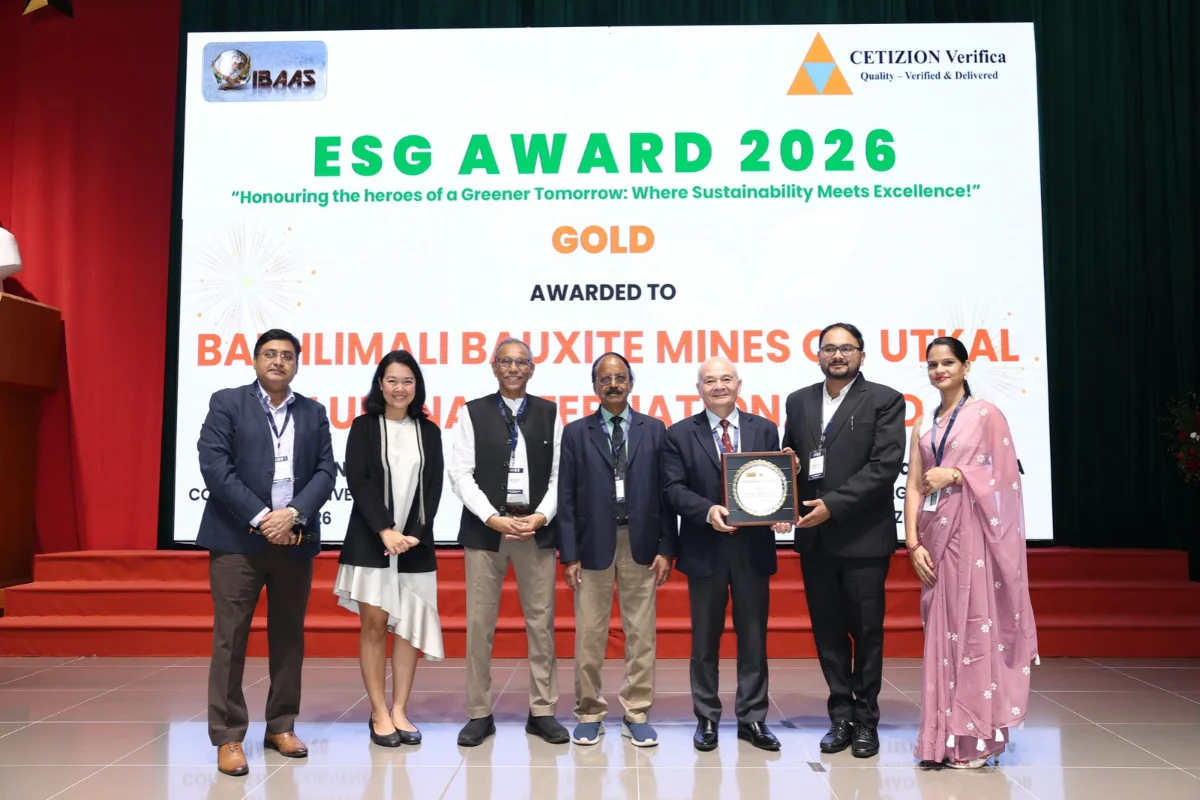
This image has been obtained via official Press Release
The 15th International Bauxite, Alumina & Aluminium Conference & Exhibition (IBAAS–VFMSTA 2026) concluded successfully on 29 October 2026 at Hanoi University of Science and Technology (HUST), Hanoi, Vietnam. The two-day international conference brought together industry leaders, technical experts, researchers, consultants and business representatives of Vietnam and international experts to discuss technological developments, operational challenges and emerging opportunities across the global bauxite, alumina and aluminium value chain.
Organized by the International Bauxite, Alumina & Aluminium Society (IBAAS), in association with the Vietnam Foundry and Metallurgy Science and Technology Association (VFMSTA), the conference provided a platform for examining key industry priorities, with particular emphasis on sustainable production, resource efficiency, process optimisation, low-carbon technologies and the utilisation of industrial residues in Vietnam.
Global industry outlook and Vietnam's aluminium ambitions
The conference opened with keynote presentations examining the development prospects of Vietnam's bauxite, alumina and aluminium industries, alongside the changing dynamics of the global aluminium market.
Presentations addressed Vietnam's green aluminium transition, the outlook for bauxite, alumina and primary aluminium over 2026–2036, the country's position within the emerging Southeast Asian aluminium market, and the growth prospects of the aluminium profile sector. Speakers also examined the carbon implications of the next aluminium growth cycle, resource potential and expansion ambitions in Vietnam, and the engineering requirements for developing its bauxite and alumina industry.
A presentation on a low-energy, zero-carbon Bayer steam circuit further highlighted the industry's growing focus on reducing energy consumption and emissions in alumina refining.
Advancing bauxite beneficiation and alumina production
The technical sessions on bauxite and alumina covered a broad range of developments aimed at improving resource recovery, plant performance and production efficiency.
Key subjects included advances in alumina technology and equipment, recovery of high-purity gallium from Bayer liquor, decarbonissation strategies for digestion facilities, and the selection of suitable alumina production technologies for Vietnam. Presentations also explored bauxite recovery from processing plant tailings, beneficiation for metallurgical and non-metallurgical applications, maximising capacity in tube digestion facilities and reducing the carbon footprint of alumina calciners.
Other contributions examined the production of high-purity alumina through thermal decomposition of inorganic aluminium salts, upgrading bauxite and tailings, alumina classification and red mud desanding, as well as the development of calcium aluminate cement from waste alumina.
Together, these discussions reflected the industry's increasing interest in extracting greater value from available resources while improving process efficiency and environmental performance.
Red Mud: from industrial residue to valuable resource
One of the prominent technical areas of the conference was the utilisation and treatment of bauxite residue, commonly known as red mud. The dedicated sessions featured research and industrial perspectives on converting this major alumina-industry residue into useful materials and potential commercial products.
Presentations covered alkali recovery from Bayer red mud, dry disposal practices at the Lam Dong Alumina Plant, and the use of red mud in flue-gas capture and treatment. Researchers also presented work on producing granular materials from Bao Loc bauxite residue for wastewater treatment applications, selective aluminium and iron recovery, and the synthesis of iron oxide nanomaterials for the treatment of chromium-contaminated wastewater.
Further topics included the recovery of aluminium alum and iron oxide from red mud, sulfuric-acid activation for chromium adsorption, and environmental and economic assessments of red mud treatment and utilisation methods in Vietnam.
The discussions demonstrated the growing importance of residue management beyond conventional disposal, with research exploring resource recovery, environmental remediation and opportunities for value addition.
Low-carbon aluminium smelting and digital transformation
The aluminium smelting sessions addressed developments in production technology, plant engineering, environmental performance and operational management.
A key presentation examined the delivery of Vietnam's first 450,000-tonne-per-annum aluminium smelter at the Dak Nong project, highlighting integrated project scheduling and quality management that enabled first metal production 51 days ahead of schedule. Other presentations discussed aluminium electrolysis technology and environmental challenges in Vietnam, carbon-saving technologies and testing standards for anti-oxidation ceramic coatings on prebaked anodes, and integrated technologies for large-scale, green, low-carbon and intelligent aluminium smelting.
Digital transformation also featured in the program, with a presentation on hazardous-waste management at Hindalco's Hirakud smelter, illustrating the role of digital solutions in strengthening industrial waste-management practices.
Focus on aluminium downstream and product development
The downstream session brought attention to alloy development, material performance and manufacturing applications.
Technical contributions examined the use of rare-earth metals to modify harmful intermetallic compounds and improve aluminium-alloy quality, melting and heat treatment of A7075 aluminium alloy for a large furnace-cover application, and the influence of ageing parameters on the microstructure and mechanical properties of extruded 6063 and 6005 aluminium alloys.
These presentations highlighted the importance of materials research and process control in developing aluminium products with improved performance and application potential.
Sustainability, ESG and industry collaboration
The conference concluded its technical program with a panel discussion on the aluminium industry's pressing sustainability and supply-chain challenges, examining how Environmental, Social and Governance (ESG) practices can contribute to more resilient, responsible and future-ready businesses. The program also included the ESG Excellence Awards Ceremony, recognising excellence in sustainability-related efforts.
The conference received strong support from leading industry organisations, with China Nonferrous Metal Industry’s Foreign Engineering and Construction Co., Ltd. (NFC), China, as Platinum Sponsor, and Nalco Water & Bateco Group and Shenyang Aluminium & Magnesium Engineering & Research Institute (SAMI), China, as Gold Sponsors.
The event also featured exhibitors PLA Process Analysers, JGHECEPT Co., Ltd., and Avenue JSC & Tridiagonal.AI Pvt. Ltd., with support from Venus Engineering Works and advertising participation from Amber Generation and VIETCHEM. Their valuable support, along with the contributions of technical speakers, paper presenters, delegates and institutional partners, contributed to the successful organisation of the conference.
Strengthening India–Vietnam industry engagement
IBAAS–VFMSTA 2026 marked an important step in expanding IBAAS's international engagement and strengthening connections with Vietnam's mining, alumina and aluminium industry. The collaboration with VFMSTA and the academic association with Hanoi University of Science and Technology provided a valuable setting for bringing together industrial experience, research capabilities and technical expertise.
IBAAS expressed its sincere appreciation to VFMSTA, Hanoi University of Science and Technology, all sponsors, exhibitors, speakers, presenters and delegates for their contributions to the successful conclusion of the conference.
The Hanoi edition reinforced the importance of international cooperation in addressing common industry priorities, particularly sustainable resource development, technological advancement, carbon reduction and the conversion of industrial waste into valuable resources.
For further information about IBAAS and its upcoming activities, visit: https://www.ibaas.info/
Note: This article has been shared by IBAAS and has been published by AL Circle with its original information without any modifications or edits to the core subject/data.
Grow with
AL Circle












_md.webp)