2027 Aluminium supply-demand balance forecast: High profits drive concentrated capacity additions outside china, supply-demand balance shifts from deficit to surplus
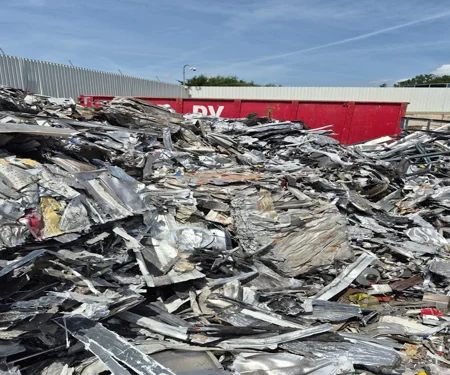
The image used in this article is generated with an AI tool and does not depict any real-time moment
Since 2026, the global aluminium market has maintained a tight balance, with producer profitability remaining high in recent years. As a result, the pace of new project construction outside China has accelerated significantly, and capacity expectations have been continually revised upward. SMM calculations show that as new capacity is increasingly commissioned in Indonesia, India, the Middle East, and other regions, the global aluminium supply and demand structure will shift from the current deficit to a gradual surplus in 2027, and 2027 could become a key turning point in this capacity expansion cycle.
2026: Geopolitical turmoil coupled with demand support; strong profits lay the foundation for an expansionary cycle
In 2026, the global aluminium market was in a supply deficit. According to SMM estimates under a neutral scenario, global aluminium supply in 2026 was approximately 75 million tonnes, demand was approximately 75.5 million tonnes, and the supply-demand gap was approximately 700,000 tonnes.
Amid ongoing geopolitical conflicts in the Middle East, the global aluminium production chain faced regional supply disruptions, which increased the overall market deficit and significantly increased aluminium prices. Producers earned significant profits, and capacity utilisation in the industry increased significantly. High profits sent a clear signal to the global market for expansion.
Investor enthusiasm for aluminium projects outside of China quickly increased, and planned capacity continued to exceed expectations. SMM tracking data shows that expectations for planned aluminium capacity outside China have been sharply raised from around 10 million tonnes at the start of the year to around 24 million tonnes by September, more than doubling, reflecting industry optimism about the sustainability of strong profitability.
Supply side: A wave of project launches outside China is coming; Indonesia is becoming the largest source of growth
The largest variable in global aluminium supply in 2027 comes from outside China. SMM statistics show that the total volume of planned new global aluminium capacity for 2024 and beyond is approximately 25 million tonnes, with the vast majority concentrated outside China.
Indonesia is the dominant force in this expansion. Indonesia is expected to add approximately 2.2 million tonnes of new capacity in 2027, a further jump from approximately 1.25 million tonnes in 2026. On the supply side, Indonesia's aluminium production will rapidly increase from approximately 700,000 tonnes in 2025 to approximately 3.2 million tonnes in 2027, more than tripling in two years, and reaching a peak of approximately 6.2 million tonnes in 2030. Thanks to its abundant bauxite reserves and energy cost advantages, Indonesia is quickly becoming a significant player in global aluminium supply.
India is also a source of growth that cannot be ignored. From 2026 to 2030, India's total planned new capacity is approximately 2.65 million tonnes, with approximately 220,000 tonnes coming online each year in 2026 and 2027. India's growing domestic infrastructure and automotive industry are providing domestic demand, supporting the expansion of its aluminium capacity.
A new round of capacity additions is also expected in the Middle East in 2027, with new capacity totaling approximately 500,000 tons. Furthermore, Angola and other new production regions are starting from scratch: production is expected to reach approximately 350,000 tons in 2027, with the long-term plan calling for growth to reach approximately 900,000 tons.
Notably, planned capacity outside China scheduled for commissioning in 2027 was significantly revised upwards during the year: from approximately 1.6 million tonnes at the beginning of the year to a peak of approximately 4.2 million tonnes in August. Although the figure fell slightly to approximately 3.4 million tonnes in September, it still more than doubled compared to the beginning of the year. This means there is significant uncertainty regarding the actual scale of capacity commissioning outside China in 2027. If project implementation exceeds expectations, supply pressure will further intensify.
In contrast, China's domestic aluminium capacity is already approaching a ceiling of approximately 45.5 million tonnes , leaving extremely limited room for growth. Net domestic capacity growth in 2027 is essentially zero, and future supply growth will rely primarily on projects outside China.
Demand side: New energy is supporting growth, but the pace is not keeping pace with the expansion of supply
On the demand side, SMM expects global aluminium demand to maintain steady growth. Under a neutral scenario, global demand in 2027 will reach approximately 77 million tonnes, up approximately 2per cent year-on-year. Structurally, traditional construction demand is gradually weakening in China's domestic demand, but light transport, machinery and equipment, and energy storage will form new pillars.
Demand from industrial robots and other industries will contribute to a slight increase in aluminium consumption. Regarding demand outside of China, no industries have yet emerged that are driving growth beyond expectations, but overall consumption remains significant. However, compared to the explosive growth in supply, the moderate growth in demand is clearly insufficient to absorb the large volume of new capacity. The pace of concentrated new capacity additions outside of China in 2027 will significantly outpace the demand growth curve.
Forecast of the balance of supply and demand: transition to a gradual surplus in 2027
SMM's neutral scenario calculations indicate that the global aluminium supply and demand balance will reverse in 2027. In 2026, the market remains tight, with a deficit of approximately 700,000 tonnes. As 2027 approaches, with concentrated capacity additions outside of China, supply is expected to reach approximately 79 million tonnes, while demand will be approximately 77 million tonnes.
The market will directly transition to a surplus of approximately 2 million tonnes, with the weakening of the supply and demand balance exceeding 2.7 million tonnes. The key driver of this turning point is precisely the concentrated capacity additions outside of China. In the longer term, the surplus will narrow somewhat in 2028–2029, but the market will remain in oversupply mode. Only by 2031, as some capacity outside China is reduced, phased out of the market, or further demand is released, is the market expected to return to tight balance.
Risk Warning: Capacity ramp-up and geopolitics remain key variables
The supply and demand forecast for 2027 is not final and two key uncertainties remain:
First, the variability in the pace of project commissioning outside China. SMM data shows that expectations for planned capacity outside China fluctuated sharply over the course of the year: projected commissioning in 2027 ranged from approximately 1.6 million tonnes to 4.2 million tonnes—a more than twofold difference. Aluminium projects outside China typically face challenges such as insufficient infrastructure support, a shortage of skilled workers, and unstable power supplies, so actual commissioning progress may be slower than expected. If a large number of projects are delayed, the surplus in 2027 will decrease accordingly.
Secondly, geopolitical and trade policy risks. Policy stability in key producing regions such as Indonesia and the Middle East, changes in export duties, and adjustments to trade barriers in key consuming countries could impact actual turnover. Furthermore, stricter dual controls on energy consumption and energy intensity, as well as environmental protection policies outside of China, could also limit capacity release.
Note: This article has been issued by SMM and has been published by AL Circle with its original information without any modifications or edits to the core subject/data.
US aluminium industry highlights importance of domestic smelting capacity for national security
Next articleChina trade imbalance hits aluminium: India’s imports rise as exports slide
Grow with
AL Circle