18 JULY 2012nst.com.my
Press Metal's construction of a second aluminium smelter at Bintulu would not affect its Mukah plant
Edited by : AL CIRCLE
2 min read

Press Metal's construction of a second and larger aluminium smelting plant at the Samalaju industrial park in Bintulu would not affect the operation of its first plant here.
"We won't shut down, that's for sure," its plant manager here Dr Siew Eng Fui said during a Kembara 1Malaysia media tour of the plant, 38km from here, last week.
He admitted the location of the plant here was less than ideal, but said there should be no fears that production would be scaled back, or the plant shutting down, or operations being moved to Bintulu.
"Ideally, it should be located next to its power supply and a port."
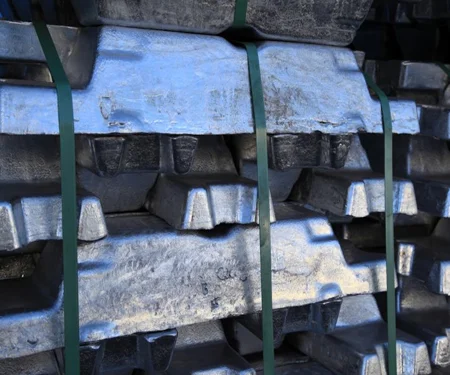
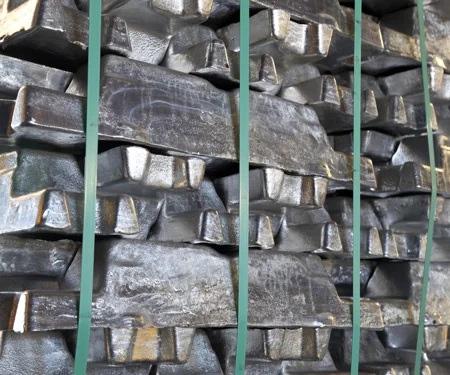
The smelter here has neither of them. There is no port and the 120,000 tonnes of ingots and billets the smelter produces annually are taken by trucks to a jetty 25km away in Balingian for the start of their journey to the peninsula, China, South Korea, Japan and Turkey.
At Balingian, they are loaded on barges for the 39 nautical mile journey to Bintulu port. From there, they are sent by ships to their destinations.
The transshipments between Balingian and Bintulu port are affected by rough seas in the monsoon season.
Similarly, alumina aloxide, the main raw material in the production of aluminium that are imported from Australia, would have to be unloaded at the Bintulu port and transported by trucks to the plant here.
Electricity for this power-guzzling plant is transmitted from the Bakun hydro-electric dam, with the plant consuming 200MW daily of the state's power generation of 1,000MW.
In contrast, Press Metal's Bintulu smelter is not only nearer to Bakun, but is a stone's throw away from the port that is being built there.
The Regional Corridors Development Authority, that manages and promotes the development of the Sarawak Corridor of Renewable Energy, where both the plants are located, in its briefing to the touring journalists, said a port is a must for the smelter.
The Bintulu smelter would have 300 reduction pots, housed in a 1.2km-long plant, compared with the 208 pots here. The plant here is only 750m long.
The plant here is Press Metal's first aluminium smelting facility in the country.
It commenced production in August 2009.
"We won't shut down, that's for sure," its plant manager here Dr Siew Eng Fui said during a Kembara 1Malaysia media tour of the plant, 38km from here, last week.
He admitted the location of the plant here was less than ideal, but said there should be no fears that production would be scaled back, or the plant shutting down, or operations being moved to Bintulu.
"Ideally, it should be located next to its power supply and a port."
The smelter here has neither of them. There is no port and the 120,000 tonnes of ingots and billets the smelter produces annually are taken by trucks to a jetty 25km away in Balingian for the start of their journey to the peninsula, China, South Korea, Japan and Turkey.
At Balingian, they are loaded on barges for the 39 nautical mile journey to Bintulu port. From there, they are sent by ships to their destinations.
The transshipments between Balingian and Bintulu port are affected by rough seas in the monsoon season.
Similarly, alumina aloxide, the main raw material in the production of aluminium that are imported from Australia, would have to be unloaded at the Bintulu port and transported by trucks to the plant here.
Electricity for this power-guzzling plant is transmitted from the Bakun hydro-electric dam, with the plant consuming 200MW daily of the state's power generation of 1,000MW.
In contrast, Press Metal's Bintulu smelter is not only nearer to Bakun, but is a stone's throw away from the port that is being built there.
The Regional Corridors Development Authority, that manages and promotes the development of the Sarawak Corridor of Renewable Energy, where both the plants are located, in its briefing to the touring journalists, said a port is a must for the smelter.
The Bintulu smelter would have 300 reduction pots, housed in a 1.2km-long plant, compared with the 208 pots here. The plant here is only 750m long.
The plant here is Press Metal's first aluminium smelting facility in the country.
It commenced production in August 2009.
Previous article
Tajikistan's aluminium output down by 4% in the first half of 2012
Next articleAluminium production in Japan continues to decline
Grow with
AL Circle