Potline turnaround: The shutdown is the easy part
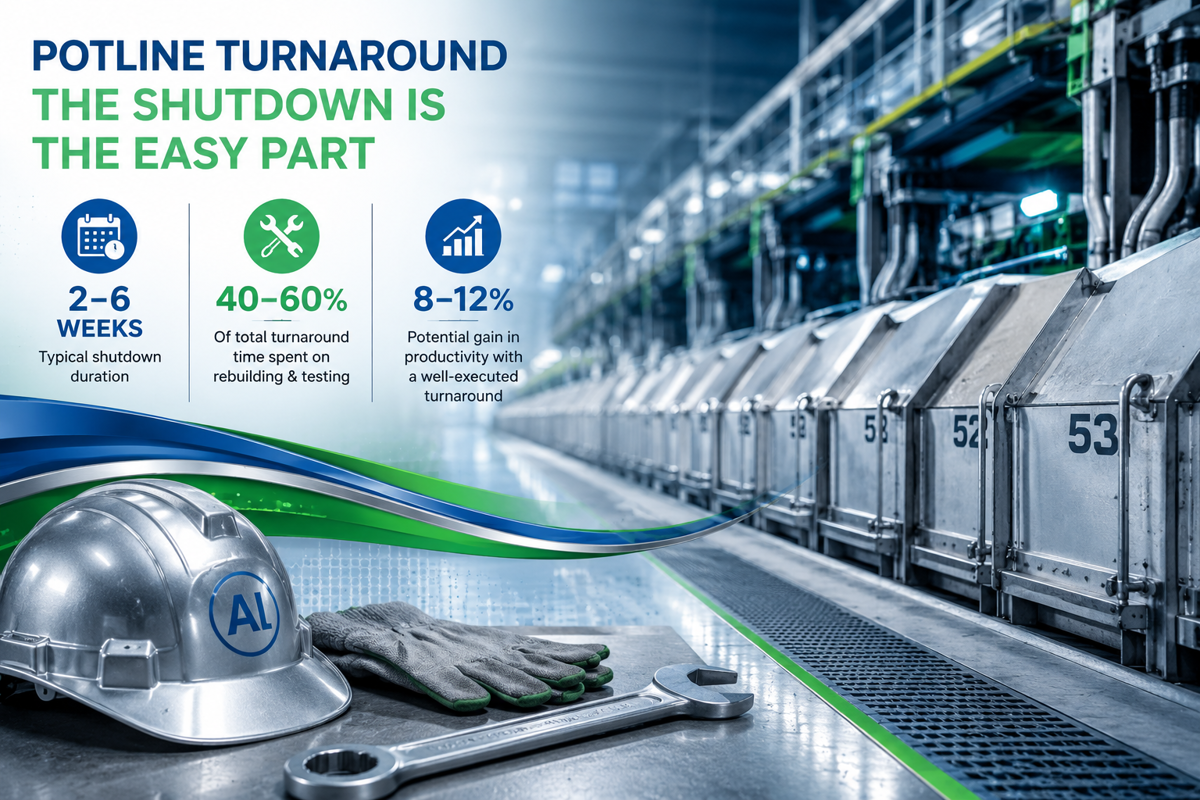
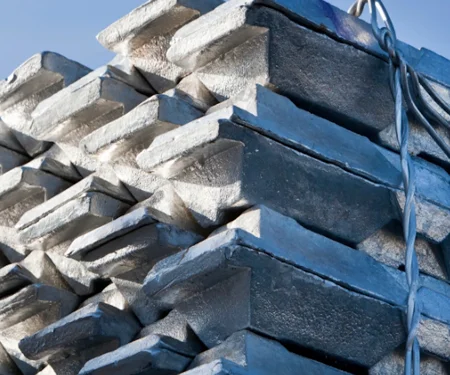
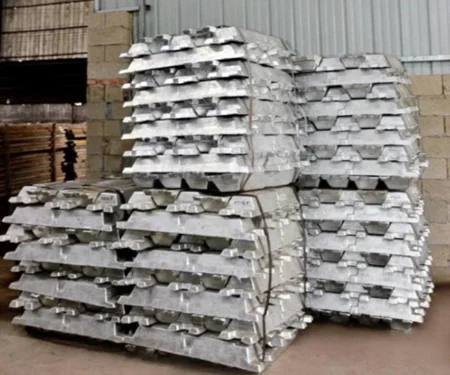
The image used in this article is generated with an AI tool and does not depict any real-time moment
The installed base of potlines is ageing, and the market is tight. LME aluminium touched a four-year high above USD 3,300 per tonne in early 2026, idle Western capacity is being studied for restart, and every controlled shutdown on the map is running under cost and schedule pressure. So teams plan these turnarounds around the outage: how many days the line is dark, how fast the relining crews move, when the last pot comes back on power.
That is the wrong thing to optimise.
The shutdown is the visible, biddable, schedulable part. It is also the easy part. The money is made or lost in the weeks and months after restart, on the ramp-up curve that most plans treat as an afterthought. I have seen turnarounds hit every outage milestone and still miss the year on production and on pot life. Here is what teams consistently underestimate.
A reline is a nine-figure bet, not a maintenance line.
Cathode relining runs roughly USD 100,000 to USD 300,000 per pot, and a potline holds 300 to 720 cells. Do the arithmetic and a full reline is a nine-figure programme. It also resets a cathode campaign that should run 1,500 to 3,000 days. You are not fixing a line. You are buying the next five to eight years of that asset's life. Price the turnaround as that bet, not as a maintenance shutdown, and the decisions change.
The ramp is longer than the shutdown, and it is arithmetic.
Relined pots are re-energised in series at a rate of one to two per day. A 300-pot line is therefore 150 to 300 days just to bring back on power, before a single cell runs at nameplate. On top of that, each pot comes back cold and unstable: bath chemistry, thermal balance, and cell voltage all have to settle before current efficiency climbs back toward the mid-90s. The outage is what the board sees. The ramp is the two quarters the P&L actually feels. If the restart curve is not modelled pot by pot, the plan is not finished.
Explore: The most comprehensive and forward-looking industry-focused report – Global Bauxite & Alumina Market Forecast to 2036: Supply–Demand, Trade Flows & Price Outlook
Start-up sets the next campaign, and the literature is blunt about it.
The three main causes of premature cell failure are well documented: relining, start-up, and early operation. Get the preheat wrong and you build thermal stress into the lining on the first day. That stress does not appear in the restart report. It appears as an early death 1,000 days short of a normal campaign. Uniform cathode heat-up is not a formality. Best practice runs a controlled preheat of roughly 60 to 80 hours, typically on a resistor-coke bed above 1,100°C, precisely to reach a high and even cathode temperature and avoid those stresses. The cheapest way to destroy value in a smelter is to save two weeks at start-up and lose a year of pot life.
The soft period is real. Plan for the dip, do not fight it.
After start-up, cells run in a soft, unstable window. Bath ratio drifts, alumina feeding is harder to control, anode effects rise, and current efficiency sits below target before it recovers. Push amperage and feed too hard and you get the failure mode Kubal saw when it re-energised a converted potline: bath shrinkage followed by random anode failures across the cells. Operators who understand the curve hold discipline through the dip, because they know the line pays it back. During ramp, the KPI is stability, not tonnes.
How many pots you restart at once is a power decision, not a production one.
Restart is an enormous energy event; primary aluminium runs near 14.8 MWh per tonne, and a restarting line pulls hard on the power system. Bring too many soft pots online together and you destabilise the whole section: voltage swings, heat imbalance, and a longer ramp for every pot, not a shorter one. The disciplined approach steps pots back on in controlled groups, holding each until it stabilises. It looks slower on the Gantt chart. It is faster to a stable line.

Even a perfect shutdown costs cathode life: An imperfect one costs the plant
There is no free thermal cycle. Even a controlled shutdown permanently reduces cathode life by 100 to 400 days against a 1,700-to-3,000-day normal. An uncontrolled freeze is a different category: restart timelines of six to twelve months and potline replacement costs around USD 100 million. This is why the restart methodology is the real asset. After its 2022 potline outage, ALBRAS built a cathode inspection-and-repair classification and cut the subsequent reline rate on properly repaired cells to about 10 per cent, against roughly 32 per cent on the cells left unrepaired. The discipline in how you classify, repair, and restart is worth more than the speed you restart.
The contractor interface breaks turnarounds the same way it breaks CapEx
I have argued before that smelter CapEx overruns come from the contractor interface, not the estimate. Turnarounds fail in the same seam. Relining crews, cathode and lining supply, potshell and busbar repair, and operations all hand off to each other under time pressure. The scope nobody owns — the gap between the relining contractor finishing and operations taking the pot — is where days leak and quality slips. On any turnaround, ask who owns that handoff and whether it is costed as scope or carried as hope. Vague answers mean the schedule is already at risk.
To learn about the autonomous furnace tending in aluminium cast houses from RIA Cast House Engineering, join the webinar Autonomous furnace tending in aluminium cast houses: Improving safety, productivity and yield
Safety is a schedule input, not an overhead line
A turnaround is the highest-risk window a smelter runs: molten metal, tapping, hot pots, crane work, and contractors who do not know the plant, all on a compressed timeline. The teams that get hurt are the ones treating HSE as a box to clear so the “real” work can proceed. I once ran a full rebuild of a casting and forging operation, 305 people through the turnaround, and closed it with zero LTI. That was not luck. It was building the safety plan into the schedule as a constraint, not bolting it on afterward. An injury does not only cost a person. It stops the line, and now your ramp curve is worse than if you had chosen to go slower.
What an owner should carry into a turnaround.
Price the reline as a five-to-eight-year bet, not a shutdown. Model the restart curve pot by pot, not as a single “back on power” milestone. Protect preheat and start-up from schedule pressure, because that is where campaign life is decided. Restart in controlled groups, not in a rush. Own the contractor handoff explicitly. Measure the turnaround on pot life and stability, not on the restart date. And treat safety as the constraint that protects the schedule, not the tax on it.
The outage is the part everyone can see, so it is the part everyone plans. The turnaround is won or lost in the months after the line comes back — on the curve nobody put on the Gantt chart.
Note: This is exclusive coverage by AL Circle and may not be reproduced, republished or shared without prior permission.
Disclaimer: The opinions, information, claims, references, and images presented here are those of the author alone and AL Circle holds no responsibility. - also use these two notes
Adani-IHC aluminium project to be powered by Adani’s 4,000 MW captive capacity
Next articleLME aluminium cash and three-month prices gain nearly 1%; opening stocks fall 0.5%
Grow with
AL Circle