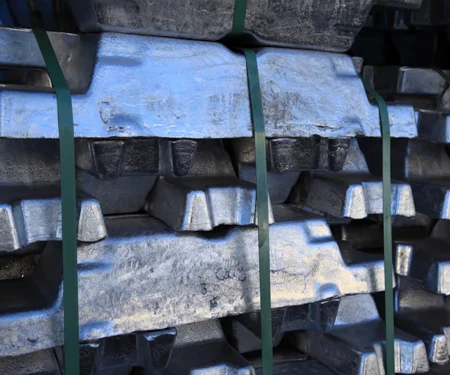
Potline and rolling mill uptime: The electrical layer behind the price
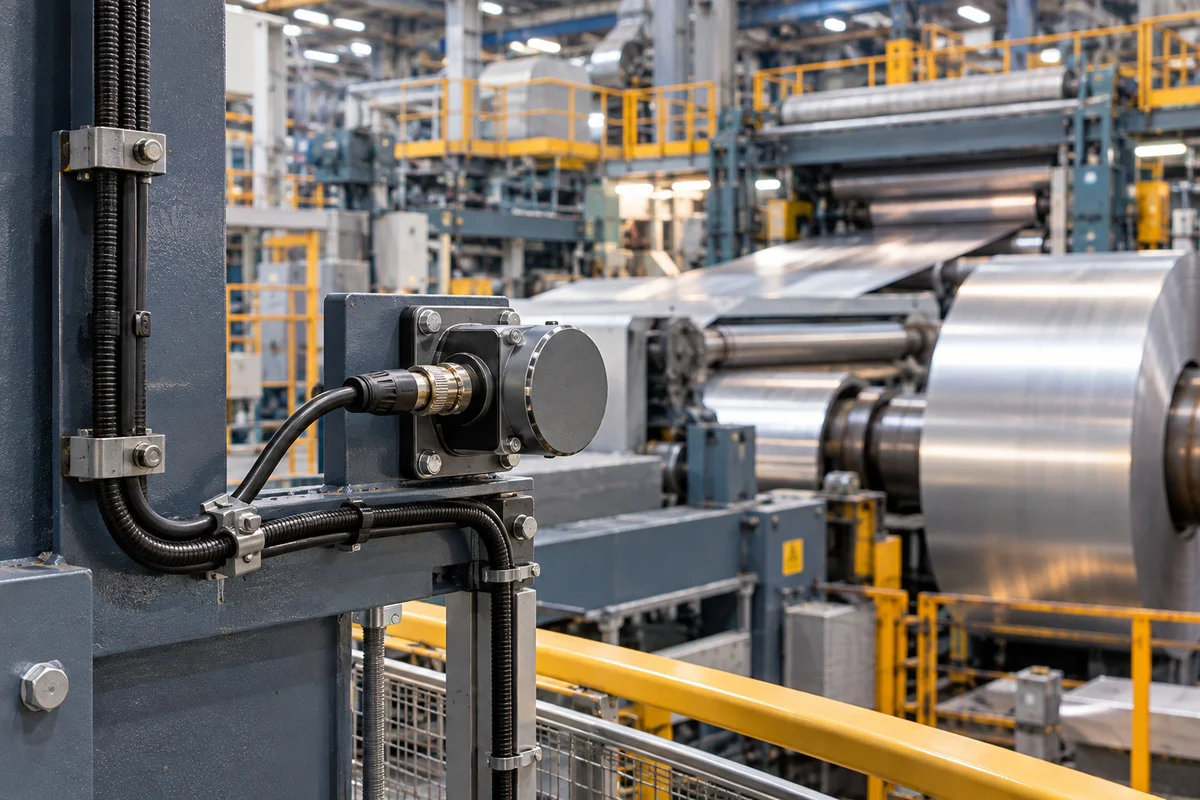
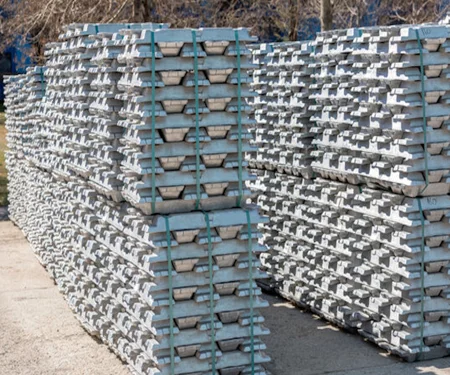
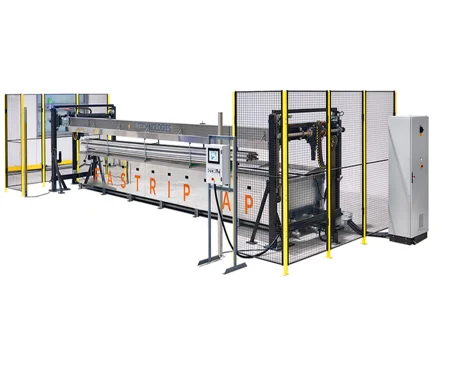
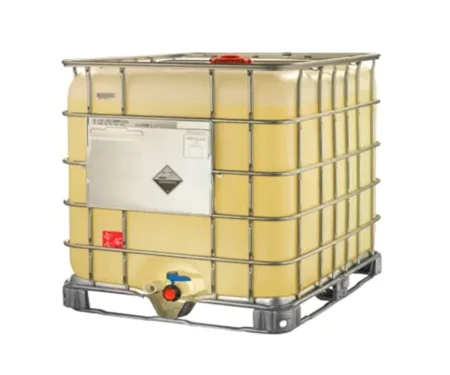
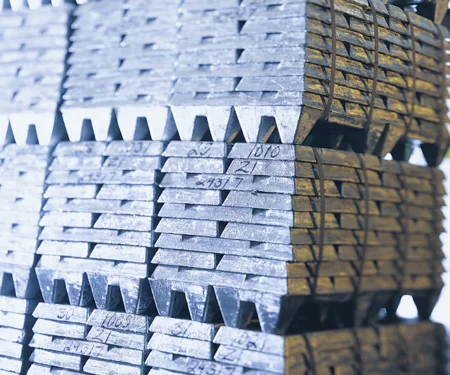
AI-generated editorial illustration; not an actual customer or plant installation.
A rolling-mill drive can trip even when its encoder passes a bench test. A refinery instrument can report erratic readings with no obvious process upset. Engineers may suspect the devices first, but the installed cables, mating interfaces and routing deserve the same scrutiny. Intermittent faults sometimes disappear the moment an assembly is touched.
That uncertainty has an economic cost: investigation consumes maintenance time, and a missed control signal may delay equipment availability. This article concerns sensor, instrumentation, encoder, fieldbus and appropriately rated low-power auxiliary interfaces, typically carrying signals or modest loads—not power feeders. Main motor circuits, plant distribution, rectifier outputs and potline busbars are outside its scope. No connector type is suitable on geometry alone; its voltage, current and operating conditions must be verified.
Process-specific electrical environments
Primary smelters use Hall–Héroult electrolysis supplied by rectifier stations and high-current DC busbars. Small field interfaces instead serve position sensors, local monitoring and pot-tending or anode-handling equipment. The exposure at a pot-hood instrument may include fluoride-bearing dust; another instrument may be sheltered. Neither bath temperature nor electrolysis current defines the duty at a nearby cable termination.
Bayer alumina refining uses sodium-hydroxide liquor. A transmitter fitted to a pump skid, however, may encounter cleaning fluids and condensation rather than direct process contact. Specify the chemistry that actually reaches its seals and cable jacket.
In rolling mills, speed feedback, strip-thickness gauges and hydraulic position measurements support the control system. Some aluminium mills use automatic gauge control (AGC) with measured thickness fed back to roll-gap control; architecture varies by line. An encoder cable near moving equipment has a different mechanical duty from fixed wiring on a cooling-system sensor. Hot and cold mills cannot share one generic environmental specification. At the gauge head, access for calibration and replacement can matter as much as the seal selected.
Explore the production, demand and consumption forecasts of bauxite and alumina in our report: "Global Bauxite & Alumina Market Forecast to 2036: Supply–Demand, Trade Flows & Price Outlook"
Fault propagation and evidence
A missing position signal might stop an auxiliary sequence, trigger an alarm or leave only a diagnostic entry. The outcome depends on redundancy and controller logic. Incomplete mating, an unsound crimp, damaged conductors or moisture at a termination can disturb a circuit. Increased contact or termination resistance adds I²R heating when current flows; poor shield continuity can reduce noise immunity. None of these observations alone identifies the root cause of a drive trip. Logged fault codes should be matched with the machine state rather than read as proof of a defective connector.
Capture evidence before disturbing the assembly: event logs, trended signal values, operating state and photographs of coupling and routing. Qualified staff should then follow the plant's permit and lockout/tagout procedures, verify isolation and only afterwards open connections for inspection and appropriate tests. A connector that tests normally after de-mating does not invalidate an earlier intermittent fault. Check competing causes, including sensor electronics, supply, configuration and communications, without applying unsuitable test voltages to connected equipment. After correction, verify operation under the original fault conditions and monitor it before closing the job.
Ingress, chemistry and actual temperature
IEC 60529 defines IP classifications for enclosure protection under specified conditions. The declared rating applies to the manufacturer's tested mated or closed configuration; an opened or unmated interface should not be assumed equally protected. IP68 test conditions must be checked for the specific product. An IP code does not establish resistance to caustic liquor, fluoride deposits, lubricants, cleaning agents, UV or vibration.
Record chemical identity, concentration, exposure duration and temperature. Review the assembled housing, elastomer seals, contacts, cable jacket and overmould together. A cable compatible with one rolling lubricant may fail in another; discoloration or swelling does not establish an ingress route. Maintenance exposure matters too: a disconnected interface near washdown needs its own protection plan. Compare sealing materials and mating-metal combinations with the actual chemistry instead of relying on generic polymer or plating descriptions.
Use measured local temperature, not process-vessel temperature, for qualification. Loaded-contact count, conductor size, termination resistance and ambient conditions affect heating. IEC 60512-5-1 and IEC 60512-5-2 provide temperature-rise and current-temperature derating test methods [5, 6]; request relevant assembly evidence rather than relying on an isolated catalogue current figure.
Cable mechanics and EMC near drives
An unsupported cable imposes mechanical force on its rear termination. Tight clamping near a moving machine member concentrates bending, while vibration stresses strands and contacts. Determine whether an assembly is stationary, vibrating or repeatedly flexing; apply the cable maker's bend and strain-relief instructions. Check coupling security without assuming that a connector's nominal vibration test qualifies the installed cable route.
Variable-speed drives complicate signal integrity. Assess separation, routing, shielding continuity and equipotential bonding across the complete circuit. Shield termination depends on system architecture and frequency; neither universal single-end nor double-end grounding advice is defensible. Replacing a connector will not correct poor bonding or a cable placed alongside an unsuitable power route.
How faults get misdiagnosed
Representative engineering scenarios, not documented customer cases.
On a rolling mill, an encoder alarm appears during movement. A tightly restrained cable deserves inspection, but rerouting is justified only after signal evidence and mechanical checks support it. Verify the repair over the machine's approved movement cycle.
At a smelter anode-handling auxiliary, position feedback becomes intermittent. Logs and routing photographs precede isolation; continuity checks may implicate a cable, but the sensor and input module remain alternative causes.
On a refinery instrument skid, a seal deteriorates and the jacket discolours. Those observations do not prove caustic attack. Compare material data with cleaning records and inspect the termination before deciding what failed.
Specification decisions that survive maintenance
Begin with circuit function, electrical ratings, pinout, signal bandwidth and mating counterpart. Record the exact installation zone: potroom position feedback and dust exposure, refinery pump-skid washdown, or mill AGC gauge and encoder wiring. Define whether the cable moves, how it is supported, where it can be isolated, and which spare drawing revision applies. For replacement, record orientation, identification, length and approved routing. Set acceptance criteria before ordering: stable feedback traces, documented assembly inspection and coupling checks, and successful post-installation verification under the relevant movement or process condition.
Request evidence matched to the risk: mated ingress performance, material compatibility, derating and vibration data, with installed-assembly checks where warranted. For proposed load disconnection, verify explicit breaking-capacity suitability, using IEC 61984 where applicable, and follow site isolation rules; do not assume ordinary connectors are load-break devices. In a classified hazardous area, independently verify required explosion-protection approval and equipment protection level. Safety-related changes require authorised engineering review.
Aluminium prices are set well beyond the connector cabinet. At plant level, however, a disputed feedback signal has a practical cost: technicians spend time identifying whether the fault lies in the instrument, wiring or machine controls. Reliable operation starts with a defensible interface specification, installation evidence and a replacement procedure that can be repeated during maintenance.
Note: This article has been written by Dennis Chiang, Founder / Technical Engineer Teyconn and has been published by AL Circle with its original information without any modifications or edits to the core subject/data.
Grow with
AL Circle