Oman eyes green aluminium expansion with new projects in Duqm SEZ

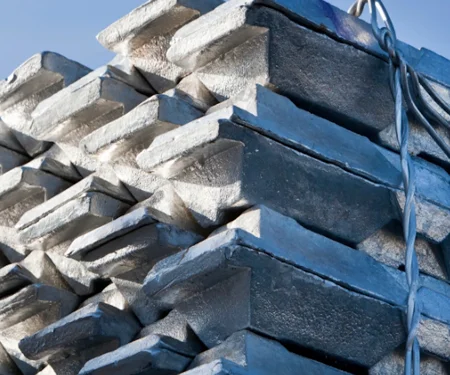
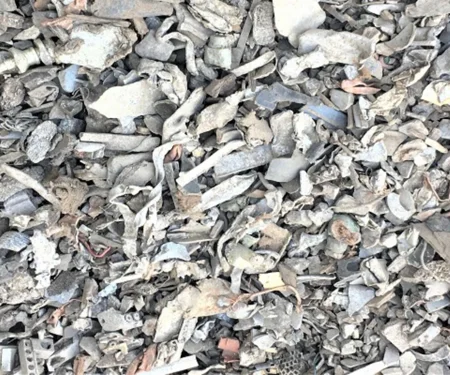
Stock image for referential purposes only
中文翻译附于新闻末尾,敬请继续阅读。
Oman, a notable player in the Middle Eastern aluminium industry, is planning to establish three low-carbon aluminium projects at the Special Economic Zone at Duqm (SEZAD). It is a strategic stance to boost sustainability by moving beyond the conventional iron and steel bases and diversifying its green aluminium industrial sector.
Explore- Most accurate data to drive business decisions with Global ALuminium Industry Outlook 2026 across the value chain
The Public Authority for Special Economic Zones and Free Zones (OPAZ) has announced in its latest update about three major aluminium ventures that, at present, are in early-stage development. All three of these are centred on utilising green hydrogen and other low-emission energy sources expected to be available in the region from around 2030.
Among the proposed developments, the most prominent is an aluminium smelter with a 530 thousand tonnes annual production capacity, backed by CMOC Group Limited.
The project, estimated at OMR 2.4 billion, will incorporate low-carbon technologies and include downstream capabilities, targeting the production of an additional 620 thousand tonnes per annum of aluminium billets and pre-cast slabs. The integrated setup reflects a focus on value-added production.
Two more initiatives are being explored in collaboration with regional partners. These are the Geely Green Aluminium Project and the Pearl Green Iron and Aluminium Project. The projects are in line with SEZAD’s broader vision of becoming a hub for sustainable metals manufacturing, supported by Oman’s growing investments in renewable energy and hydrogen infrastructure.
Don't miss out- Buyers are looking for your products on our B2B platform
The development of green aluminium capacity is in parallel with the long-term hydrogen strategy of Oman, which aims to power energy-intensive industries with low-carbon inputs.
SEZAD is striving to emerge as a meeting point for energy production and industrial activity, contributing to operational cost reduction while attracting global investors focused on sustainability.
Oman’s goals extend beyond aluminium. The country is targeting annual steel production of around 30 million tonnes by 2050, backed by projects, such as the Jindal Steel Duqm development, which is in the pipeline and the Meranti Green Steel project.
With aluminium projects now joining its green metals initiatives, Duqm SEZ is reinforcing Duqm’s positioning as a low-carbon, green metals production centre.
阿曼依托杜库姆经济特区新项目谋划绿色铝产业扩产
作为中东铝业领域的重要参与者,阿曼正计划在杜库姆特别经济区(SEZAD)布局三大低碳铝项目。此举是该国推动可持续发展的战略布局,旨在跳出传统钢铁产业基础,实现绿色铝工业多元化发展。
阿曼公共经济特区和自由区管理局(OPAZ)在最新公告中透露,上述三大铝业重点项目目前均处于前期筹备阶段。项目均以绿氢及其他低碳能源为核心支撑,相关能源预计自2030年前后在当地实现稳定供应。
在规划项目中,最受瞩目的是由洛钼集团(CMOC)投资建设的年产53万吨铝冶炼厂。该项目总投资额约24亿阿曼里亚尔,将全面采用低碳技术,并配套建设下游加工产能,目标年增62万吨铝棒与预制铸锭产能,打造一体化高附加值生产体系。
此外,阿曼正与区域合作伙伴推进另外两项计划,分别为吉利绿色铝项目与珍珠绿色铁铝项目。上述项目契合杜库姆经济特区打造可持续金属制造中心的整体愿景,依托阿曼在可再生能源与氢能基础设施领域的持续投入落地推进。
此次绿色铝产能建设,与阿曼国家氢能长期战略同步推进,旨在以低碳原料支撑高耗能工业发展。杜库姆经济特区正致力于打造能源生产与工业活动融合枢纽,在降低运营成本的同时,吸引全球可持续发展领域投资者。
阿曼的布局不止于铝产业。该国计划到2050年实现年产约3000万吨钢材,金达尔杜库姆钢铁项目、梅兰蒂绿色钢铁项目等均在推进中。
随着铝项目加入绿色金属产业矩阵,杜库姆经济特区正进一步巩固当地低碳绿色金属生产中心的定位。
Must read: Key industry individuals share their thoughts on the trending topics

Hydro reduces shipping emissions by 35% on major aluminium routes
Next articleThe geography of ‘green’ aluminium: Why location trumps technology
Grow with
AL Circle