Odisha, India attracts $7.4 billion in renewable energy investments
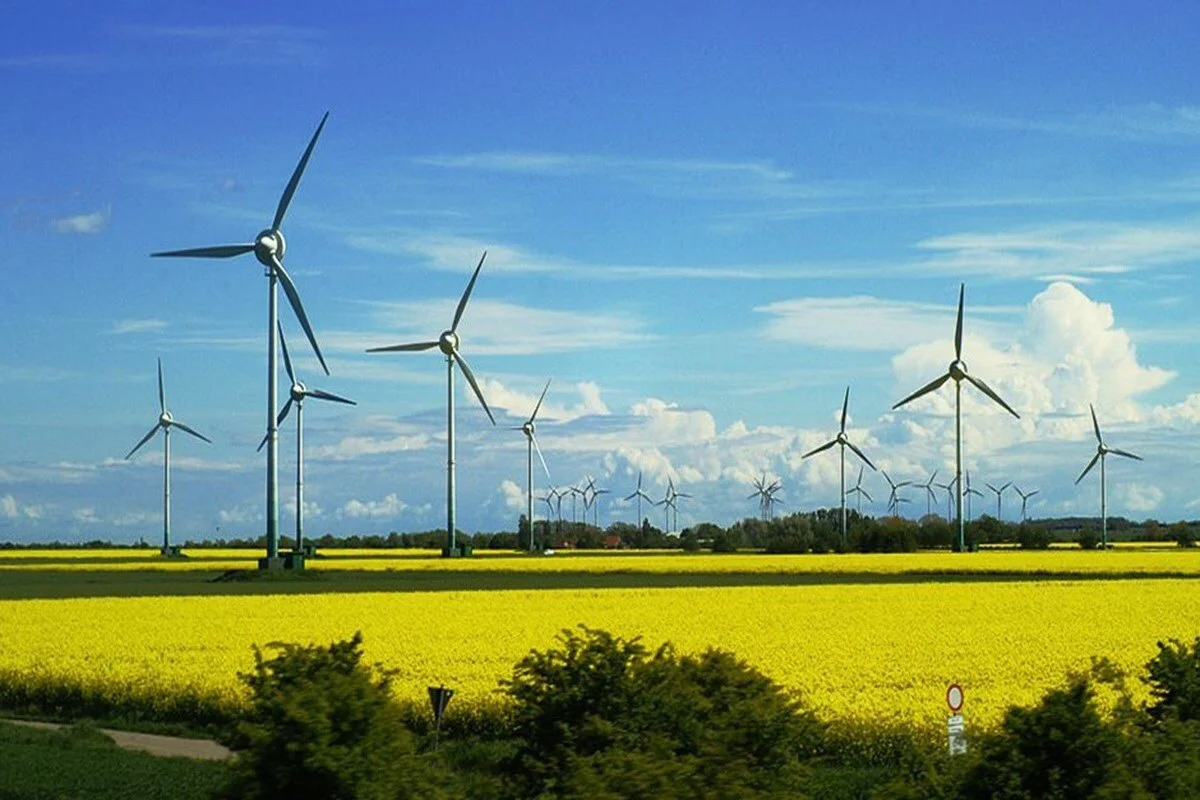
Odisha has drawn renewable energy investment commitments of INR 670,000 million (USD 7.4 billion) for the development of 6.8 gigawatts (GW), announced on the opening day of the third edition of the Odisha Renewable Energy Investor Conclave.
To learn about the global aluminium outlook, download our report: Global Aluminium Industry Outlook 2026
The agreement brings a mix of renewable energy, especially wind and solar developments, simultaneously with hybrid and storage-backed systems. It is aligned with Odisha’s ambition to strengthen its position within India’s evolving renewable energy landscape.
This is one of the several major agreements signed during the event, which was inaugurated by Deputy Chief Minister and Energy Minister KV Singh Deo. The state’s power trading company, GRIDCO, entered into memoranda of understanding with ABC Cleantech Private Limited and Axis Energy Ventures India Private Limited for building 5,000 MW of planned renewable capacity, with an estimated investment value of INR 477,500 million ( USD 5.3 billion).
The planned developments extend across several technologies. In addition to conventional solar and wind installations, proposals include agro-voltaic systems, hybrid wind–solar facilities integrated with battery energy storage systems (BESS), and projects linked to green hydrogen production and associated derivatives.
Pumped storage and public sector participation
Energy storage infrastructure formed a key component of the investment pipeline. GRIDCO formalised an agreement with National Hydroelectric Power Corporation to establish the 1,000 MW Masintha pumped storage facility, a project expected to require INR 60,360 million (USD 670 million) in funding.
A separate arrangement was concluded with North Eastern Electric Power Corporation Limited for the development of the 800 MW Dandadhar pumped storage project, backed by an investment of INR 40,000 million ( USD 444 million).
Meanwhile, Bharat Petroleum Corporation Limited is also committed to expanding renewable capacity through a 500 MW project in partnership with GRIDCO, representing an additional INR 30,000 million ( USD 333 million) in investment.
Beyond these formal agreements, officials confirmed that private developers expressed preliminary interest in further projects valued at more than INR 60,000 million (USD 667 million) during the first day of the two-day gathering.
Policy push and resource assessment initiatives
Addressing participants, Singh Deo said Odisha was steadily strengthening its standing in the national renewable energy sector and contributing to India’s wider goal of reaching 500 GW of non-fossil fuel capacity by 2030.
The conclave also marked the launch of Odisha’s first dedicated wind resource assessment programme, designed to evaluate the state’s wind generation potential. In addition, the Deputy Chief Minister introduced a city accelerator initiative covering six urban centres under the PM Surya Ghar Muft Bijli Yojana, which aims to promote rooftop solar adoption.
According to Singh Deo, the geographical and regulatory advantages have made Odisha quite interesting for investors. The Odisha coastline itself offers quite favourable conditions for wind energy development, while solar and small hydro resources add further scope for expansion. He has underlined the state’s potential in terms of storage as well as its policy framework, describing its regulatory environment and project approval systems as supportive of large-scale renewable deployment.
Long term targets and institutional support
According to Vishal Kumar Dev, Additional Chief Secretary in the Energy Department, fossil fuels currently account for around 54 per cent of Odisha’s energy mix, with renewables contributing the remaining 46 per cent. The state intends to increase renewable generation capacity to approximately 11 GW by 2030.
Looking further ahead, Odisha has set a long-term objective of sourcing 74 per cent of its energy requirements from renewable sources by 2047.
GRIDCO Managing Director Satyapriya Rath said the agency expects to attract proposals covering close to 10 GW of renewable capacity over the course of the conclave. He added that, through its Renewable Energy Nodal Agency (RENA) Cell, GRIDCO is overseeing project implementation from initial planning through to commissioning, while ensuring transparent procurement procedures, reliable power offtake arrangements and timely tendering processes.
The scale and diversity of the commitments secured at the conclave reflect Odisha’s growing prominence as an investment destination in India’s renewable energy sector, with both public and private players positioning themselves to support the state’s transition towards a lower-carbon energy system.
To explore aluminium selling and buying leads, visit our B2B marketplace platform

India posts record power capacity expansion with renewables leading the process
Next articleArgentine Ambassador Mariano Augustín Caucino highlights critical minerals in India-Argentina “strategic partnership”
Grow with
AL Circle