India posts record power capacity expansion with renewables leading the process
India has expanded its electricity generation base by more than 50,000 megawatts (MW) during the current financial year, setting a new annual benchmark for capacity growth. According to figures released on Sunday by the Union Ministry of Power, the country added 52,537 MW of generation capacity across all energy sources between April and January 31.
This increase represents an expansion of over 11 per cent compared with the total installed capacity recorded at the close of the previous financial year. Officials described this as a significant development, mentioning that the energy generation this time exceeds the earlier high of 34,054 MW achieved in FY 2024–25.
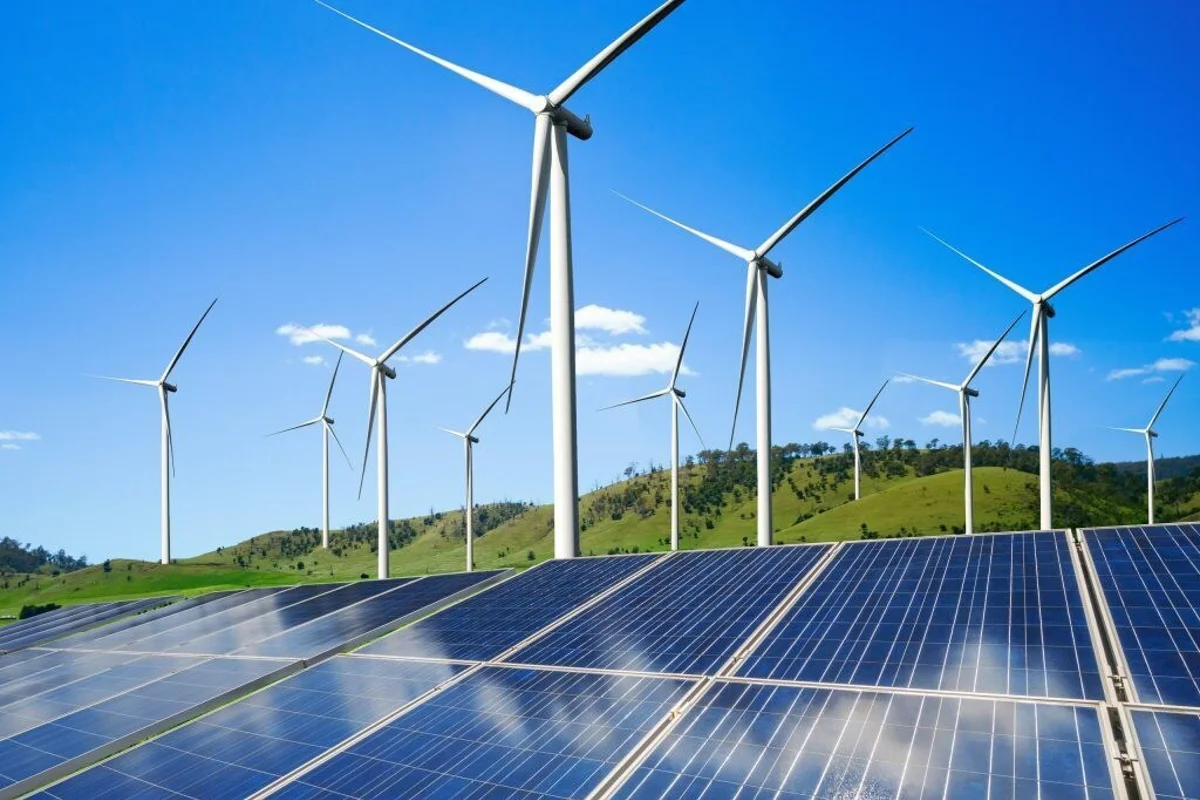
Renewable energy accounted for the bulk of the newly installed capacity. Of the 52,537 MW added this year, 39,657 MW came from renewable sources. Solar energy accounts for the majority of this segment, contributing about 34,955 MW, while wind installations added a further 4,613 MW.
To learn about the global aluminium outlook, download our report: Global Aluminium Industry Outlook 2026
As of January 31, India’s total installed power generation capacity stood at 520,510.95 MW. Fossil fuel-based power generation continues to form a substantial portion of the energy mix, accounting for approximately 248,541.62 MW, or approximately 48 per cent of overall capacity.
Renewables, however, have now edged slightly ahead in proportional terms. Combined renewable capacity reached 263,189.33 MW, representing approximately 50.5 per cent of the national total. Nuclear energy is a significantly lower component, comprising only 1.6 per cent, contributing 8,780 MW.
To explore aluminium selling and buying leads, visit our B2B marketplace platform
The latest figures underline the pace at which India is scaling up its power infrastructure, with renewable sources playing an increasingly central role in meeting the country’s rising electricity demand while reshaping its long term energy profile.

CME Group plans first Rare Earth Futures Contract to reduce western dependence on China
Next articleOdisha, India attracts $7.4 billion in renewable energy investments
Grow with
AL Circle