www.novelis.com
Novelis publishes Third Annual Sustainability Report
Edited by : AL CIRCLE
3 min read
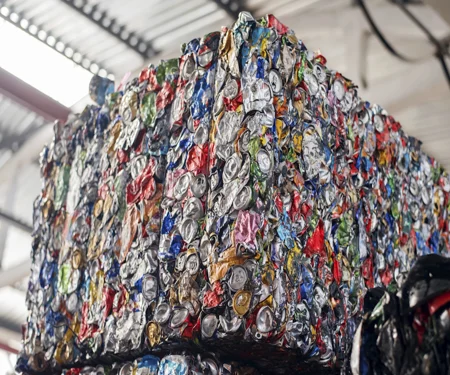
Novelis, the world leader in aluminum rolling and recycling, today announced significant progress in its commitment toward reducing its carbon footprint and delivering on key measures of sustainable business performance. The company published "Sustainability Through Disruptive Innovation," the company's third annual sustainability report, which details recent milestones including an increase in the recycled content of its products from 33 percent to 43 percent in the first two years since announcing its ambitious target to achieve 80 percent recycled content by 2020. Novelis also became the world's largest recycler of aluminum this year as it continues to expand its recycling capacity around the world.
"Our intent when we established our sustainability targets two years ago was to transcend the incremental approach by radically transforming our company – and, in the process, lead the way in our industry," said Phil Martens, Novelis President and Chief Executive Officer. "This approach is driving changes in the way we source inputs, structure our supply chain, make capital investments, develop our products and engage with our customers. We are still in the early stages of our sustainability journey, with many hurdles yet to overcome, but our efforts are already beginning to bear fruit. I am more firmly convinced than ever that our commitment to sustainability will be the key value driver for our company going forward."
"I have come to the firm conclusion that leaders at Novelis are transformers who are willing and able to stake out a new direction for their company — one that will disrupt current industry structure and leapfrog toward a more sustainable world," said Stuart Hart, S.C. Johnson Chair in Sustainable Global Enterprise, Cornell University, and a member of the Novelis Sustainability Council.
In the last year, the company's sustainability strategy drove the development of evercan, the world's first independently certified, high-recycled content aluminum beverage can sheet. The product is a packaging breakthrough that delivers sustainability benefits to customers and end consumers.
The company also continues to make significant progress in its long-term recycling objectives and the path to 50 percent recycled inputs by 2015 is clear. This progress is enabled by investments of close to $500 million to nearly double the company's recycling capacity by mid-decade. Novelis began operations last year at a new recycling facility in Yeongju, South Korea, the largest fully integrated beverage can recycling system in Asia, and broke ground on a plant in Nachterstedt, Germany, which will be the largest aluminum recycling facility in the world when complete in 2014.
This year's report was prepared according to the Global Reporting Initiative (GRI) guidelines?? and checked at application level A. GRI is the world's most widely used framework for sustainability reporting.
Previous article
Toyota Zambia donates aluminium scrap to CRE
Next articleAluminum can continues sustainability leadership as most recycled beverage container
Grow with
AL Circle