Nova Scotia ventilator project: A vital breakthrough attained for COVID-19 medication
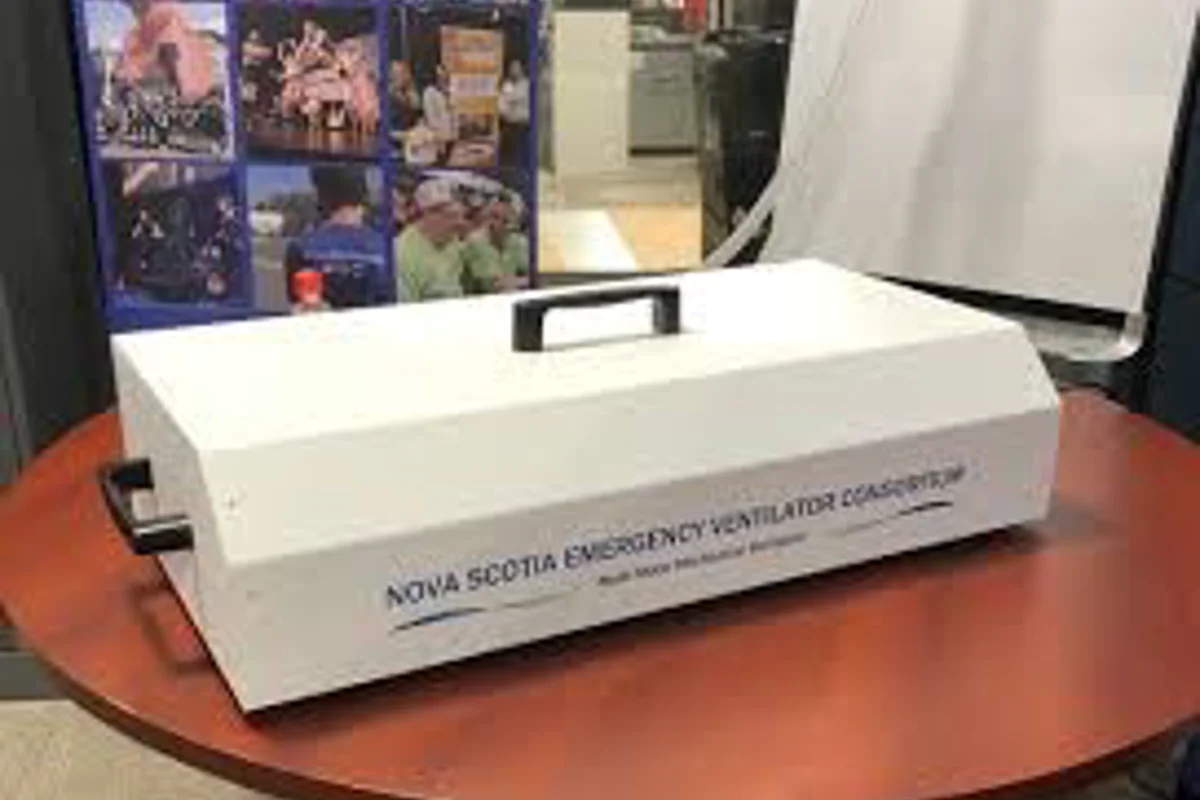
Nova Scotia Ventilator Consortium initiated the project more than two months ago to support any vacuum for a breathing apparatus the COVID-19 pandemic might create. The ventilator is now ready if a second wave of the pandemic impacts the province in the fall.
A thoroughly functional mechanical ventilator is anticipated to be submitted to Health Canada for certification and approval in the forthcoming days, marking the latest breakthrough for the Nova Scotia group that created it from scratch if their requirement that might arise from provincial hospitals.
Doug Milburn, Vice-President of Protocase, is a member of the consortium that also consists of Dr Chris Milburn, respiratory technician Bruce Morrison, Halifax Company Enginuity Inc., Advanced Glazings, Nova Scotia Power Makerspace, Cape Breton University and 45 Drives.
Milburn said: “With this project, we are now at a point where we have a ventilator that is slick, much smaller, and the parts count is way down, which will up its reliability. It’s just good all around.”
Milburn also said: “The group had all the skills needed to create the device. We had science and testing, we had controls and software development, and we had mechanical design and prototyping, and, of course, manufacturing. We had all the pieces we needed.”
The group came united following the province called for Nova Scotia solutions for the problems that the pandemic might create, incorporating a potential shortage of breathing ventilators in hospitals.
The Nova Scotia ventilator is mostly made from readily available aluminium and other components that the consortium created. Any parts that must be brought in are from the industrial supply chain, not the tapped out medical one.

The features of ventilators include synchronized breathing, pressure sensors, computer controls and fail-safes such as alarms to alert hospital staff for issues.
“Everyone was doing something that will benefit the province and probably go farther than that. They did this in an amazingly small amount of time and had a great outcome for it. It’s a real point of pride for everybody.”
Milburn said: “A great deal of work has also been happening behind the scenes to get the application to Health Canada and the U.S. Food and Drug Administration ready for submission by today.”
The process could mean some sort of response from the government agencies within a week. Once final approval is obtained, the consortium will be able to create about 10 ventilators per day, if required.
Ball partners with Acosta to launch the Ball aluminium cup in retail and on-premise outlets
Next articleNigeria’s aluminium foil importation market transforming to a multi-million dollar industry during 2017-20
Grow with
AL Circle