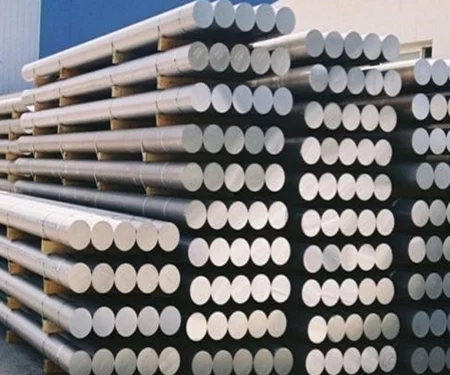
Norsk Hydro posts record results for Q2 2021, confers credit to continued positive market sentiment
The Norwegian Aluminium company and renewable energy company and also one of the largest aluminium companies worldwide, Norsk Hydro ASA posted Q2 2021 adjusted EBITDA of NOK 6,598 million, up from NOK 2,794 million in the same quarter previous year. The continued global economic recovery is supporting increased demand for aluminium and aluminium products. Hydro Aluminium Metal and Hydro Extrusions business areas reported record quarterly results.
The rise in all-metal prices and volumes in aluminium metal, improved margins and volumes in Extrusions and better results from Hydro Energy contributed positively to adjusted EBITDA. These positive elements were partly offset by higher raw material costs upstream and negative currency effects.
The Q2 reflected a continuation of the global recovery which began in late 2020. The global economic outlook continues to improve, supported by progress on vaccination and fewer new cases of Covid-19. As a result, global demand for aluminium increased, and the primary aluminium market for 2021 is expected to remain largely balanced.
Hilde Merete Aasheim, President and CEO, said: “The continued strong market sentiment and our strong performance are contributing to the record results in the quarter. Our target to deliver return on capital above 10% over the cycle is progressing well and our improvement program is running ahead of plan. In addition, we are actively positioning our products in the market, lifting our capacity to meet the increasing demand for low-carbon products in line with our 2025 strategy to improve profitability and sustainability.”
Hydro pursues to address the effects of the Covid-19 pandemic, both in terms of safety for its people and the communities where it operates. Hydro’s operations have been operating largely as normal in Q2.
The London Metal Exchange cash price for aluminium traded at its highest level in close to a decade during the quarter and the strong demand dynamics have also lifted premiums. These factors have supported the record high result in Aluminium Metal of NOK 2,807 million in adjusted EBITDA.
During Q2 Hydro also completed the ramp-up of the aluminium plant in Husnes, Norway. The plant is now producing with a full capacity of 195,000 tonnes for the first time since the partial curtailment in 2009.
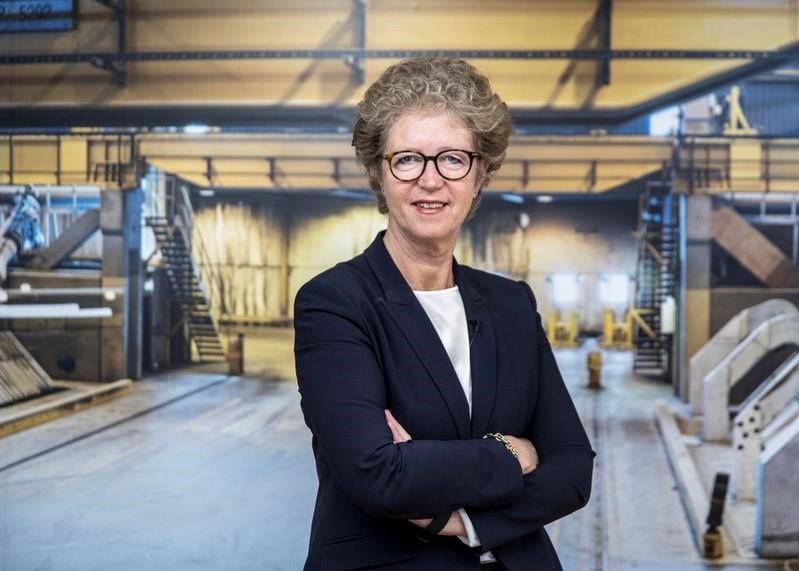
“Restarting one of the two production lines at our Husnes smelter in Norway brings another 100,000 tonnes of low-carbon primary aluminium to the market every year. This is in line with the EU’s Fit for 55 agenda, where European aluminium industry contributes to lowering emissions from industrial production, while aluminium also plays an important role to reduce emissions in its use phase,” says Aasheim.
Hydro Extrusions achieved record results in Q2, surpassing the previous record set in the first quarter of 2021. The results were navigated by strong volume growth, improved margins, and continued cost savings from improvement program initiatives. The quarter saw sustained momentum in automotive in Europe and solid growth in the industrial segment and residential building & construction. To further improve performance and cash generation in Extrusions, investment decisions have been made to invest in new press capacity in Cressona, U.S. and Nenzing, Austria. The investments will improve performance and increase capacity by around 30,000 kt and grow volumes in attractive segments, including automotive and transportation, engineering and building & construction.
The robust performance in Extrusions is the main driver for being ahead of the 2025 improvement program target of NOK 7.4 billion, where NOK 5.1 billion is targeted by the end of 2021, compared to the baseline of 2018.
Hydro has set out a clear strategic direction toward 2025 and aims to strengthen its position in low-carbon aluminium while exploring growth opportunities in new energy. On 5th March 2021, Hydro entered into an agreement to sell its Rolling business to KPS Capital Partners, and the sale was completed on 1st June 2021. The total enterprise value for Rolling, including the Bonn, Germany, property sold to Cube Real Estate, was EUR 1,407 million. The sale strengthens Hydro’s ability to deliver on its strategic direction.
Sustainability is one of Hydro’s competitive advantages and a key enabler for successfully delivering on the 2025 strategy. During the second quarter, Hydro Bauxite & Alumina received the license to operate its advanced bauxite residue deposit DRS2, which will reduce the required storage area for bauxite tailings. In addition, Bauxite & Alumina signed an agreement with the University of São Paulo to research more sustainable alternatives for bauxite waste in civil construction.
“Circular economy and increased recycling are key elements in the transition towards a low-carbon economy. Our strategy is to double the recycling of post-consumer aluminium by 2025, and we have announced several key investments this quarter. To further reduce emissions from our operations and leveraging our unique position in the energy value chain, we are continuing to grow Hydro REIN and our Hydrogen company, adding new projects to their portfolios while preparing for their process to raise capital,” says Aasheim.
During the quarter, Aluminium Metal signed a letter of intent with Midwest Energy and Communications to build an aluminium recycling plant in Michigan, U.S. The facility is projected to produce 120,000 tonnes of aluminium per year from 2023 and marks the first large-scale production of low-carbon Hydro CIRCAL in North America. In addition, investment decisions to increase recycling capacity by a total of 65,000 tonnes have been made at our operations in Sjunnen in Sweden, Navarra in Spain, and Rackwitz in Germany.
Hydro has also explored growth opportunities and partnerships in new energy during the quarter. Hydro’s dedicated company for renewables development, Hydro REIN, and Swedish wind developer Eolus agreed to acquire Stor-Skälsjön, a licensed wind power project in Sweden totalling 260 MW. Hydro REIN, along with Equinor and RWE Renewables, has also signed a collaboration agreement to prepare and submit an application to develop a large-scale fixed-bottom offshore wind farm in the Norwegian North Sea.
Hydro sees substantial potential for industrial hydrogen consumption, which will help reduce our CO2 emissions. In the second quarter, Hydro’s newly established Hydrogen Company signed a Memorandum of Understanding with Everfuel. The two companies will use the capacity in future Hydro-owned or jointly owned hydrogen production facilities to supply the maritime sector, industry and the green mobility market in Europe with renewable hydrogen.
Hydro’s strong shareholder focus and commitment to paying a predictable dividend continue in 2021. Hydro’s Board of Directors’ proposal to pay a dividend of NOK 1.25 per share for 2020 was approved at the Annual General Meeting and paid to shareholders on 19th May 2021, amounting to 95% of adjusted net income. Hydro’s dividend policy remains to pay out a minimum of 50% of adjusted net income over the cycle with a NOK 1.25 per share dividend floor. The policy, which was updated in 2021, reflects Hydro’s ambition to lift performance and cash returns for shareholders.
Compared to the first quarter of 2021, Hydro’s adjusted EBITDA increased from NOK 5,182 million to NOK 6,598 million in Q2 2021. Higher all-in metal prices in Aluminium Metal, higher results in Metal Markets, and higher margins and volumes in Extrusions contributed to the improvement. This improvement was partly offset by higher raw material costs upstream, lower realized alumina prices, and lower energy production.

Adjusted EBITDA for the first half of 2021 increased, compared to the same period last year. Higher all-in metal prices and volumes in Aluminium Metal improved margins and volumes in Extrusions, and better results from Energy contributed positively to adjusted EBITDA. These positive elements were partly offset by higher raw material costs upstream and negative currency effects.
Net income from continuing operations amounted to NOK 2,397 million in the second quarter. In addition to the factors described above, Net income from continuing operations included a net foreign exchange gain of NOK 550 million and a NOK 1,646 million unrealized loss on LME-related contracts.
Hydro's net debt position decreased from NOK 8.3 billion to NOK 3.6 billion at the end of the quarter. Net cash provided by operating activities excluding changes in short-term collateral amounted to NOK 4 billion. Net cash used in investment activities, excluding short term investments, amounted to NOK 1.6 billion.
Hydro held NOK 20.1 billion in cash and cash equivalents and NOK 0.9 billion in money market funds, included in short-term investments, at the end of the second quarter. Money market funds are normally available at short notice. The revolving credit facility of USD 1.6 billion was fully available at the end of the quarter.
Primary Aluminium Weekly Recap: LME aluminium price trended up this week to US$2449/t; South32 reported a 3% Q-o-Q rise in aluminium production in 4QFY21
Next articleVedanta hikes its aluminium ingot price by INR 4,500/t on July 24
Grow with
AL Circle