Nigeria urges shift to aluminium and fibre vessels for safety
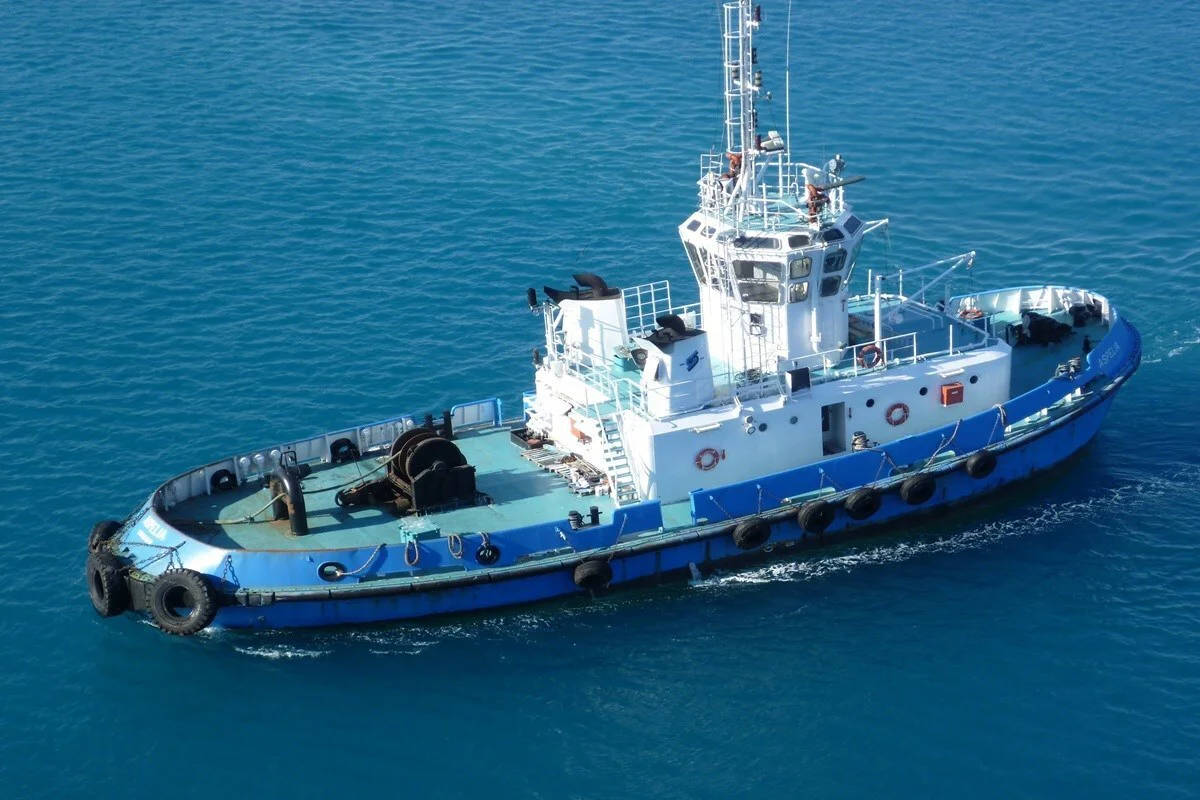
A series of fatal water accidents has reportedly pushed the Federal Government of Nigeria to adopt strict actions on the safety standards on inland water transport. The Minister of Marine and Blue Economy, Adegboyega Oyetola, has urged state governments to bring an end to the commercial use of wooden boats and replace them with safer aluminium and fibre-reinforced plastic vessels. Speaking through a statement issued on Sunday in Abuja by his media adviser, Bolaji Akinola, the minister said the persistence of wooden vessels in passenger transport continues to put lives at risk. He described recent accidents as deeply distressing and offered his sympathies to the families affected, noting that such losses have become far too common on Nigeria’s rivers and creeks.
Explore- Most accurate data to drive business decisions with 50+ reports across the value chain
In the words of Oyetola, wooden boats are the prime cause behind the accidents. Often poorly built and inadequately maintained. Despite structural vulnerability, they are repeatedly used, which over time weakens the hull, leading to leaks, cracks and sudden collapse. If overloaded or plied in unfavourable weather, the danger becomes more evident.
The minister argued that a transition to aluminium or plastic boats would mark a critical step towards safer waterways. Unlike wooden craft, he said, these modern vessels would be more robust, stable and resistant to corrosion. They are easier to maintain, less prone to capsizing and better suited for fitting standard safety equipment, making them a far more reliable option for commercial operations.
While government action is prime, Oyetola has also emphasised the importance of personal responsibility among waterway users. He advised passengers to avoid night journeys, where poor visibility increases risk, and to insist on wearing approved life jackets. Boarding visibly damaged or overloaded boats, he warned, should never be an option, regardless of urgency or convenience.
The minister reiterated that the Federal Government has already taken steps to improve safety awareness and preparedness. To strengthen these efforts, 35,000 life jackets were distributed to riverine states last year. However, the government measures alone are not enough to reduce the number of accidents, especially when unsafe boats remain in circulation.
He expected state governments to be more active by investing in modern vessels made from aluminium for commercial transport and enforcing stricter safety standards, including the mandatory provision of life jackets for passengers. Without stronger cooperation across all levels of government, he said, progress would remain limited.
Water transport, Oyetola noted, is a vital component of Nigeria’s blue economy and a daily necessity for many communities. Ensuring its safety is not optional but fundamental. With coordinated action, better regulation and a clear move away from unsafe wooden boats, he said, the country can begin to reduce avoidable accidents and restore confidence in its inland waterways.
Must read: Key industry individuals share their thoughts on the trending topics

China Aluminium cans chairman takes on key ISO standards role
Next articleConstellation keeps steady with Q3 after Q1 troubles and Q2 trials
Grow with
AL Circle