MPE backs CBAM extension from 2028 into downstream aluminium, steel & iron products
The European Commission’s proposed extension of the Carbon Border Adjustment Mechanism (CBAM) has gained the support of Metal Packaging Europe (MPE), advocating fairer carbon pricing in line with broader climate objectives and decisive action to address emissions across supply chains.
To know more about the global primary aluminium industry 2026 outlook, book the report “Global ALuminium Industry Outlook 2026"
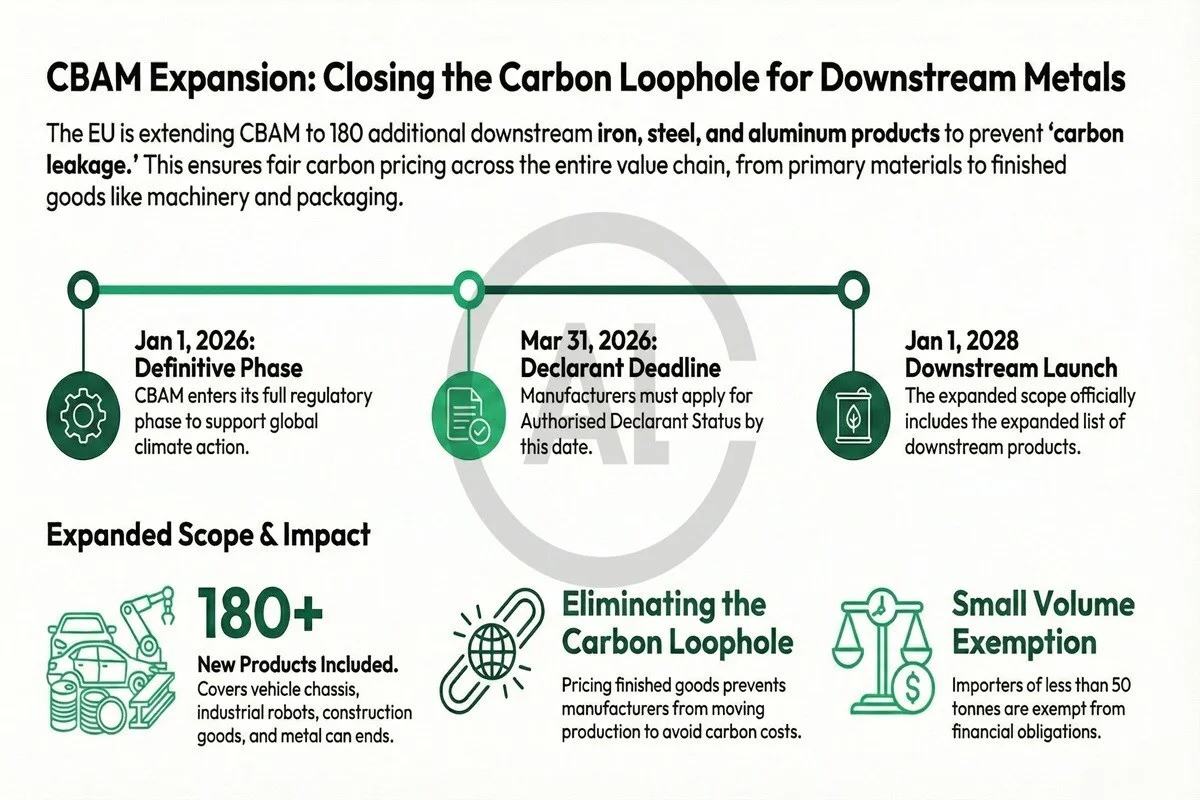
CBAM, a policy tool, aims to put a fair price on carbon emissions produced during the manufacturing of carbon-intensive goods like aluminium, steel, cement, etc., imported into the European Union. The European Commission has proposed extending CBAM to include downstream products of iron, steel and aluminium, with the expanded scope to be implemented from January 1, 2028.
MPE points out that CBAM currently charges primary steel and aluminium, leaving a loophole for many semi-finished and finished products containing the same materials. As a result, the risk of carbon leakage persists, which weakens fair competition. “All industries that compete internationally and rely on CBAM materials must benefit from a clear and transparent regulatory framework that recognises downstream efforts towards circularity and decarbonisation,” said Krassimira Kazashka, CEO of MPE.
CBAM’s extended phase is set to take effect from January 1, 2028 and targets six carbon-intensive sectors: iron and steel, aluminium, cement, fertilisers, hydrogen, and electricity. This aims to ensure comprehensive coverage and consistent treatment across downstream products.
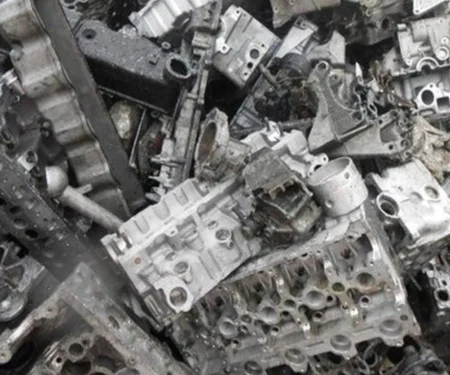
The EU plans to include 180 additional downstream products of iron, steel, and aluminium to prevent manufacturers from moving production one step further down the value chain. These products include automobile components such as vehicle chassis, engines, and radiators; machinery equipment like industrial robots, casting machines, and cylinders; as well as household and construction goods. Can ends, classified under CN code 83099090, are also to be included.
While manufacturers must apply for Authorised Declarant Status by March 31, 2026, importers of less than 50 tonnes are exempted from financial obligations.
“As CBAM enters its definitive phase on 1 January 2026, MPE welcomes the Commission’s efforts to ensure a balanced and effective implementation,” MPE stated. They also share that this important inclusion represents a vital step towards stronger and more comprehensive mechanism adaptations to support global climate action and address ongoing environmental challenges. Benchmarks based on how products are made help protect downstream value chains, support recycling and the circular economy, and avoid harming low-carbon manufacturers.
Must read: Key industry individuals share their thoughts on the trending topics

Summit Global trims stake in Kaiser Aluminum while many other institutions rebalancing their positions
Next articleGolkonda Aluminium reports $0.2M net sales in Q2 FY26, but balance sheet raises concern
Grow with
AL Circle