Mine to Market: More than a magazine, a steering partner to surf through volatility with peers from across the aluminium value-chain
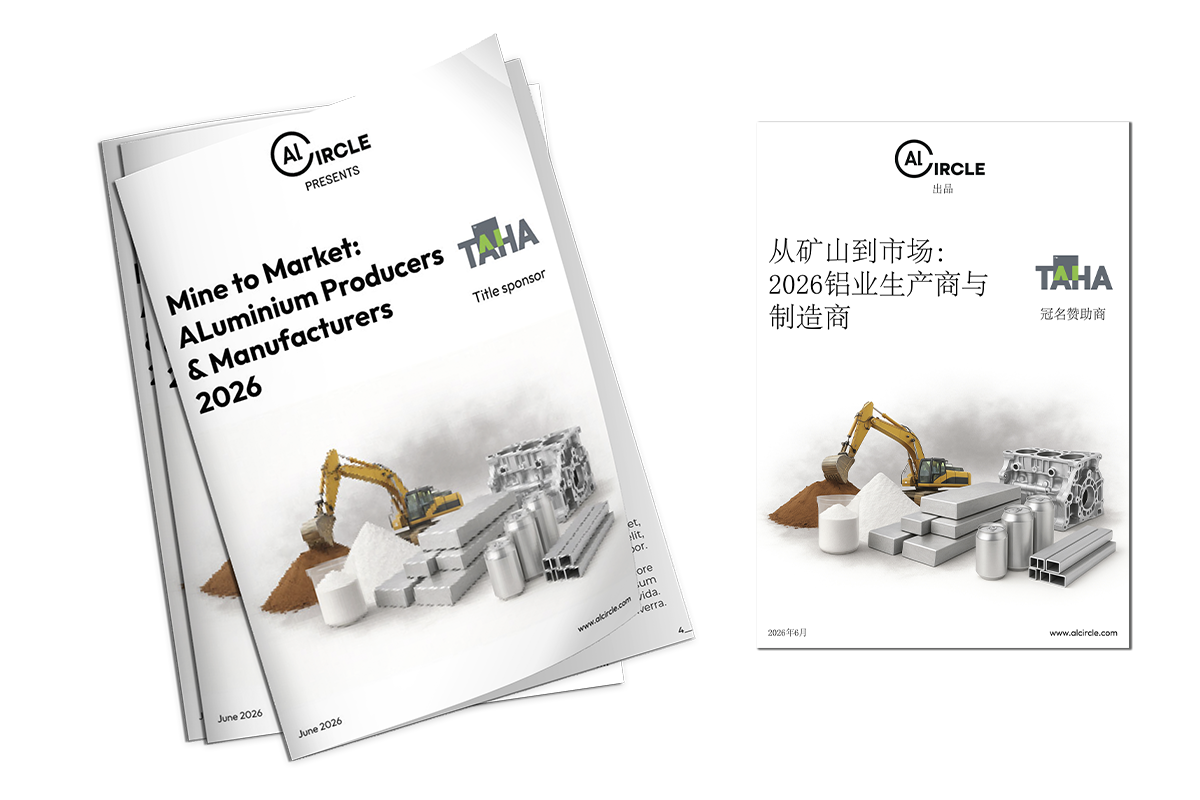
Aluminium, the silvery metal powering homes, industries and enabling humans to fly and sail, has a gripping tale of its mine to market journey. It is extracted after multiple refining processes from the reddish-brown ore. The ore is refined to the powdery white substance Aluminium oxide, commonly known as alumina, to the silvery slabs, billets and ingots, etc., which are then broken into various shapes and sizes for specific consumer markets.
The global aluminium industry employs approximately 7.5 million people directly and indirectly. Apart from the modern world’s mobility, defence, infrastructures and sustainable packaging depending upon aluminium, these people’s livelihoods depend on the metal’s journey from mine to market, too.
It is important to mention here that aluminium plays a notable role in the world economy. The primary metal might contribute what seems to be a mere 1.2-1.3 per cent to the global GDP according to its price, but the journey doesn’t end with aluminium production. The automobiles manufactured, the defence mechanisms developed, and the infrastructural advancements by any country have the mine to market journey of aluminium written all over them.
Many of those who partake in flourishing the industry, such as FIMI Machineries, Calderys, Glasspoint, along with globally recognised associations and event organisers like The Aluminium Association, ALU Arabia. ALU China and Aluminium Dussledorf have come together to voice their stance about the global aluminium industry's present and potential future.
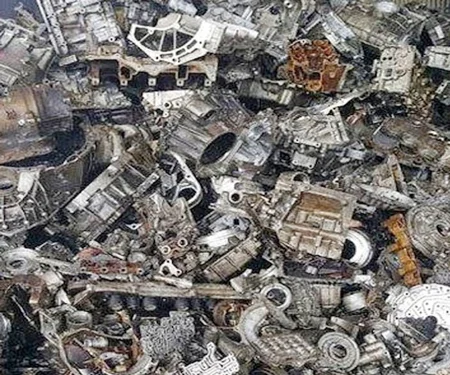
There are by-products along every step of the journey. But those by-products once regarded as waste are increasingly being recognised as strategic resources. All that red mud, dross, even scrap has great value to them. Rare earth can be extracted from the alumina refining by-product red mud, whereas dross has the potential to yield a new batch of aluminium as well as generating further by-products such as alumina-rich residues, salts and soda ash, which are utilised in industries like cement, refractory, and chemicals.
Ammar Awach, CEO, TAHA International, has rightly shared through his interview, “Dross remains one of the industry’s most underutilised resources. Every tonne of aluminium recovered from dross reduces the need for additional primary production and the associated energy consumption and carbon emissions.”
To know about safety and productivity of autonomous furnace tending in aluminium cast houses, join our upcoming webinar here
But with all that positivity in mind, we know that it is not all hunky dory. For the past few years, the value chain has faced one speed-breaker after another, the most recent one being Strait of Hormuz disruption.
In the magazine "Mine to Market: ALuminium Producers & Manufacturers 2026”, an exclusive article by Kelly Thomas, President & CEO, Vista Metals, states, “The effective closure of the strait, combined with Iranian missile strikes on major Gulf smelting facilities, including Emirates Global Aluminium and Aluminium Bahrain, removed an estimated 3 per cent of global aluminium supply from the market almost overnight. London Metal Exchange aluminium prices surged approximately 19 per cent year-to-date through May 2026 as a result.”
Despite these headwinds, the global market size is projected to reach USD 355 billion by 2030, with a CAGR of 4.8 per cent. The market moves towards a strong demand led by vehicle lightweighting, urban infrastructure expansion, and increased usage in energy-efficient applications.

The "Mine to Market: ALuminium Producers & Manufacturers 2026" magazine's digital version is now available for download on AL Circle's website.
RUSAL’s first aluminium smelter fully transitions to modern Russian gas cleaning systems
Next articleUK commits $66m to critical minerals sector, reinforcing aluminium's strategic role
Grow with
AL Circle