01 AUGUST 2012Financial Times
Metals melt in heat of financial crisis
Edited by : AL CIRCLE
3 min read

Industrial metals such as copper, Aluminium and nickel are sensitive to changes in the global economic cycle, because of their uses in construction and manufacturing. So, as expectations for economic growth in Europe, China and the US have been scaled down, prices have fallen to the lowest in years.
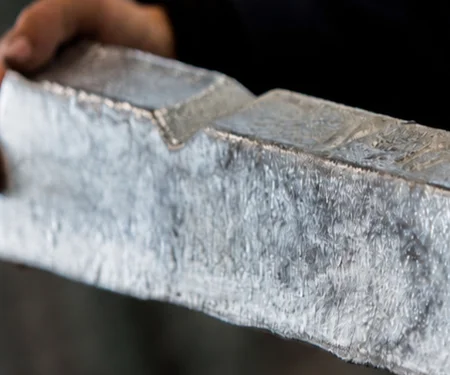
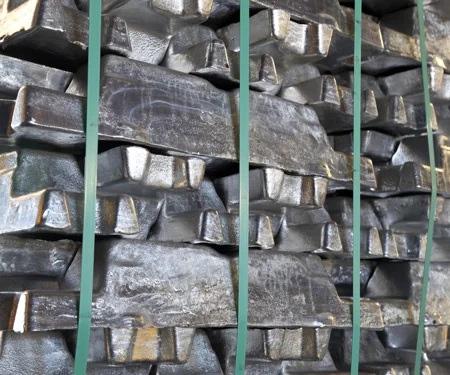
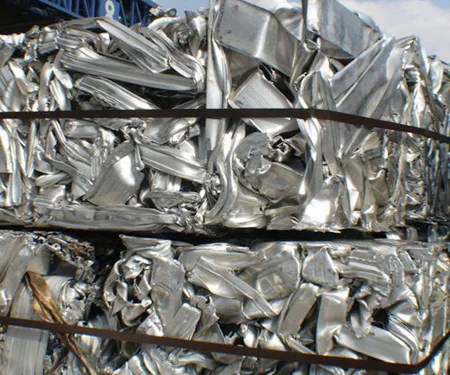
Aluminium, used to build aircraft, cars and to make fizzy drinks cans, has tumbled 20 per cent since March and at $1,899 a tonne on Monday was close to its lowest since late 2009. Nickel, used to make stainless steel, has fallen 30 per cent since February to touch a three-year low of $15,450 a tonne. Even iron ore, a favourite of commodity bulls, has fallen 22 per cent since April.
For some time, traders and investors have been trying to pick the bottom of some of the markets. According to traditional theory among metals analysts, if prices stay for long enough at this marginal cost, the high-cost producers will curtail their output, supporting prices.
As Sucden Financial, a leading metals broker, noted last week: “Most base metals prices, apart from copper, have fallen to levels that are squeezing margins at higher-cost producers, which increases the chances that more production cuts will be made.”
There is no doubt that producers of metals such as aluminium, nickel and platinum are feeling the pain. Svein Richard Brandtzaeg, chief executive of Norsk Hydro, the fifth-largest Aluminium producer, said last week that at current “extremely low” Aluminium prices it was “impossible for the Aluminium industry to deliver a decent return. And it is also a situation where a part of the industry is below water”.
Daniel Brebner, metals analyst at Deutsche Bank, who at the start of the year recommended investors bet that nickel would outperform copper and gold, argues that such trades were reasonable given expectations for weaker growth. A lot of investors, he says, have been “cut to pieces” by the unexpected moves in the metals markets. Nickel, for example, has underperformed every other metal so far this year.
The reason for this? China. While Chinese demand generally steals the headlines, China is also the most important swing supplier in most metals markets. When analysts talk of “marginal producers”, they are more often than not referring to Chinese miners and smelters.
First and foremost among these is the Chinese government, which stepped in last month to support Aluminium producers by cutting electricity tariffs in a number of provinces. That alone cut marginal Aluminium costs by 7 per cent, according to Mr Luke of CICC.
Raw materials costs have also been falling. Chinese coal and diesel prices have dropped 22 per cent and 5 per cent respectively from recent peaks, lowering power costs.
Moreover, general mining industry cost inflation is fading in China, as prices fall and investments are scaled down. Where does that leave the concept of a price floor for metals markets? As Mr. Luke says: “This has proven it’s a completely moving target.”
Aluminium, used to build aircraft, cars and to make fizzy drinks cans, has tumbled 20 per cent since March and at $1,899 a tonne on Monday was close to its lowest since late 2009. Nickel, used to make stainless steel, has fallen 30 per cent since February to touch a three-year low of $15,450 a tonne. Even iron ore, a favourite of commodity bulls, has fallen 22 per cent since April.
For some time, traders and investors have been trying to pick the bottom of some of the markets. According to traditional theory among metals analysts, if prices stay for long enough at this marginal cost, the high-cost producers will curtail their output, supporting prices.
As Sucden Financial, a leading metals broker, noted last week: “Most base metals prices, apart from copper, have fallen to levels that are squeezing margins at higher-cost producers, which increases the chances that more production cuts will be made.”
There is no doubt that producers of metals such as aluminium, nickel and platinum are feeling the pain. Svein Richard Brandtzaeg, chief executive of Norsk Hydro, the fifth-largest Aluminium producer, said last week that at current “extremely low” Aluminium prices it was “impossible for the Aluminium industry to deliver a decent return. And it is also a situation where a part of the industry is below water”.
Daniel Brebner, metals analyst at Deutsche Bank, who at the start of the year recommended investors bet that nickel would outperform copper and gold, argues that such trades were reasonable given expectations for weaker growth. A lot of investors, he says, have been “cut to pieces” by the unexpected moves in the metals markets. Nickel, for example, has underperformed every other metal so far this year.
The reason for this? China. While Chinese demand generally steals the headlines, China is also the most important swing supplier in most metals markets. When analysts talk of “marginal producers”, they are more often than not referring to Chinese miners and smelters.
First and foremost among these is the Chinese government, which stepped in last month to support Aluminium producers by cutting electricity tariffs in a number of provinces. That alone cut marginal Aluminium costs by 7 per cent, according to Mr Luke of CICC.
Raw materials costs have also been falling. Chinese coal and diesel prices have dropped 22 per cent and 5 per cent respectively from recent peaks, lowering power costs.
Moreover, general mining industry cost inflation is fading in China, as prices fall and investments are scaled down. Where does that leave the concept of a price floor for metals markets? As Mr. Luke says: “This has proven it’s a completely moving target.”
Previous article
Aluminum Corporation of China showing Bearish indications
Next articleLME aluminum should struggle between USD 1,885 to1,910/mt: SMM Morning Review
Grow with
AL Circle