Maruti e‑Vitara and MG Windsor EV on each side of the balance scale
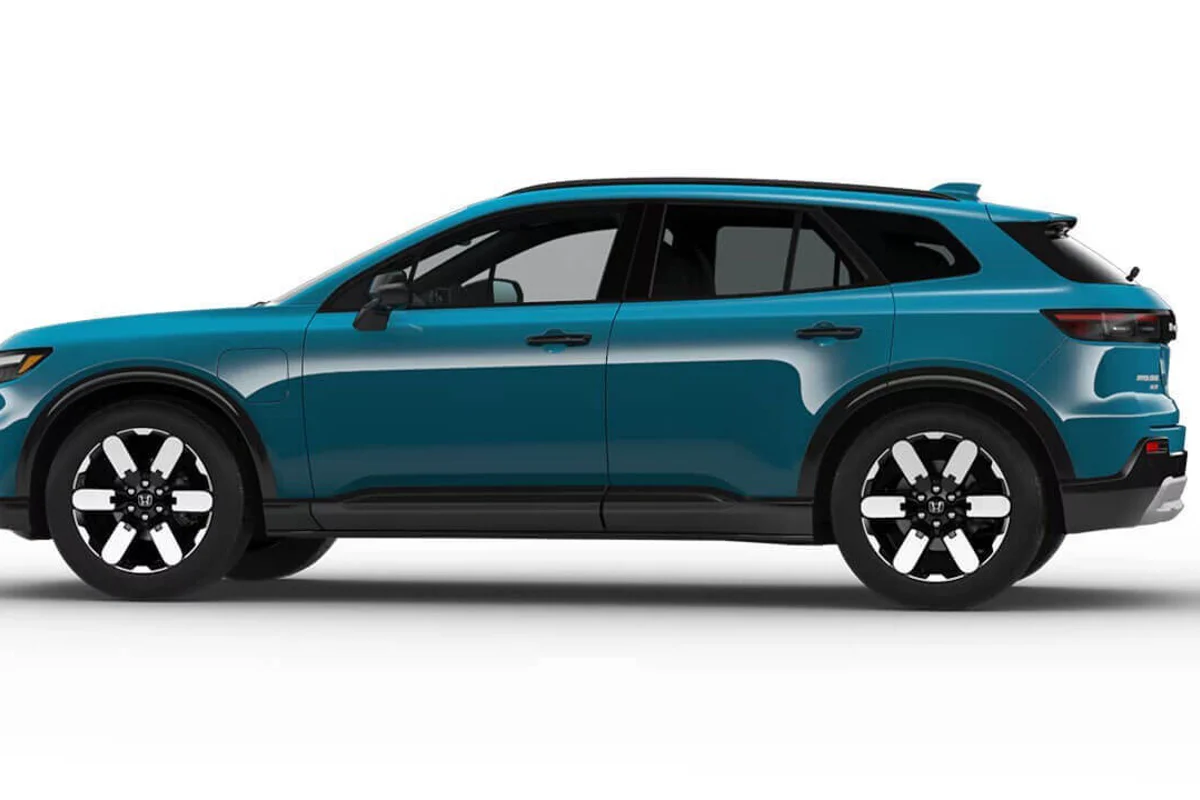
The two electric vehicle models, namely the Maruti Suzuki e-Vitara and the MG Motor India Windsor EV, are two budget-friendly electric SUVs that have been launched in India. In recent times, customers are looking for environmentally friendly car solutions without spending a huge amount on them. These two vehicles with zero emission criteria serve the best requirements for the consumers in the present scenario. Both the models, Maruti e-Vitara and MG Windsor EV, mostly use aluminium in their construction, specifically for components like wheels and potentially structural reinforcements to reduce their average weight factor.
For the global aluminium value-chain 2026 outlook, book our exclusive report “Global ALuminium Industry Outlook 2026"
The price Comparison
The Maruti Suzuki e-Vitara was launched with an ex-showroom price starting at INR 1.1 million (USD 12059.05) in a Battery as a Service (BaaS) format. However, the battery is a separate rental service provided with the model. For people who wish to buy the e-Vitara outright, the price of the battery included variant ranges from INR 1.599 million (USD 17549.15) to INR 2.001 million (USD 21956.07), depending on the variant of the vehicle being purchased by the users.
The e-Vitara has three main versions, namely Delta, Zeta, and Alpha. Under BaaS, the cost of the battery per kilometre is approximately INR 3.99 (0.04 USD), which allows the customer to keep their initial costs down while tying the overall cost of ownership to the kilometres driven.
On the other hand, the MG Windsor EV is being marketed as an affordable alternative, starting at approximately INR 0.99 million (USD 10862.04) and ranging up to approximately INR 1.749+ million (USD 19189.61+) ex-showroom dependant upon the variant chosen and also battery pack size. Like the SUV model e-Vitara, the Windsor EV also has a BaaS system available on certain variants, but for other variants, customers can purchase the vehicle outright.
Range and battery
When it comes to range and battery, the Maruti e-Vitara provides two battery pack size options. One is the 49-kWh battery pack that generates a claimed range of approximately 440 km, while the larger 61 kWh battery provides a claimed range of approximately 543 km on one charge. On the otherhand, the Windsor EV Pro has a larger 52.9 kWh battery pack and has a claimed range of approximately 449 km on a charge.
Features and equipment
Maruti e-Vitara provides Level-2 Advanced Driver Assistance Systems (ADAS) for semi-autonomous driving, a 7-airbag safety suite and a strong structural safety that comes with a 5-star safety rating. The e-Vitara possesses two displays for infotainment, along with various premium features such as ventilated seats, an adjustable seat and a sunroof. This car will also have an assured buy-back value of up to 60 per cent even after 3 years. On the other hand, the MG Windsor possesses infotainment with a large 15.6-inch touchscreen, 360-degree camera, soothing lighting and overall premium feel for the consumer.
Ownership
Another factor that differentiates e-Vitara and Windsor EV is their charging and ownership model options. Both vehicles offer a Battery-as-a-Service (Baas) option to help reduce the purchase price. The e-Vitara also comes with an installed home charger and, in most cases, includes a year’s worth of free public charging.
While both electric SUVs provide excellent value within India’s increasing EV market, the e-Vitara provides an advantage over the Windsor EV in terms of range and safety features for people who use the highway. The Windsor EV continues to be a leader in that segment because of its entry-level pricing and comfortable riding experience.
Don't miss out- Buyers are looking for your products on our B2B platform

Punch-ing above its weight: Tata Motors to unveil the Tata Punch EV Facelift today
Next articleAs global aluminium consumption heads towards 106.8 MT in 2026, What’s driving the growth - and which region leads the way?
Grow with
AL Circle