Aluminium Federation
Manufacturing vital to UK economy, says Aluminium Federation
Edited by : AL CIRCLE
3 min read

The Strategy, produced by the UK Metals Forum, aims to revitalise Britain’s metals industry by boosting innovation, encouraging greater cross-sector collaboration, creating 150,000 new jobs and building a sustainable future for the industry. This will drive increased productivity and added value in the sector, which will translate into more corporate and personal tax take for the UK government.
Responding to Small Business, Industry and Enterprise Minister Anna Soubry MP at the launch of the Strategy, Aluminium Federation Board member Henry Dickinson reflected that recent developments in the UK steel sector echoed what has happened in recent years with aluminium.
“The clear lessons from the past are that once strategic plants like these close, it is highly unlikely that they will ever be re-built in the UK. Their loss to the UK economy is permanent and with them go the skills, supply chains and technical foundations on which they are built,” he said.
In the UK employees in the metals industries are highly productive, with an average employment cost of £32,000 per head, and gross value added per employee of £46,000; well above UK averages. The metals sector exported £17.7 billion in 2013, and imported £21.7 billion.
Mr Dickinson said that, owing to its higher productivity, the UK metals industry can compete on a global stage. However, low profit margins make the sector extremely sensitive to taxes and charges that add to costs, especially if those costs are not experienced by overseas competitors.
“It is therefore imperative that the UK has a viable and competitive regulatory framework for its manufacturing industries,” he said. ”Misguided attempts at 'leadership’ in areas such as environmental regulation risk being counterproductive, merely ‘off-shoring’ the production of products that we still consume here in the UK, potentially at greater cost to the global environment.”
Mr Dickinson welcomed the exemption from Climate Change Levy of the metals and mineralogical industries, and suggested that similar targeted relief from other taxes, such as Business Rates, Insurance Tax, and National Insurance contributions, would demonstrate that the government was serious about supporting manufacturing industry. He also praised the government’s support for research and development, and its investment in Catapult schemes, which the Aluminium Federation was working to make more accessible to SMEs.
Despite the opportunities for suppling a revitalised manufacturing sector, the metals industry was often seen in a negative light, claimed Mr Dickinson. Instead we should recognise the huge value that these foundation industries add to the UK, and that they are vital to a modern, innovative economy.
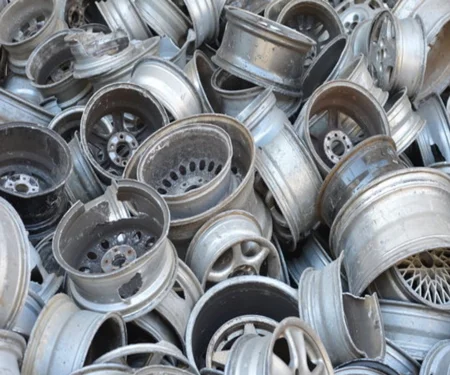
“Let us apply some common sense to the enforcement of environmental regulation so that, for example, the family car, when it is beyond economic repair, becomes a valuable resource, rather than ‘hazardous waste’, and grasp the true potential of the metals sectors to deliver a more circular and sustainable economy.”
Responding to Small Business, Industry and Enterprise Minister Anna Soubry MP at the launch of the Strategy, Aluminium Federation Board member Henry Dickinson reflected that recent developments in the UK steel sector echoed what has happened in recent years with aluminium.
“The clear lessons from the past are that once strategic plants like these close, it is highly unlikely that they will ever be re-built in the UK. Their loss to the UK economy is permanent and with them go the skills, supply chains and technical foundations on which they are built,” he said.
In the UK employees in the metals industries are highly productive, with an average employment cost of £32,000 per head, and gross value added per employee of £46,000; well above UK averages. The metals sector exported £17.7 billion in 2013, and imported £21.7 billion.
Mr Dickinson said that, owing to its higher productivity, the UK metals industry can compete on a global stage. However, low profit margins make the sector extremely sensitive to taxes and charges that add to costs, especially if those costs are not experienced by overseas competitors.
“It is therefore imperative that the UK has a viable and competitive regulatory framework for its manufacturing industries,” he said. ”Misguided attempts at 'leadership’ in areas such as environmental regulation risk being counterproductive, merely ‘off-shoring’ the production of products that we still consume here in the UK, potentially at greater cost to the global environment.”
Mr Dickinson welcomed the exemption from Climate Change Levy of the metals and mineralogical industries, and suggested that similar targeted relief from other taxes, such as Business Rates, Insurance Tax, and National Insurance contributions, would demonstrate that the government was serious about supporting manufacturing industry. He also praised the government’s support for research and development, and its investment in Catapult schemes, which the Aluminium Federation was working to make more accessible to SMEs.
Despite the opportunities for suppling a revitalised manufacturing sector, the metals industry was often seen in a negative light, claimed Mr Dickinson. Instead we should recognise the huge value that these foundation industries add to the UK, and that they are vital to a modern, innovative economy.
“Let us apply some common sense to the enforcement of environmental regulation so that, for example, the family car, when it is beyond economic repair, becomes a valuable resource, rather than ‘hazardous waste’, and grasp the true potential of the metals sectors to deliver a more circular and sustainable economy.”
Unlock full access – sign up for FREE.
Key benefits
Find exclusive data-driven insights and in-depth analysis
Get our daily newsletter delivered straight to your inbox
Access real-time and historical price trends from global indices
Post and respond to latest business leads
Stay ahead with alerts on learning tools
...and so much more!SIGN UP / LOGIN
Previous article
Tesla unveils aluminium-skinned Model X SUV with falcon-wing doors
Next articleAlcoa opens advanced jet engine parts facility in Indiana
Grow with
AL Circle