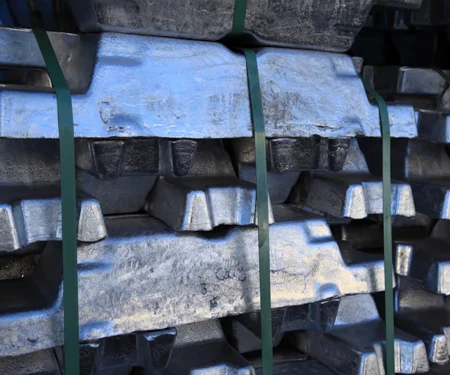
Low carbon Aluminium demand is on higher side for the Construction sector

Crossing through the “Corona crisis”, governments are seeking businesses to engage in a "green recovery" whereby sustainability is prioritised and put at the centre of the rebuilding of global economies.
With businesses and individuals re-assessing their attitudes to the risks faced by global threats such as climate change, there is indeed no better time to convert words into actions by building and delivering new infrastructure in a way which kick-starts and supports the low-carbon transition.
These examples are still only a minority however and more must be done. That is where low-carbon aluminium comes in. Construction carbon specialists, Bionova, published that: “Low-carbon Aluminium: Solution for sustainable construction and renovation, which welcomes low-carbon aluminium as an essential solution for more sustainable construction and renovation. “
Generally, sustainable construction professionals are bending on the energy efficiency of buildings. This is important but doesn’t go far enough. According to the UN Environment Programme (UNEP), the manufacturing of construction materials contributes to 11% of total global greenhouse gas emissions.
According to the International Aluminium Institute: “Aluminium is infinitely recyclable with a staggering 75% of the total aluminium ever produced still in use.”

Already an essential material for the sector due to its low weight, ease of extrusion to any shape and durability, demand for aluminium has been growing in recent years.
According to a report by the Global Alliance for Buildings and Construction in 2017, the world’s total building stock will double by 2060 and, according to The Circular Economy: “A Powerful Force for Climate Mitigation, global aluminium production is set to double by 2050 to meet this demand. “
Analysis carried out by a US-based real estate services firm, and Bionova revealed that a 140,000 sq ft educational building could reduce its greenhouse gas emissions by 23% and embodied carbon by 18% by simply replacing low-carbon aluminium with primary aluminium in its building parts. In commercial buildings with traditional structures and aluminium parts, low-carbon aluminium can reduce carbon emissions by approximately 7%.

Low-carbon aluminium can also be used for renovations or retrofits.
The environmental benefits of low-carbon aluminium have been officially recognised by international green building certifications such as LEED and BREEAM. Buildings that use low-carbon aluminium are awarded credits for reducing embodied carbon. As well as being officially recognised, investors and consumers are increasingly prioritising sustainability in their investment or purchasing decisions.
Note to readers: AlCircle brings two-day event for aluminium industry players. We look forward to meeting you virtually at “Global Aluminium Expo 2020”on October 6-7, 2020. For registration, visit www.alcircleevents.com
Lotte Aluminium expands cathode foil capacity at its plant
Next articleFine Wine rolls-out Monk fruit wine in aluminium bottles bound for Australia
Grow with
AL Circle