28 OCTOBER 2016AlCircle.com
Logistic bottleneck and high demand drive surge in aluminium price in China
Edited by : Beethika Biswas
3 min read

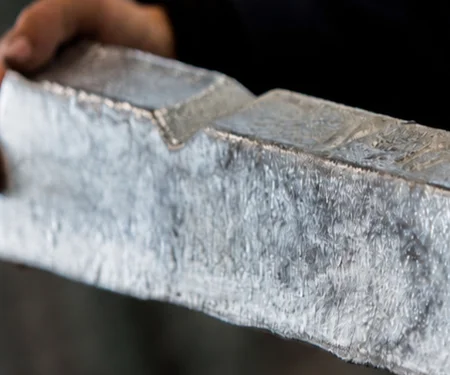
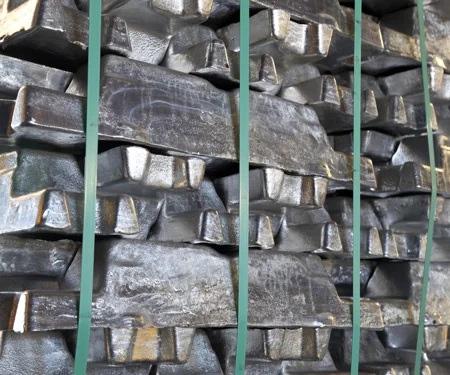
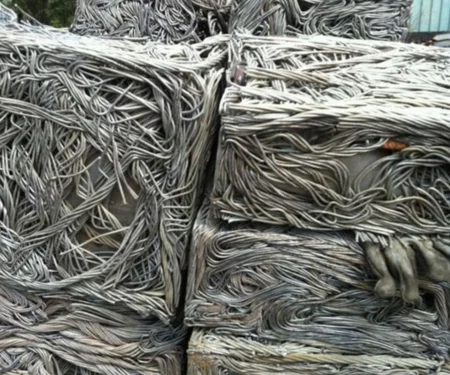
<p>A huge stock of aluminium ingots are piling up at the Chinese market waiting for delivery and an artificial shortage in available supply is surging up aluminium price in the spot market. Aluminium futures at Shanghai Future Exchange rose to a two-year high on Wednesday October 26. Aluminium Prices were trading at the highest levels since late 2014 closing up nearly 5% at $2,023 per ton.<br /><br />As pointed out in a Wall Street Journal analysis, stricter Chinese road regulations is the main cause for the delay in delivery as the Chinese government has imposed new weight limitations on trucks to control overloaded trucks and vehicle accidents. They have enforced a maximum weight of 49 tons for trucks cutting it down from 55 tons on September 21. The enforcement led to an increase in physical aluminium prices in regional markets in the following weeks continuing the same in October.<br /><br /><img style="vertical-align: middle; display: block; margin-left: auto; margin-right: auto;" src="http://www.alcircle.com/uploads/images/aluminium%20logjam.jpg" alt="News" width="480" height="341" /><br /><br />Improving demand situation in China combined with a shortage in supply and resulting extra cost to producers as well as a rising energy prices put together to push up the aluminium prices higher in China. Analysts are of the view that the market will take time to adjust to the new regulations as it is adding about 30% extra costs for producers who rely mainly on trucks for delivery of aluminium.<br /><br />“The longer this situation is unresolved, the more impact it’s going to have,” said Michael Turek, head of base metals at BGC Partners in New York. “Less aluminium is getting to where it needs to go.”<br /><br />{googleAdsense}<br /><br />As reported by the aluminium consultancy AZ China, smelters looking to move aluminium by train are also facing backlogs. <br /><br />“Loads of ingots are waiting at rail stations across the region, waiting for spare rail capacity to take them to markets in the south east and elsewhere,” AZ China said in a report.<br /><br />According to CRU Group, the reported aluminium stocks in China dropped 21% from 327,100 tons in mid-September to 258,700 tons by the end of September. Expectations for higher production costs may also be lending a hand to the recent rally. Another factor that is contributing to the price rally is that the rising coal prices has sparked speculation of higher production costs, since energy costs account for about 50% of aluminium production cost.<br /><br />Capital Economics expects to see 5% growth in Chinese demand for aluminium in 2017 which is also improving the price situation. The jump in aluminium prices in China has also influenced other metal markets as the three-month LME aluminIum contract closed up 0.6% at $1,697 a metric ton and the volume of aluminium contracts traded on the LME reached the highest volume since 2003.</p>
<p><span style="border-radius: 2px; text-indent: 20px; width: auto; padding: 0px 4px 0px 0px; text-align: center; font: bold 11px/20px 'Helvetica Neue',Helvetica,sans-serif; color: #ffffff; background: #bd081c url('data:image/svg+xml;base64,PHN2ZyB4bWxucz0iaHR0cDovL3d3dy53My5vcmcvMjAwMC9zdmciIGhlaWdodD0iMzBweCIgd2lkdGg9IjMwcHgiIHZpZXdCb3g9Ii0xIC0xIDMxIDMxIj48Zz48cGF0aCBkPSJNMjkuNDQ5LDE0LjY2MiBDMjkuNDQ5LDIyLjcyMiAyMi44NjgsMjkuMjU2IDE0Ljc1LDI5LjI1NiBDNi42MzIsMjkuMjU2IDAuMDUxLDIyLjcyMiAwLjA1MSwxNC42NjIgQzAuMDUxLDYuNjAxIDYuNjMyLDAuMDY3IDE0Ljc1LDAuMDY3IEMyMi44NjgsMC4wNjcgMjkuNDQ5LDYuNjAxIDI5LjQ0OSwxNC42NjIiIGZpbGw9IiNmZmYiIHN0cm9rZT0iI2ZmZiIgc3Ryb2tlLXdpZHRoPSIxIj48L3BhdGg+PHBhdGggZD0iTTE0LjczMywxLjY4NiBDNy41MTYsMS42ODYgMS42NjUsNy40OTUgMS42NjUsMTQuNjYyIEMxLjY2NSwyMC4xNTkgNS4xMDksMjQuODU0IDkuOTcsMjYuNzQ0IEM5Ljg1NiwyNS43MTggOS43NTMsMjQuMTQzIDEwLjAxNiwyMy4wMjIgQzEwLjI1MywyMi4wMSAxMS41NDgsMTYuNTcyIDExLjU0OCwxNi41NzIgQzExLjU0OCwxNi41NzIgMTEuMTU3LDE1Ljc5NSAxMS4xNTcsMTQuNjQ2IEMxMS4xNTcsMTIuODQyIDEyLjIxMSwxMS40OTUgMTMuNTIyLDExLjQ5NSBDMTQuNjM3LDExLjQ5NSAxNS4xNzUsMTIuMzI2IDE1LjE3NSwxMy4zMjMgQzE1LjE3NSwxNC40MzYgMTQuNDYyLDE2LjEgMTQuMDkzLDE3LjY0MyBDMTMuNzg1LDE4LjkzNSAxNC43NDUsMTkuOTg4IDE2LjAyOCwxOS45ODggQzE4LjM1MSwxOS45ODggMjAuMTM2LDE3LjU1NiAyMC4xMzYsMTQuMDQ2IEMyMC4xMzYsMTAuOTM5IDE3Ljg4OCw4Ljc2NyAxNC42NzgsOC43NjcgQzEwLjk1OSw4Ljc2NyA4Ljc3NywxMS41MzYgOC43NzcsMTQuMzk4IEM4Ljc3NywxNS41MTMgOS4yMSwxNi43MDkgOS43NDksMTcuMzU5IEM5Ljg1NiwxNy40ODggOS44NzIsMTcuNiA5Ljg0LDE3LjczMSBDOS43NDEsMTguMTQxIDkuNTIsMTkuMDIzIDkuNDc3LDE5LjIwMyBDOS40MiwxOS40NCA5LjI4OCwxOS40OTEgOS4wNCwxOS4zNzYgQzcuNDA4LDE4LjYyMiA2LjM4NywxNi4yNTIgNi4zODcsMTQuMzQ5IEM2LjM4NywxMC4yNTYgOS4zODMsNi40OTcgMTUuMDIyLDYuNDk3IEMxOS41NTUsNi40OTcgMjMuMDc4LDkuNzA1IDIzLjA3OCwxMy45OTEgQzIzLjA3OCwxOC40NjMgMjAuMjM5LDIyLjA2MiAxNi4yOTcsMjIuMDYyIEMxNC45NzMsMjIuMDYyIDEzLjcyOCwyMS4zNzkgMTMuMzAyLDIwLjU3MiBDMTMuMzAyLDIwLjU3MiAxMi42NDcsMjMuMDUgMTIuNDg4LDIzLjY1NyBDMTIuMTkzLDI0Ljc4NCAxMS4zOTYsMjYuMTk2IDEwLjg2MywyNy4wNTggQzEyLjA4NiwyNy40MzQgMTMuMzg2LDI3LjYzNyAxNC43MzMsMjcuNjM3IEMyMS45NSwyNy42MzcgMjcuODAxLDIxLjgyOCAyNy44MDEsMTQuNjYyIEMyNy44MDEsNy40OTUgMjEuOTUsMS42ODYgMTQuNzMzLDEuNjg2IiBmaWxsPSIjYmQwODFjIj48L3BhdGg+PC9nPjwvc3ZnPg==') no-repeat scroll 3px 50% / 14px 14px; position: absolute; opacity: 1; z-index: 8675309; display: none; cursor: pointer;">Save</span></p>
Previous article
LME aluminium rises on inventory decline in China’s key consuming regions
Next articleCentury Aluminium continues with primary aluminium downturn in Third Quarter 2016
Grow with
AL Circle