Kirin looks to recycled aluminium and renewable energy for lower-carbon packaging
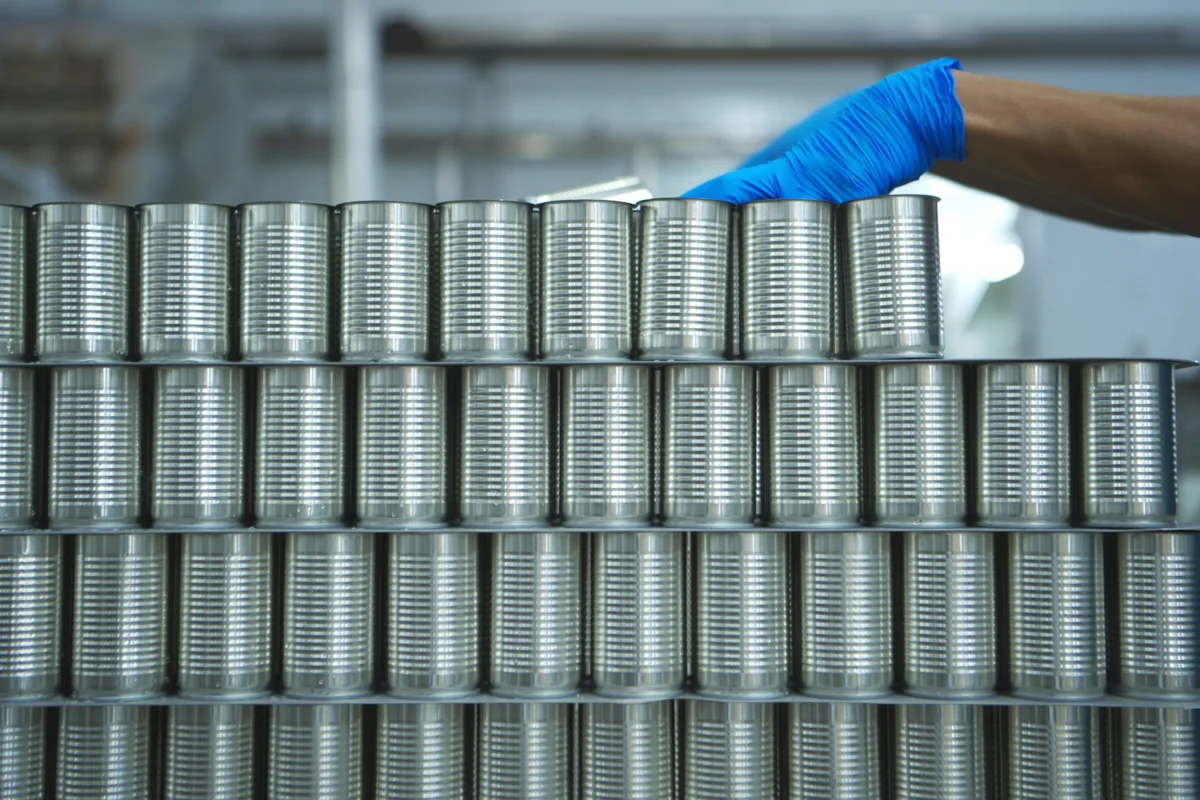
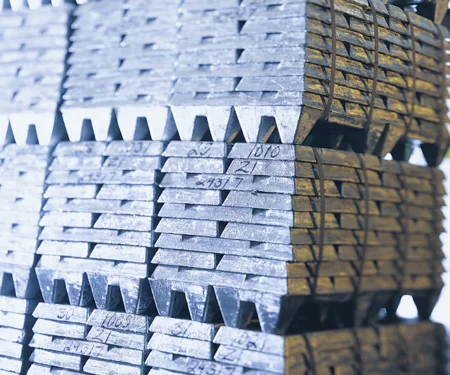
Stock image for referential purposes only
Japanese beverage company Kirin is exploring greater use of recycled and low-carbon aluminium as part of its efforts to reduce emissions from packaging and move towards a more circular packaging system.
The company is considering GHG-free aluminium produced using renewable energy, as well as lower-emission aluminium with a high recycling rate. It is also looking at the possible use of carbon-free aluminium cans.
Aluminium, PET and paper are among the packaging materials covered in Kirin’s climate risk assessment. The company estimates that carbon pricing could add JPY 43.8 billion (USD 275.4 million) to packaging costs by 2050 under its sustainable scenario, which assumes a stronger global shift towards a low-carbon economy.
To learn the future of aluminium in the packaging industry, explore our report "ALuminium in Packaging: Consumer Trends and Market Dynamics"
For its Scope 3 measures, Kirin expects to spend about JPY 200 million (USD 1.2 million) between 2025 and 2027 on recycled aluminium, green aluminium and low-carbon malt. The figure is expected to reach JPY 4.7 billion (USD 29.5 million) by 2030.
Senior Executive Officer for CSV Strategy at Kirin, Hiroaki Takaoka, said, “Deriving ‘integrated solutions’ that simultaneously tackle climate, biodiversity and resource circulation from a holistic perspective has now become a new prerequisite for corporate value creation.”
Packaging materials and agricultural raw materials account for about 70 per cent of Kirin’s Scope 3 emissions. As a result, the company is focusing on changes across its packaging supply chain, including greater use of recycled materials and closer work with suppliers on emissions reduction.
Explore downstream aluminium suppliers, product listings and trade opportunities on AL Biz
Kirin is also increasing its use of recycled PET and plans to raise PET-to-PET horizontal recycling. At the same time, it is examining different aluminium options that can support its emissions-reduction targets while retaining aluminium as an important packaging material.
Takaoka added that the company is targeting 100 per cent renewable electricity by 2040 and net-zero emissions by 2050, with packaging, including aluminium, forming an important part of its wider transition plans.
Brazil’s aluminium beverage can market tracks shifting consumption patterns, maintains positive 2026 outlook
Next articleMeagan Lalonde joins Metra North America as Architectural Sales Manager
Grow with
AL Circle