Japan’s Q1 2026 aluminium premium of $195 likely to continue in the same bracket in Q2
A single smelter has had immense impact on the global trade scenario. Mozal’s closure hit the CBAM impacted nations, tightened the global aluminium supply chain scenario and now is influencing the Japan’s Q1 2026 aluminium premium with around a 127 per cent hike quarter-on-quarter. After a year of buyer resistance and sliding settlements, the country’s benchmark aluminium premium has snapped back sharply. But is Mozal the only inhibiting factor for Japan? And why are analysts anticipating similar premium bracket for Q2 2026?
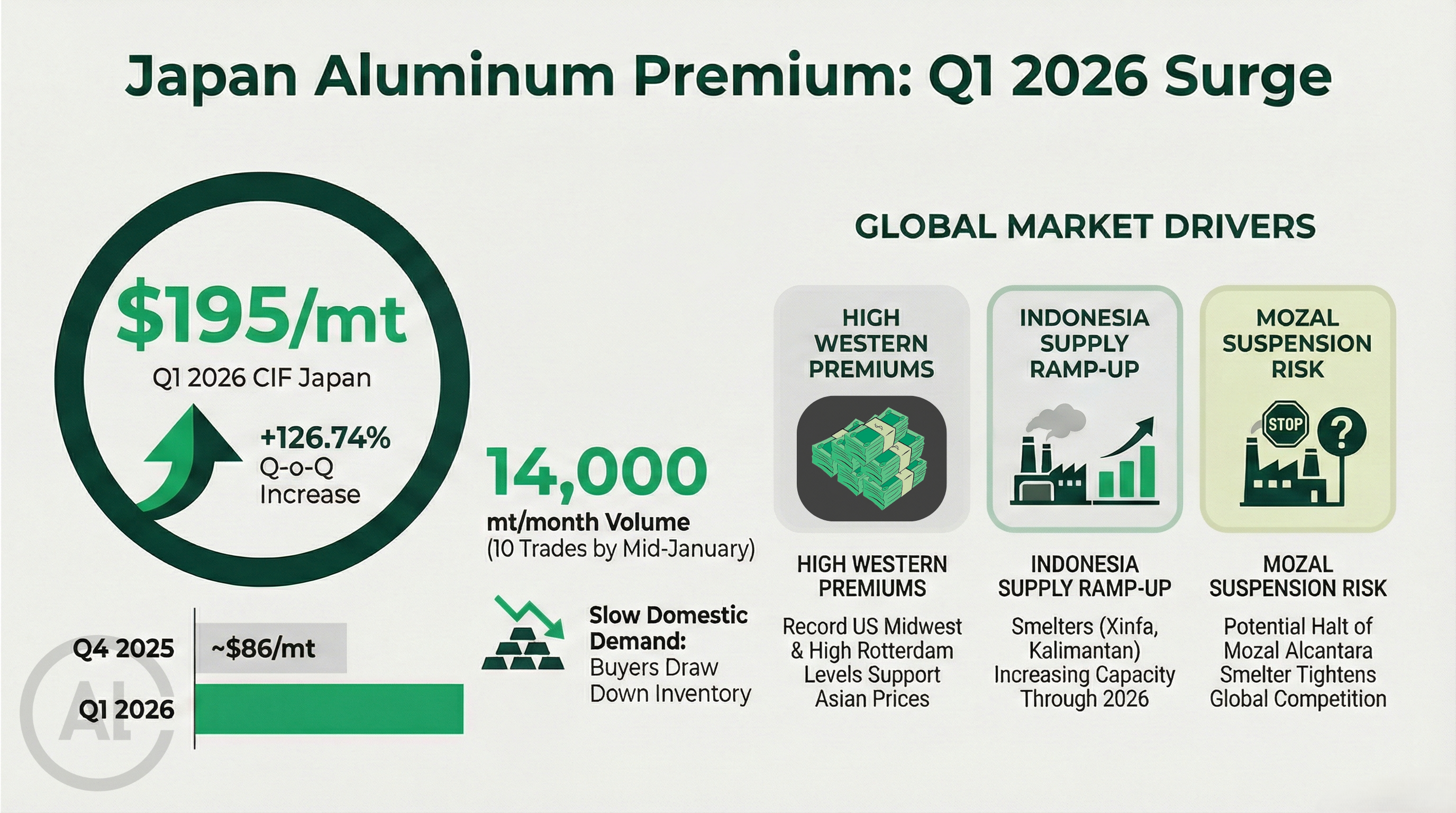
Japan’s quarterly premium for imported primary aluminium surged to USD 195 per tonne CIF for January-March 2026 (Q1), a jump from the roughly USD 86 per tonne settled for Q4 2025. The market spent most of last year defined by weak demand, buyer pushback and collapsing premiums, the move is striking for its scale and for what it says about shifting global supply dynamics.
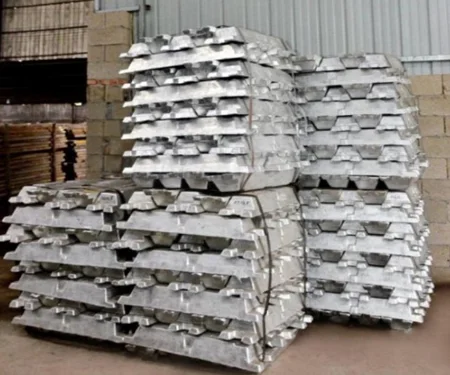
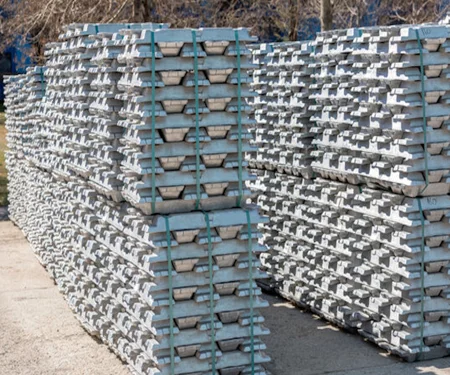
The CIF Japan settlement was based on 10 trades reported up to January 16, with a minimum aggregate volume of 14,000 tonnes per month of P1020 and P1020A aluminium ingot loaded for the first quarter. All reported transactions concluded at that single price level.
Unlock full access – sign up for FREE.
Key benefits
China-backed new electrolytic aluminium plant inaugurated in Angola
Next articleLME cash offer price represents a further drop to 0.74% while opening stocks look up by 5.6%
Grow with
AL Circle