Japan's primary aluminium imports witnessed 30% downfall in Jan-Aug on the grounds of sluggish demand
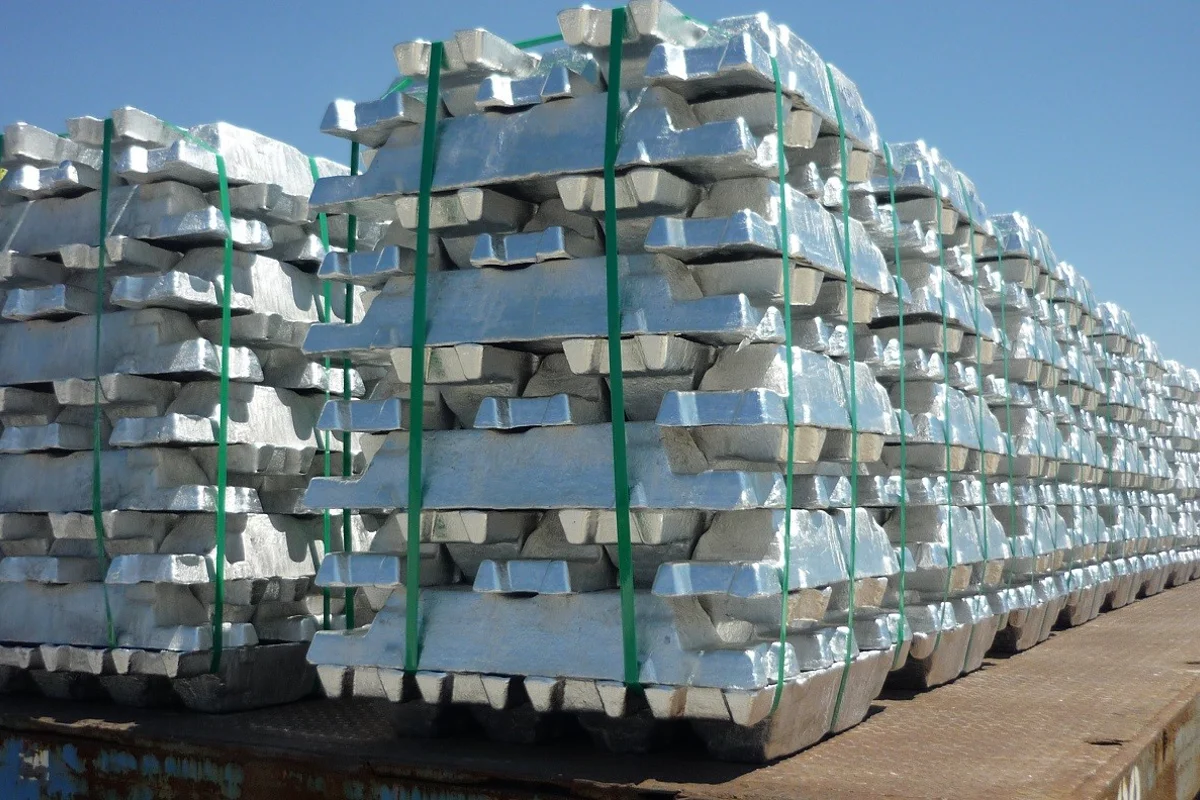
On September 28, 2023, according to trade data released by the Ministry of Finance, Japan stated that the country's August imports of primary aluminium declined by 16 per cent compared to the previous year, totalling 95,630 tonnes. This marks a cumulative decrease of 30 per cent for the year.
As reported by traders and aluminium manufacturers, Asia's largest importer of the lightweight metal used in transportation, construction, and packaging has experienced a significant decrease. This decline can be attributed to slow demand within the domestic construction sector and a lacklustre performance in export markets.
The Japanese imports of primary aluminium ingots for the period from January to August totalled 711,627 tonnes, marking a 30 per cent decrease compared to the previous year. A Japanese aluminium rolling mill senior official said, "Demand from automakers is recovering thanks to improvement in chip and parts supply, but demand from other sectors, including construction and semiconductor equipment, remains weak."
The data revealed by the Japan Aluminium Association stated that in July, Japan's exports of aluminium sheets and extrusions dropped by 5.1 per cent compared to the same month the previous year, extending the ongoing trend of decline for the 17th consecutive month.
An official at the association said, "Construction demand remains weak due to falling housing starts and the amount of aluminium used per unit."

The Japanese integrated trading and investment business conglomerate Marubeni reported that although aluminium imports have decreased, the aluminium stocks at three prominent Japanese ports, known as AL-STK-JPPRT, increased by 2.9 per cent to reach 360,700 tonnes by the end of August compared to the end of July. This amount exceeded the recommended range of 250,000 to 300,000 tonnes.
Global competition and energy crisis continue to challenge the German aluminium industry: Aluminium Deutschland
Next articleAluminium ingot production in Iran during March 21-August 22 records a drop of 1.2% Y-o-Y
Grow with
AL Circle