Japan's aluminium import up about 3% in 2018, Q1 2019 registers a slight drop in import on seasonal low demand
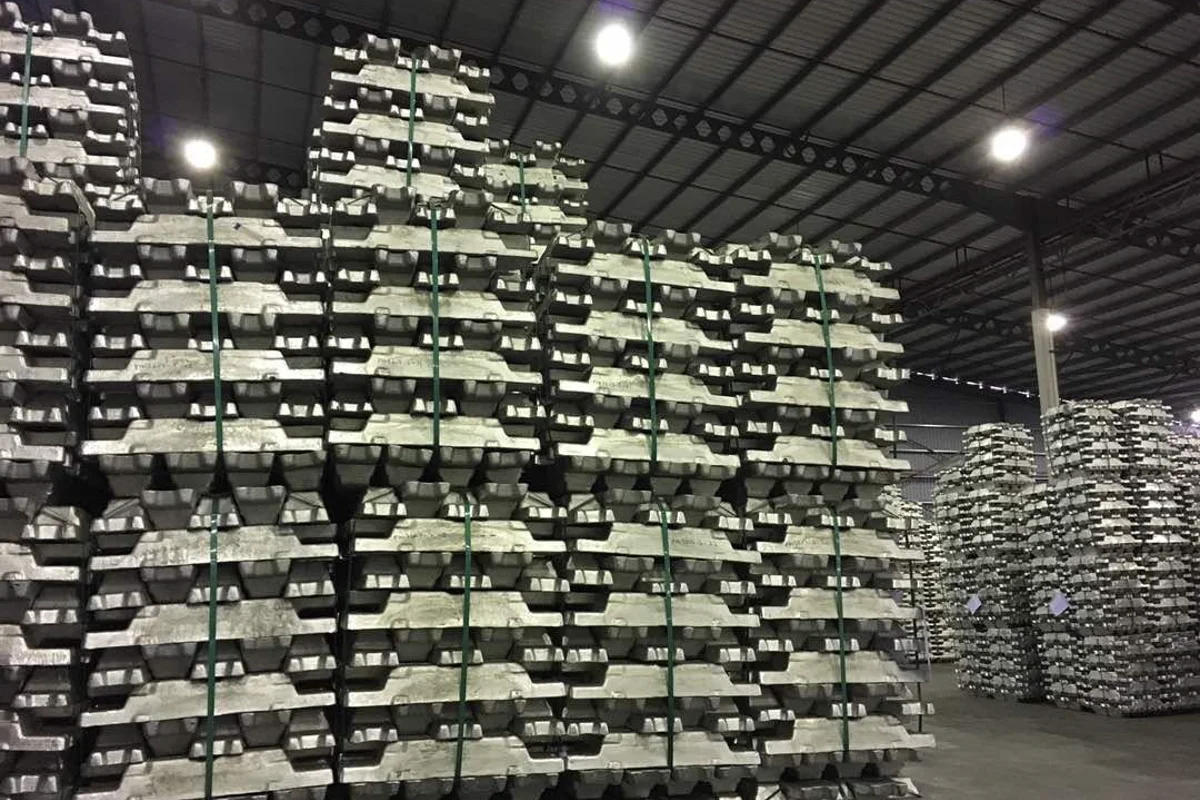
Japan’s aluminium industry is import based and it has stopped producing primary metal altogether shifting its focus towards value added applications and in secondary aluminium recovery. The country is Asia's top importer of aluminium and the premiums for primary metal shipments it agrees to pay each quarter over the London Metal Exchange cash price set the benchmark for the Asia region.
The two major aluminium product manufacturers in Japan are Kobe Steel and Aluminium and UACJ Corporation who make aluminium plates, pre coated sheets and various rolling products for value added applications. Most of end-users keep annual purchase volume of aluminium unchanged to secure stable supply to their production plants. The country imports a large volume of aluminium (alloyed and non-alloyed) to feed their semi-finished plants.

Japan follows a growing trading pattern for the import of aluminium. In the year 2018, imports of aluminium (non-alloyed) stood at 1,59 million tonnes. The import of alloyed aluminium stood at 1.28 million tonnes for the same year. Total aluminium import added up to about 2.9 million tonnes in 2018. In the year 2017, imports of aluminium (non-alloyed) stood at 1,57 million tonnes and the import of alloyed aluminium stood at 1.26 million tonnes adding up to a total aluminium import of 2.8 million tonnes. The volume increased about 2.83% YoY. The increase in import is because of the growing consumption by domestic producers.
For the first quarter of 2019, Japan imported about 625,000 tonnes of aluminium (alloyed and non-alloyed), a drop of 11.7% from 708,000 tonnes in the first quarter of 2018. This may indicate a drop in consumption in the first quarter of the year.
In the year 2018 total aluminium demand stood at 4.28 million tonnes, up about 0.7 % 4.25 million tonnes, mostly driven by transport, electrical and communication sector. Our data for aluminium import by Japan for last two years also indicate an upward trend. It is yet to be seen how demand and import tend to grow in 2019, after the lifting of tariffs on Canada and possible auto tariffs on Japan.
Capacity cut news in Henan supported SHFE aluminium yesterday; LME remained closed on Monday
Next articleTadweer acknowledges EGA for its successful and cost-effective recycling model
Grow with
AL Circle