Jaguar Land Rover forms new alloy using recycled aluminium to cut carbon emissions by up to 26%

According to a recent report, Jaguar Land Rover said that it could reduce carbon emissions by up to 26 per cent through its ongoing REALITY programme, an aluminium recycling programme aimed at reusing the metal recovered from existing JLR vehicles to produce new cars.
Engineers working on REALITY aluminium recycling project could form a new and tested prototype aluminium alloy by using recycled aluminium material mixed with a lower amount of primary aluminium.
This material, according to the British multinational automotive company, is comparable to the existing grade and quality it uses and has the potential to cut alloy product CO2 emissions by up to 26 per cent.
JLR’s lead project manager for REALITY Gaëlle Guillaume said: “This project has allowed us, for the first time, to recover premium automotive-grade aluminium from scrapped vehicles and re-use its unique properties. The potential of this on the production process is a reduction in CO2 impact as well as helping us re-use even more aluminium.
“As we move into an autonomous, connected and electrified future, with the potential of shared fleets being de-commissioned en masse, it could allow Jaguar Land Rover to engineer this closed-loop recycling alloy into tight production schedules to further improve efficiency and environmental benefits,” he added.
_0_0.gif)
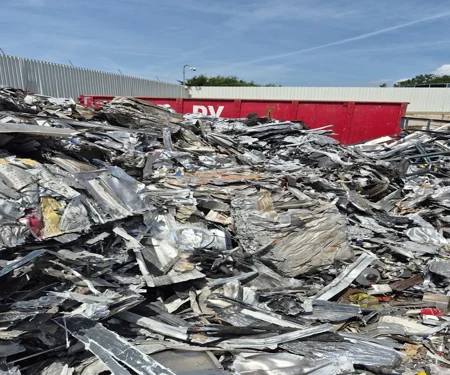
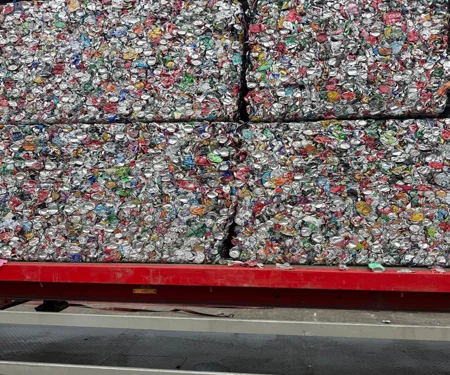
JLR is using pre-production Jaguar I-PACE electric vehicle (EV) prototypes for this project. The vehicles, after the batteries being removed, enter a second-life process, while the scrap from the vehicles is sorted and separated, and aluminium melted and reformed.
Between September 2013 and March 2020, JLR reused around 360,000 tonnes of scrap back into vehicles.
Peru’s export of Aluminium scrap reveals growth during 2017-20, remains underrated
Next articleLatvia’s export of Aluminium scrap exhibits unsteady market during 2017-20
Grow with
AL Circle