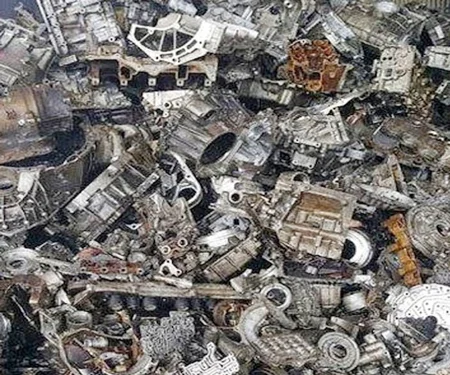
ITS students transform used aluminium into cutting-edge renewable energy source
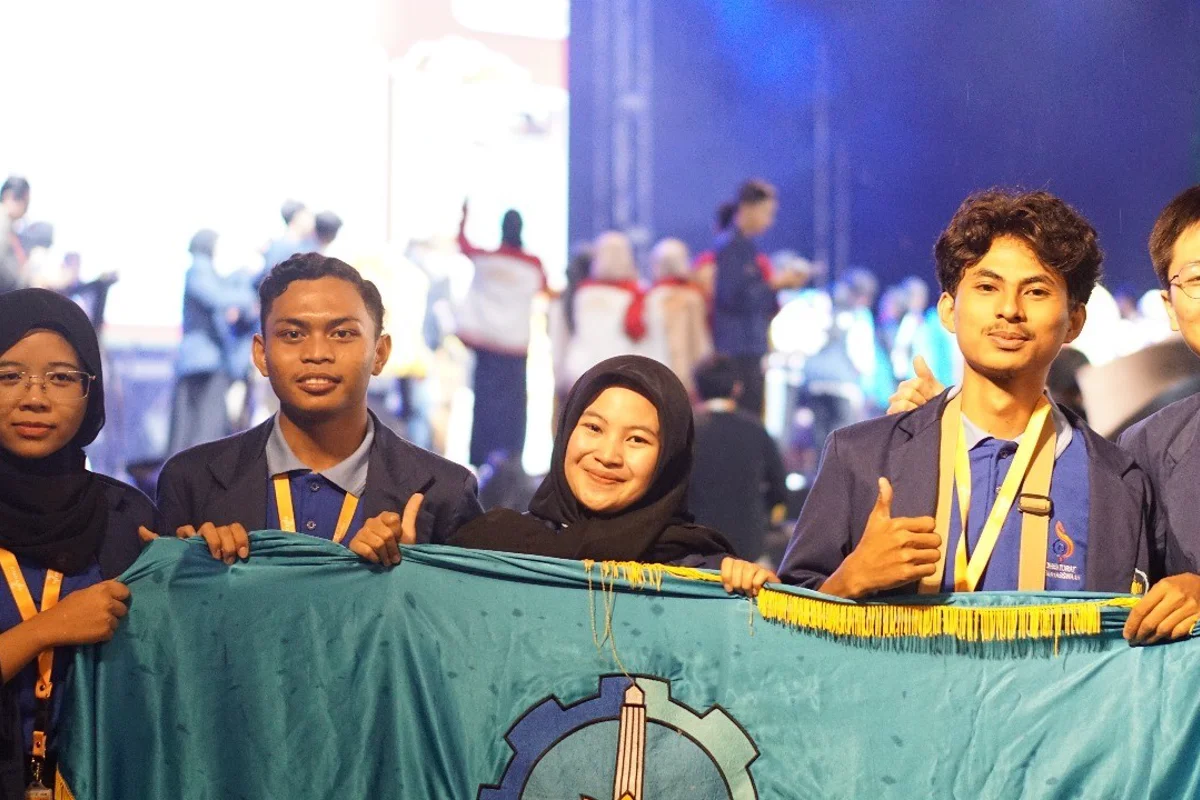
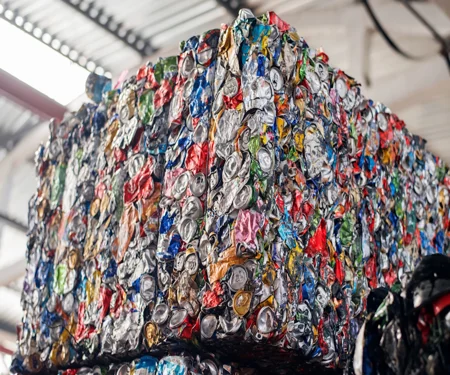
A group of innovative students from the Sepuluh Nopember Institute of Technology (ITS) has achieved a breakthrough by transforming used aluminium into a sustainable energy source. M Rizki Akbar, the leader of the ITS PKM-RE team, shared that his inspiration for this research stemmed from his concern about the accumulation of cans and used aluminium foil in the laboratory.
Known by the nickname Kiba, this student highlighted the significance of the pre-treatment phase in obtaining clean aluminium metal that is free from impurities. A 60-second pre-treatment revealed that 0.5 grams of aluminium cans could generate an impressive 233.93 milliwatts of electrical power. In stark contrast, untreated aluminium cans only yielded a mere 29.78 milliwatts.
Through their participation in the Exact Research Student Creativity Program (PKM-RE), the team delved into the impact of pre-treating aluminium metal on generating electrical power. Hailing from the ITS Engineering Physics Department, the students embarked on an innovative research project titled "The Effect of Pre-Treating Aluminum Waste Using HCl/Na2MoO4 Solution on Increasing the Rate of Hydrolysis in Hydrogen Production for Fuel Cell Applications."
This initiative aimed to address challenges within the laboratory environment. This study was conducted at the ITS Advanced Functional Materials Laboratory and focused on investigating the impact of aluminium pre-treatment with hydrochloric acid and sodium molybdate on the hydrogen production rate. The process involved the hydrolysis reaction within aluminium, resulting in hydrogen gas generation. Subsequently, this gas was converted into electrical energy utilizing a device known as a Proton-exchange Membrane (PEM) fuel cell.
How clean aluminium metal can be obtained?
Guided by their supervisor, Dr Ing Doty Dewi Risanti ST MT from the ITS Engineering Physics Department, the team successfully illuminated a small lamp for 40 minutes using 4 grams of aluminium cans. Kiba concluded that this research holds the potential to evolve into a promising renewable energy source in the future, provided there is improved processing and the elimination of hazardous chemicals.
The research conducted by the ITS PKM-RE team has garnered significant recognition, securing victory at the 36th National Student Science Week (Pimnas) held in November 2023. The team achieved a commendable feat by clinching two medals—a silver medal in the poster category and a bronze medal in the presentation category. This remarkable success is a source of pride for the team as they have effectively showcased the excellence of their alma mater on the national stage.
The ITS PKM-RE team's research serves as an exemplary instance of innovation with the potential to address waste reduction. Beyond that, the innovation contributes to the development of renewable energy sources. The hope is that this breakthrough can solve environmental and energy challenges in Indonesia.
Sustainability weekly recap: China-based aluminium profile manufacturer wins green factory recognition, Norwegian giant joins FMC's green supplier database
Next articleIIT Madras researchers demonstrate successful utilisation of aluminium scrap to produce green hydrogen
Grow with
AL Circle