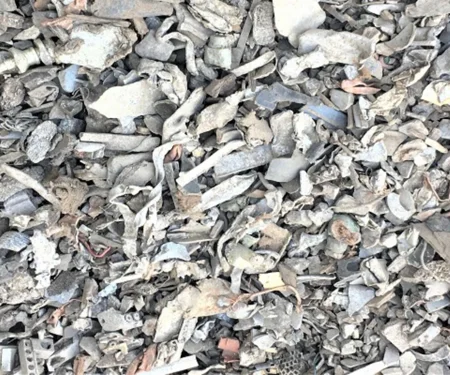
ISRO looking at locally procured aluminium and beryllium alloys for future space missions
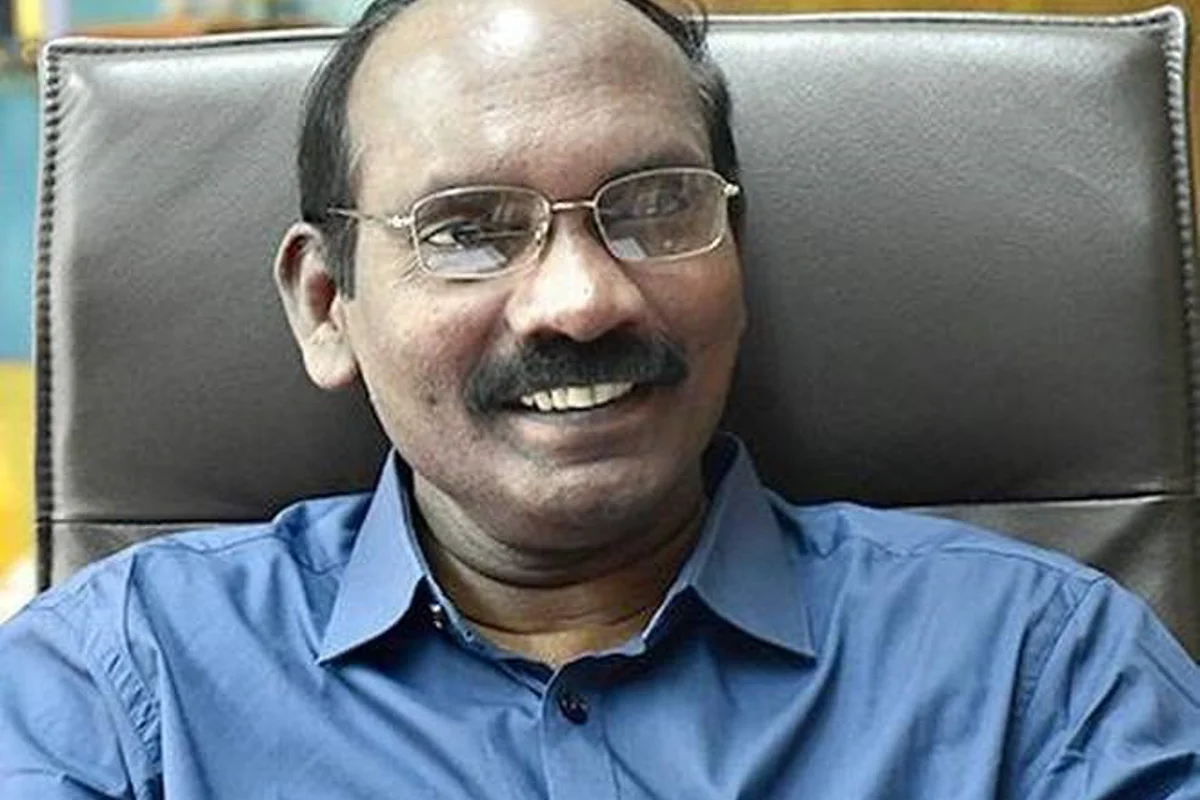
Indian Space Research Organisation (ISRO) chairman K. Sivan called for a national effort to develop and produce advanced alloy materials to cater to the demands of future space programme. He said this during a lecture organized by Indian Institute of Metals and the Indian Institute of Science.
He said that the ISRO is researching on developing materials with extraordinary properties, such as aluminium and beryllium alloys and carbon nanotubes. The organization will require such materials for the upcoming space missions such as the Human Space Programme (HSP), the Reusable Launch Vehicle (RLV), distant single-stage launchers etc. ISRO, he said, is focussing on domestically developed material in order to cut down on imports and lower the programme costs.
“In recent years, ISRO has indigenised a large number of materials that are hard to get. This has reduced the import content from around 32% to 8% now,” Dr. Sivan said.
Over the years, ISRO has localised procurement of steel, many aluminium alloys, composites, chemicals, coatings and high temperature items. ISRO is now concentrating on aluminium and beryllium alloys which are suitable for making smaller structures. They also require carbon composites for making the nose cone of the RLV; and carbon nanotubes for fuel tank systems and silica alternatives for thermal tiles. Next-generation semicryogenic launchers and smaller future satellites will need them. He urged the metal Industry in India to leverage on the need and take it forward in an aggressive way.

Much of ISRO’s materials research is conducted at VSSC, the rocket development centre. The center in collaboration with Kerala Metals and Minerals Ltd has erased ISRO's import of 200-300 tonnes of titanium sponge each year since 2015, generating significant cost savings.
Siemens to use aluminium alloy from thyssenkrupp Schulte for its new cooling fan blades
Next articleHarley steals the show with its aluminium-subframed new FXDR performance cruiser
Grow with
AL Circle