Israel imposes five-year anti-dumping duties on Chinese aluminium profiles and tubes

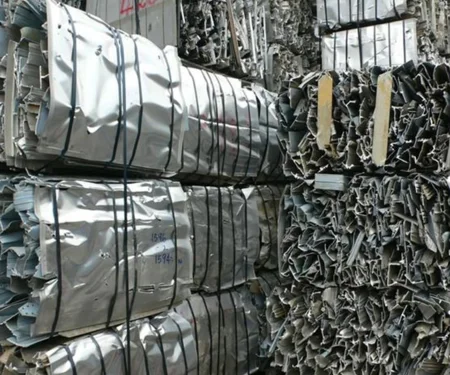
Israel has taken a major step to protect its aluminium industry by imposing anti-dumping duties on imports of aluminium profiles and tubes from China for the next five years. The decision, announced by Minister of Economy and Industry Nir Barkat, follows an investigation that concluded Chinese exporters were selling products in Israel at unfairly low prices and harming domestic producers.
The move was based on findings compiled by Trade Duties Commissioner Danny Tal and reviewed by the advisory committee at the ministry. Their conclusion was clear: dumping practices were distorting the market and creating real damage for Israeli manufacturers.
Anti-dumping duties are hardly unusual in global trade. Anchored in World Trade Organization rules, they have become one of the most widely used defensive tools countries rely on to protect fair competition. Israel’s Import Administration notes that between 100 and 150 new investigations are launched around the world every year, and China remains the most frequently examined exporter by a wide margin.
Over the past several years, the numbers have only risen. Since 2018, growing global overcapacity - particularly in metals, aluminium and heavy industry - has prompted more probes and more duties. The United States now has hundreds of anti-dumping and countervailing measures in force, while the European Union is running dozens of cases of its own, many involving levies that reach into the double or even triple digits.
Other open-economy countries, including Canada, the United Kingdom and Australia, also deploy such measures regularly, using them as part of their broader effort to keep competition fair while preventing local industries from being undercut.

Imo Government restores the historic aluminium plant after years of abandonment
Next articleMarket trends, policy signals and innovation together suggest a recalibration within the global aluminium downstream industry
Grow with
AL Circle