Amidst the chances of importing from intensively limited sources, the European Union (EU) is reconsidering banning Russia as its aluminium supplier.
Small and medium-sized business entities, which rely on close to 70 per cent of turnover and 92 per cent of employment in the European aluminium sector, dissolve within a short period; simultaneously, prices spike roof-high due to the demand-supply gap.
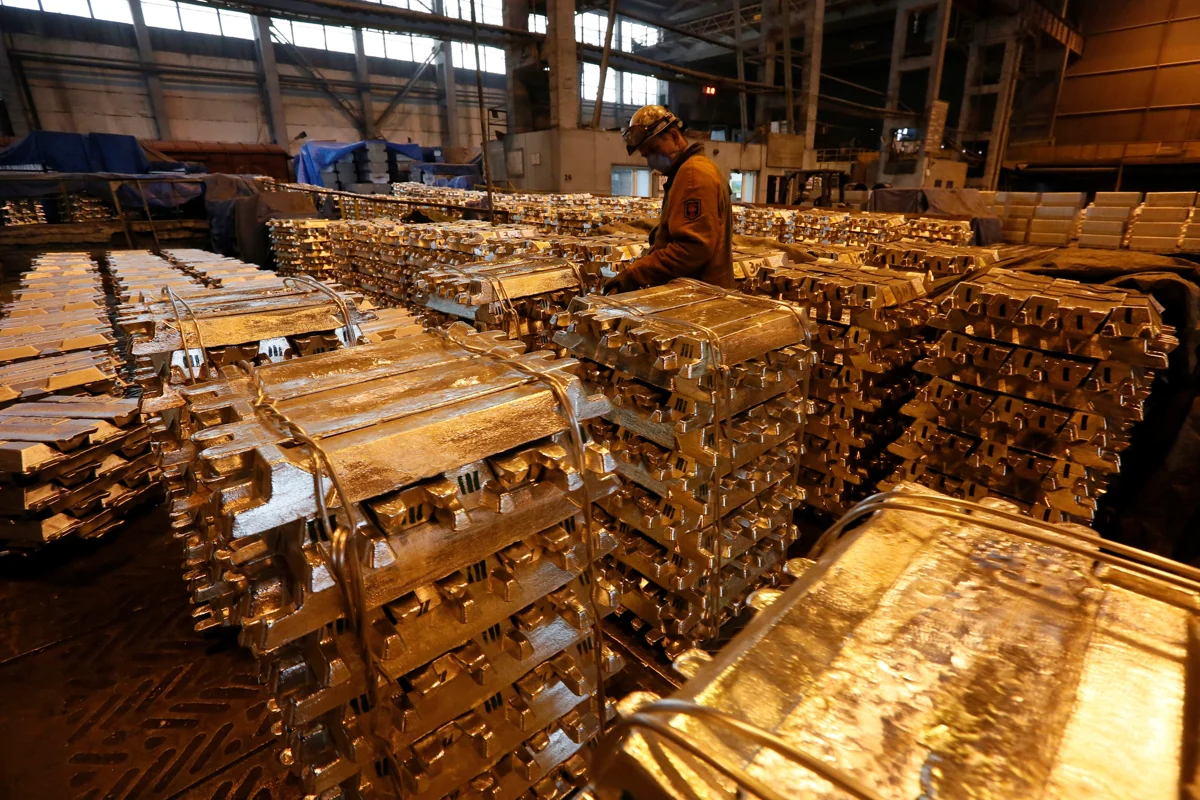
The European Union imports over 90 per cent of its aluminium, of which 8-9 per cent comes from Russia. Speculations about a probable ban on low-carbon aluminium from Russia to the European market have, in the meantime, pushed prices up by 15 per cent so far this year, and prices are forecasted to rise in a steep graph if the ban is imposed.
Based on the geopolitical tension between Ukraine and Russia since 2014, the EU has put a stop to numerous travel and business transactions for almost 10 years phase by phase, with the export-focused economy, Russia. However, the decision for the aluminium trade faced lag and is considered to be reviewed again, all with good reasons.
As Russia's prosperous economy comes from humungous exports of commodities, overall business cancellations might create just the right proportions of economic pressure on the country to reconsider war with Ukraine.
The EU has earlier also embraced sanctions against Iran, Belarus, and North Korea in response to their backing for Russia in the military attack against Ukraine.
But will these tactics really work with Russia?
The European Union has banned aluminium wire, foil, tubes, and pipes from Russia. Nonetheless, the major portion of exports, including primary metal, which accounts for 85 per cent of Russia's total aluminium exports, remain outside the scope of the measure, according to European Aluminium.
Conversely, the EU competes with the United States (US), which has also choked off Russian supplies. Both are looking at the Middle East as an alternative exporter. EU imports of aluminium from the Middle East in 2023 were nearly 1.2 million tonnes (18.8 per cent) of the total EU aluminium imports, while the US imported more than 800,000 tonnes (19.3 per cent) of imports. Regardless, the Middle East can’t match Russia for volumes, and reportedly, the available aluminium supplies have already been contractually committed.
Has the EU thought this through?
Without Russia, the carbon footprint of the EU’s imported aluminium will rise drastically, potentially jeopardising the EU’s climate goals to cut down carbon as a part of the EU’s Green Deal and the impending Carbon Border Adjustment Mechanism (CBAM).
The leading production company, RUSAL, has now shifted its export patterns, with exports to China tripling over the past three years. Russian exports to the EU in 2023 were about 0.5 million tonnes. On the contrary, according to business sources, the Chinese aluminium market has a deficit of about 1 million tonnes. Russian aluminium is attractive to Chinese buyers because it is low carbon, reducing the carbon content of Chinese products, such as autos, which seek to increase market share in the EU.
What happens as Russia finds an alternative?
China is a dominant player in the production of many essential critical and strategic minerals. A closer relationship between China and Russia on aluminium could make the deal more difficult for the EU itself, with countries procuring vital and strategic materials. Russia stands a chance to take priority over other areas, such as the EU and the USA, in securing critical materials from China, potentially altering the geopolitical landscape.
In 2023, China imported nearly 2.675 million tonnes of aluminium, around 50 per cent of which was imported from Russia, and the import is expected to rise in 2024. Imports of Russian-brand aluminium summed up to 1,239,000 tonnes in 2023, up from 519,000 tonnes in 2022, with a total of 46 per cent of China's total primary aluminium imports. The numbers above were disclosed by China’s Customs Statistics.
The above trends indicate a significant deepening of business ties between Russia and China across various industries, including alumina and aluminium. Furthermore, EU sanctions on Russian aluminium are projected to have a negligible effect on the Russian energy sector. Despite the growth in Russian Aluminium’s production and sales in 2024, the company’s energy consumption, which could be affected by EU sanctions, is a small fraction of its total usage.
Profit from aluminium sales has dropped but due to the ongoing hurdles in the industry, and this is also true for Russia. Estimates show that the tax taken from aluminium producers in Russia is hardly significant for the state budget. Given that Russia will most likely find other markets for its aluminium, a price hike in the market caused by sudden sanctions could help increase Russian Aluminium’s revenue and profits.
In a time of worldwide inflation, economic apprehension, and the urgency to preach environmental goals, especially when the world is preparing for the COP29 summit in Azerbaijan, the EU is walking a tightrope between the need to increase the sanctions strain on Russia while at the same time moving forward with its climate goals and keeping its economy and domestic firms unharmed and must decide fast to achieve prioritised goals.













_md.webp)








