Ireland says alumina export controversy will not overshadow EU presidency
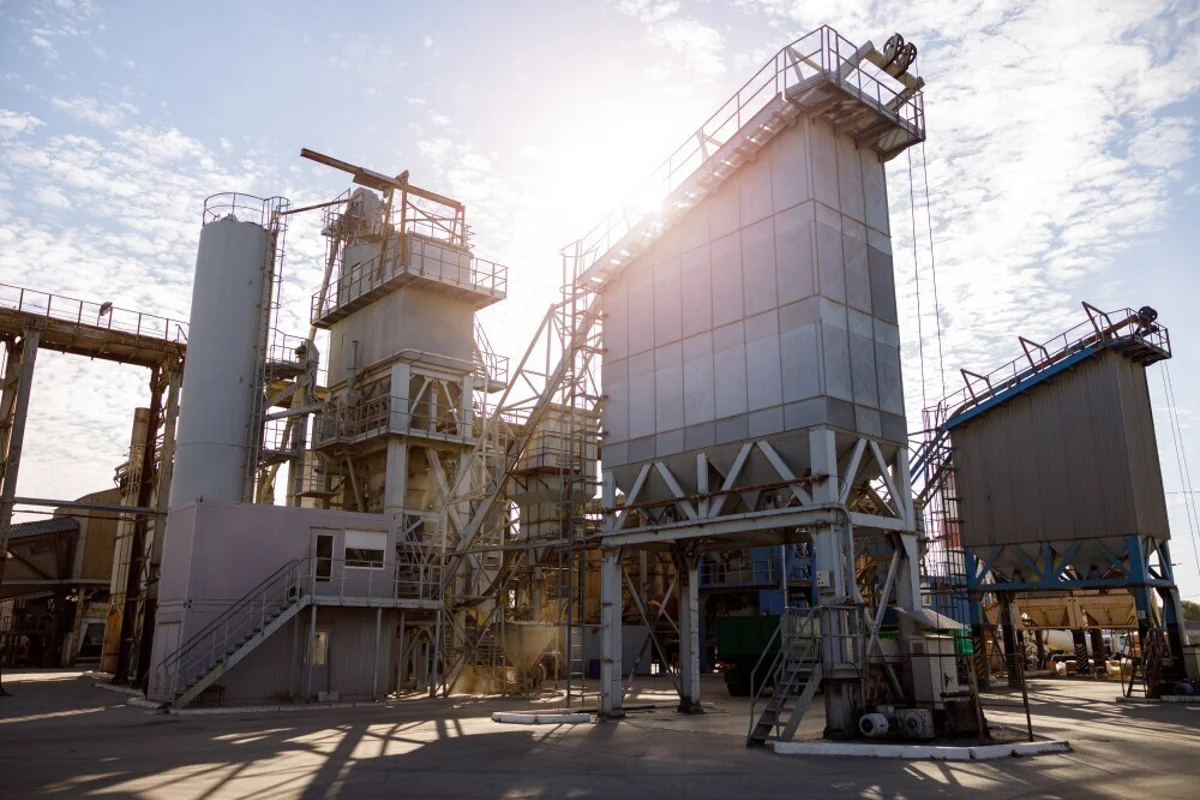
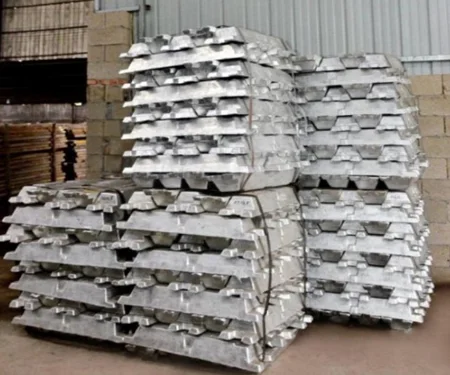
Stock image for referential purposes only
Ireland's Minister of State for European Affairs, Thomas Byrne, has rejected suggestions that the controversy over alleged alumina exports from Aughinish Alumina in Limerick to Russia has overshadowed the start of Ireland's Presidency of the Council of the European Union.
Speaking in Strasbourg, Byrne said the issue was on the European agenda but was not dominating discussions, despite Ukrainian President Volodymyr Zelensky raising concerns during the opening ceremony of Ireland's EU presidency at Dublin Castle.
His comments came after the European Parliament approved a non-binding motion calling for alleged alumina exports from the European Union to Russia to be included in future sanctions. While the amendment did not specifically mention Aughinish Alumina, it was intended to encourage the European Commission to consider such exports in future sanctions packages.
The amendment received support from Fine Gael MEPs Seán Kelly, Regina Doherty, Maria Walsh and Nina Carberry, as well as Labour MEP Aodhán Ó Ríordáin and Sinn Féin MEP Lynn Boylan. However, Fianna Fáil MEPs Billy Kelleher, Barry Andrews, Barry Cowen and Cynthia Ní Mhurchú abstained from the vote.
Explore: The most comprehensive and forward-looking industry-focused report – Global Bauxite & Alumina Market Forecast to 2036: Supply–Demand, Trade Flows & Price Outlook
Responding to criticism, Byrne said it was "not embarrassing" that President Zelensky had raised the issue, adding that the Ukrainian leader was defending his country while also recognising Ireland's continued support for Ukraine. Byrne said the Irish Government would take seriously the findings of its ongoing investigation into the refinery's operations and allegations that alumina produced at the plant is reaching Russia's military industry. He added that the inquiry is expected to conclude within weeks and will help guide future government actions.
Barry Andrews described the delay in completing the Department of Enterprise investigation as "frustrating", stating that if allegations against the refinery are confirmed, Ireland should work with European partners to halt such exports and redirect supply chains. He added that nationalising the company should remain an option if necessary, alongside EU support to secure raw material supplies for the refinery.
Billy Kelleher defended his decision to abstain, arguing that sanctioning the refinery could harm the European Union because Aughinish Alumina is estimated to account for around 40 per cent of the bloc's alumina production. While condemning Russia's actions, he said the EU should avoid measures that would damage its own industrial supply chain.
Barry Cowen also said he abstained because the government's investigation had not yet concluded, arguing that decisions with significant employment implications should not be based solely on media reports.
Seán Kelly said the amendment approved by the European Parliament did not identify any individual company and stressed that, regardless of the investigation's outcome, both the Irish Government and the EU should ensure the refinery remains commercially viable while protecting the jobs of its workforce.
Meanwhile, Aodhán Ó Ríordáin criticised the abstentions by Fianna Fáil MEPs, accusing the government of applying double standards in its support for Ukraine while the refinery, which employs more than 500 people in Limerick, remains under scrutiny.
MECON completes conveyor trial for NALCO's alumina refinery expansion in Odisha
Next articleEGA restarts alumina production at Al Taweelah refinery in Abu Dhabi
Grow with
AL Circle