Iran conflict poses a $5 billion cost pressure on US automakers
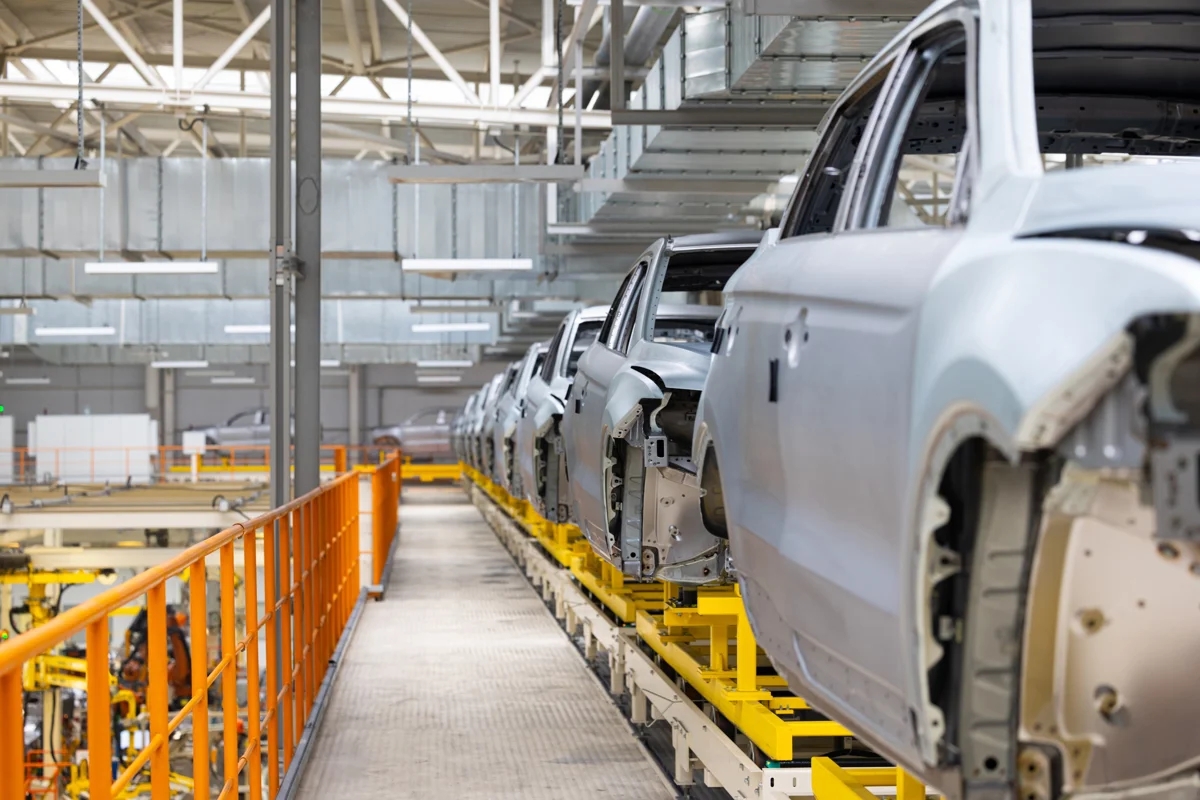
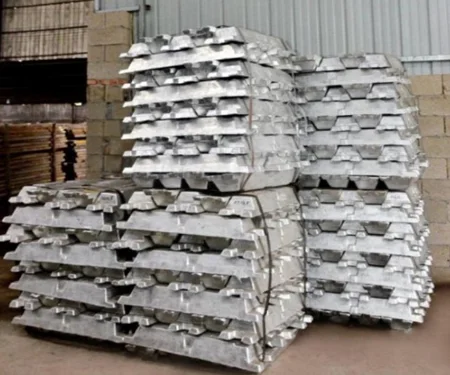
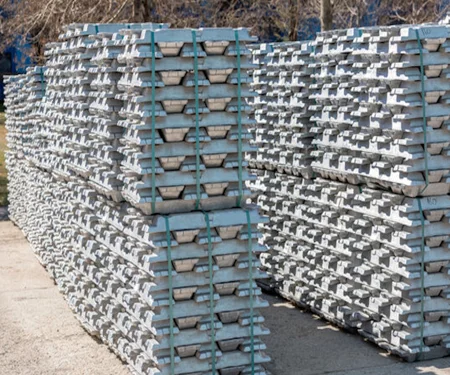
Stock image for referential purposes only
America’s three largest car manufacturers are bracing for a costly year, warning that rising commodity prices linked to the conflict in Iran could add roughly USD 5 billion to their costs. The disruption has tightened supplies of key materials such as aluminium and plastics, and may ultimately push up vehicle prices later in 2026.
During last week’s first-quarter earnings updates, General Motors, Ford and Stellantis all pointed to mounting input costs. They highlighted pressures across logistics, energy, aluminium and DRAM memory chips as contributing factors.
General Motors has revised its forecast for commodity inflation in 2026 upwards, now expecting it to fall between USD 1.5 billion and USD 2 billion, compared with its earlier estimate of USD 1 billion to USD 1.5 billion. Chief Executive Mary Barra told investors that the conflict in Iran has already driven up costs and remains unpredictable in duration, adding that the company intends to counterbalance these pressures by reducing spending elsewhere.
Ford, meanwhile, anticipates commodity-related challenges exceeding USD 2 billion this year - around USD 1 billion more than it had previously projected. This figure excludes the impact of last year’s fires at its main aluminium supplier, Novelis. Chief Financial Officer Sherry House linked the increase to global shortages of aluminium and steel, exacerbated by instability in the Middle East.
Stellantis, which owns brands including Chrysler, Jeep and Peugeot, reported that it was largely protected during the first quarter through hedging strategies. However, it estimates that if current pricing persists, raw material costs could rise by about €1 billion (approximately USD 1.18 billion) in 2026.
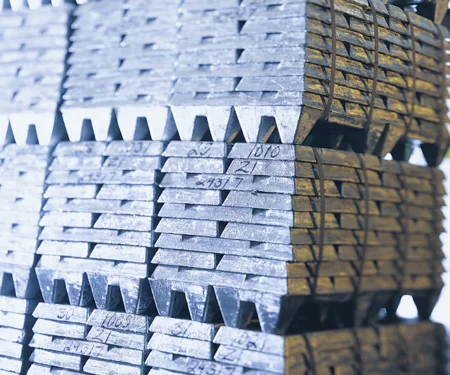
At the centre of the issue is aluminium. Industry analysts report that Iranian strikes on March 28 struck major facilities in Abu Dhabi and Bahrain, removing roughly 3 million tonnes of annual production capacity. Prices reacted sharply: three-month aluminium futures on the London Metal Exchange climbed to a four-year peak of nearly USD 3,492 per tonne by 30 March. In the United States, buyers have also faced record Midwest premiums, compounded by a 50 per cent Section 232 tariff that has been in place since June 2025. According to the Financial Times, LME prices have risen by as much as 16 per cent since the conflict began.
Don't miss out- Buyers are looking for your products on our B2B platform
The escalation traces back to February 28, when US and Israeli airstrikes targeted Iran. Tehran responded by effectively shutting down the Strait of Hormuz, a critical route for around one-fifth of the world’s oil and gas supply. The U.K. Royal Navy reports that shipping traffic through the passage has fallen by more than 90 per cent.
Although a ceasefire between the United States and Iran was announced on April 7 and extended for a further two weeks, it has not resolved the underlying tensions. Since April 13, Iranian ports have also been subject to a US naval blockade.
The financial strain from commodities is comparable to the USD 6 billion impact the major automakers expect from US tariffs, according to the Financial Times. Earlier this year, on February 20, the Supreme Court overturned former President Donald Trump’s “liberation day” tariffs in a 6–3 decision, potentially paving the way for refunds. However, Section 232 duties on steel and aluminium remain in force.
Adding to the uncertainty, Trump announced on Friday that tariffs on cars and trucks built in the European Union would rise to 25 per cent next week, citing what he described as the bloc’s failure to meet the terms of last year’s trade agreement.
So far, many manufacturers have been shielded by fixed-price supplier contracts and hedging arrangements. Analysts caution, however, that these protections will weaken if the conflict continues, increasing the likelihood that higher costs will eventually be passed on to consumers.
Aluminium restoration of iPhone 17 Pro Max chassis showcased in a Chinese video leak
Next articleAISTER bags $4.3M contract to build an aluminium catamaran for Saint-Pierre et Miquelon
Grow with
AL Circle