4-Traders
International aluminium aerosol can industry achieved production record of 6.93 billion cans in 2012
Edited by : AL CIRCLE
3 min read
Following several years of solid growth the international aluminium aerosol can industry achieved another production record of 6.93 billion cans in 2012, and prospects for 2013 are also satisfactory. What are the reasons for this striking success and what makes the aluminium aerosol can so unique compared to other competing packaging formats?
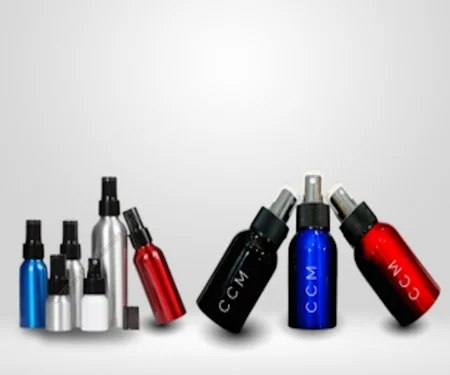
First of all aluminium aerosols are extremely attractive from the marketing point of view. The flexible impact extrusion technology allows the production of full-body-shaped and embossed containers with all kinds of shoulder types. Underpinned by innovative, photo-realistic printing designs the shaping options lead to an utmost shelf impact which ensures brand recognition paving the way for a sustainable brand loyalty.
Another asset is the excellent barrier properties which differentiates the aluminium container from non-metal packaging. Aluminium is acknowledged as absolute barrier preventing any negative influences on the container's contents from the outside.
Due to its unique barrier and material properties aluminium cans are high-performing allrounders being able to cope with all kinds of propellants and fillings. They are mainly used for body care products such as deodorants, hair care products and shaving foams. But also household, pharmaceutical and food products have nicely developed in the last few years. In this context non-metal aerosol cans currently are niche products limited to a few propellants and fillings, significantly narrowing the field of application.
Especially when it comes to sustainability, aluminium packaging can be infinitely recycled without any loss of quality, and downcycling is not an issue. In 2012 the European Parliament acknowledged metal (i.e. aluminium and tinplate) as permanent materials which differentiates them from other materials. Used aluminium packaging which can be easily sorted from the packaging waste stream thanks to the eddy current technology reaches a recycling rate of 55% in Europe. On top of that the high scrap value of aluminium makes the aluminium can which is made of high-purity aluminium a strongly demanded material.
Apart from these environmental, functionality- and market-related aspects also safety requirements play a vital role when it comes to pressure packs such as aerosol cans. Due to its material properties and the monobloc (one piece) technology aluminium cans offer a very limited point of attack for potential defects.
Aerosol dispensers in general have to meet the provisions of the Aerosol Dispensers Directive 75/324/EEC and international transport regulations (ADR, UN Model Regulations). On top of that customers are asking can manufacturers for a guarantee that the packaging is stable for a period of up to three years. These provisions are indispensable to ensure the safe handling and use of aerosol containers along the supply chain.
Thus, multi-functional aluminium aerosols live up to the most demanding marketing, environmental and safety requirements. Their unique assets give them a competitive edge and herald a bright future of this convincing packaging format to the benefit of customers and consumers alike.
Previous article
Alcoa's breakthrough automotive bonding technology named aluminum industry's best
Next articleJaguar invests $2.3bn in new vehicle design
Grow with
AL Circle