Financial Times
Industrial metals decline due to Chinese export concerns
Edited by : AL CIRCLE
3 min read

Industrial metals from copper to zinc fell again on Wednesday, buffeted by a strengthening US dollar and nagging concerns about China.
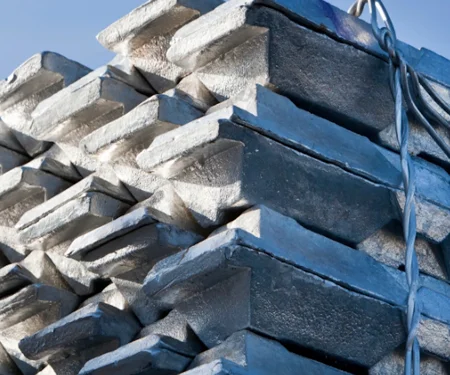
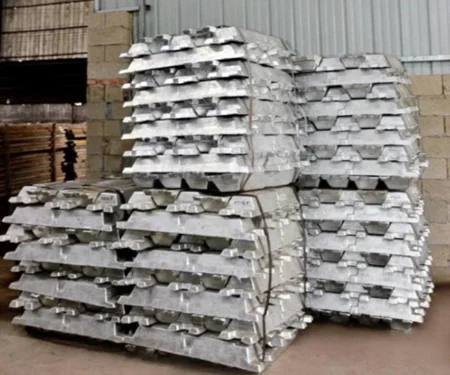
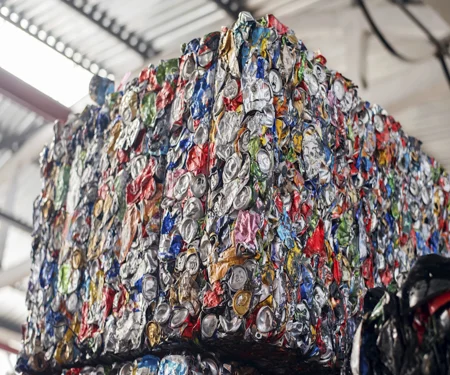
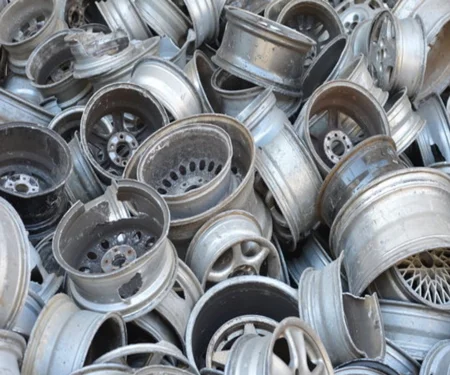
Aluminium, a lightweight metal used in everything from aeroplane bodies to drinks cans, was among the fallers.
It dropped to a fresh six-year low after the Ministry of Industry and Information Technology said China would deal with excess capacity in its aluminium industry by exporting it to the rest of the world.
On Wednesday, aluminium for delivery in three months on the London Metal Exchange hit $1,651 a tonne before recovering to end $4 lower at $1,658.
Although Chinese aluminium consumption is forecast to grow by more than 9 per cent, this output is growing at a faster pace, according to Alcoa, one of the world’s biggest producers.
Data from China’s National Bureau of Statistics, released earlier this week, showed China domestic primary aluminium output had surged by 18 per cent year-on-year to a record 2.8m tonnes.
Rather than rationalise its oversupplied domestic market by closing ageing or lossmaking smelters, China is exporting increasing amount of aluminium in the form of semi-manufactured products, which are eligible for tax rebates.
In June, net “semi” exports jumped to 370,000 tonnes, a 57 per cent increase on the same month a year ago.
“The continued outflow of aluminium from China is quickly pushing what was a relatively tight mark into surplus,” said Daniel Hynes, analyst at ANZ. “When combined with worrying signs of weak demand outside of China, prices are likely to remain under pressure in the coming months.”
The surge in exports has drawn of the ire of producers in the rest of the world who claim that much of the metal being exported has only been minimally processed so that it qualifies for tax rebates.
Alcoa has called them “fake semis” and claims they are key driver of the 10 per cent fall in aluminium prices this year.
Elsewhere, copper sank $89.50 to $5,364 a tonne — also a six-year low — while nickel dipped $195 to $11,470 and zinc fell back $35 to $2,003, partly on continued worries about demand growth in China.
China accounts for least 40 per cent of demand in industrial metal and concerns that its economy could suffer a hard landing have intensified by the recent stock market rout.
The strength of the US dollar has been another headwind for industrial metals, said traders.
“Sentiment towards commodities as an asset class has rarely, if ever, been more negative,” said Capital Economics.
The decline in metal prices has weighed heavily on mining companies where four of the 10 biggest fallers in the FTSE 100 on Wednesday were miners.
BHP Billiton, the world’s biggest mining company by market value, was the worst performer, falling 71.5p to £11.80.
Anglo American was also under pressure, falling more than 5 per cent to a 13-year low of 813p.
Many analysts think the company will cut its dividend when it reports half-year results on Friday. Rio Tinto, a large aluminium producer, fell 94.5p to £25.02.
Aluminium, a lightweight metal used in everything from aeroplane bodies to drinks cans, was among the fallers.
It dropped to a fresh six-year low after the Ministry of Industry and Information Technology said China would deal with excess capacity in its aluminium industry by exporting it to the rest of the world.
On Wednesday, aluminium for delivery in three months on the London Metal Exchange hit $1,651 a tonne before recovering to end $4 lower at $1,658.
Although Chinese aluminium consumption is forecast to grow by more than 9 per cent, this output is growing at a faster pace, according to Alcoa, one of the world’s biggest producers.
Data from China’s National Bureau of Statistics, released earlier this week, showed China domestic primary aluminium output had surged by 18 per cent year-on-year to a record 2.8m tonnes.
Rather than rationalise its oversupplied domestic market by closing ageing or lossmaking smelters, China is exporting increasing amount of aluminium in the form of semi-manufactured products, which are eligible for tax rebates.
In June, net “semi” exports jumped to 370,000 tonnes, a 57 per cent increase on the same month a year ago.
“The continued outflow of aluminium from China is quickly pushing what was a relatively tight mark into surplus,” said Daniel Hynes, analyst at ANZ. “When combined with worrying signs of weak demand outside of China, prices are likely to remain under pressure in the coming months.”
The surge in exports has drawn of the ire of producers in the rest of the world who claim that much of the metal being exported has only been minimally processed so that it qualifies for tax rebates.
Alcoa has called them “fake semis” and claims they are key driver of the 10 per cent fall in aluminium prices this year.
Elsewhere, copper sank $89.50 to $5,364 a tonne — also a six-year low — while nickel dipped $195 to $11,470 and zinc fell back $35 to $2,003, partly on continued worries about demand growth in China.
China accounts for least 40 per cent of demand in industrial metal and concerns that its economy could suffer a hard landing have intensified by the recent stock market rout.
The strength of the US dollar has been another headwind for industrial metals, said traders.
“Sentiment towards commodities as an asset class has rarely, if ever, been more negative,” said Capital Economics.
The decline in metal prices has weighed heavily on mining companies where four of the 10 biggest fallers in the FTSE 100 on Wednesday were miners.
BHP Billiton, the world’s biggest mining company by market value, was the worst performer, falling 71.5p to £11.80.
Anglo American was also under pressure, falling more than 5 per cent to a 13-year low of 813p.
Many analysts think the company will cut its dividend when it reports half-year results on Friday. Rio Tinto, a large aluminium producer, fell 94.5p to £25.02.
Unlock full access – sign up for FREE.
Key benefits
Find exclusive data-driven insights and in-depth analysis
Get our daily newsletter delivered straight to your inbox
Access real-time and historical price trends from global indices
Post and respond to latest business leads
Stay ahead with alerts on learning tools
...and so much more!SIGN UP / LOGIN
Previous article
Primary aluminum market in deficit during Jan - May 2015, reveals WBMS
Next articleNoranda delays smelter upgrades due to aluminum price rout
Grow with
AL Circle