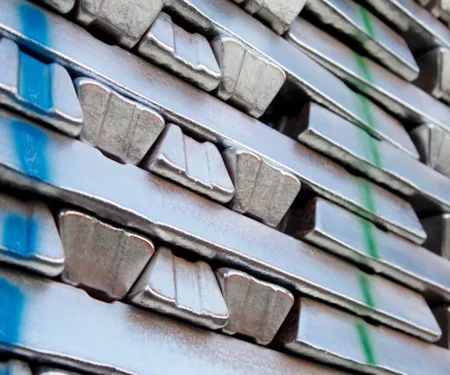
Indonesia, with its rich deposits of critical minerals, stands poised at the forefront of the global supply chain, particularly in the burgeoning electric vehicle (EV) market. The 2024 US Geological Survey report underscores Indonesia's dominance, placing it first worldwide in nickel reserves, which are crucial for EV batteries.
Additionally, Indonesia ranks among the world's top tin producers, an essential component in smartphone manufacturing. Beyond nickel and tin, Indonesia's mineral wealth includes significant deposits of cobalt, bauxite, and copper.
Indonesia has trade restrictions on bauxite and nickel. In 2020, the nation prohibited the export of nickel, and in 2023, it banned the export of bauxite. Indonesia has previously planned to impose a ban on exports of copper concentrate beginning on June 1. But the ban's start will now be postponed to December 31, 2024.
These statistics often feature prominently in government efforts to attract foreign investment. Officials argue that Indonesia's abundant mineral reserves could facilitate its entry into the global supply chain for green technology. However, a recent report from the think-tank CSIS Indonesia suggests that the country must go beyond merely showcasing its mineral wealth.
The Centre for Strategic and International Studies (CSIS) is a non-profit organisation based in Indonesia that has served as a think tank on social, international, political, and economic issues.
CSIS Indonesia emphasises the necessity of meeting increasing global sustainability standards. As countries worldwide heighten their focus on sustainable practices, Indonesia's approach to leveraging its critical minerals must evolve. The think tank advocates for a strategy that integrates environmental responsibility, ensuring that Indonesia's mineral extraction and production processes align with global sustainability benchmarks.
The message is clear: while Indonesia's mineral reserves provide a strong foundation for economic growth and global market integration, the future hinges on a commitment to sustainability. As the world pivots towards greener technologies, Indonesia must highlight its natural wealth and demonstrate leadership in sustainable mining practices.
M Habib Abiyan Dzakwan, a researcher at the Department of International Relations, CSIS Indonesia, said at the think-tank's sustainable investment report launch, “We can no longer treat our critical mineral abundance as a selling point. Because other countries also have critical minerals, but they implement higher environmental standards and practices. Having high sustainability standards makes a better selling point."
According to a newly released report, countries rich in critical minerals, such as Canada and Australia, have been working to secure their positions in the global supply chain. By implementing sustainability standards, these nations aim to enhance their competitive advantage. Australian and Canadian mines produce similar critical minerals to those found in Indonesia, as the US Geological Survey reported.
"These countries are implementing relatively high environmental standards. Canada seeks to be a superpower in sustainable industry practices. So, Canada pays attention to the industry's logistics and the need to use renewable power plants. Australia also wishes to use its critical minerals to become a renewable energy superpower," Habib said.
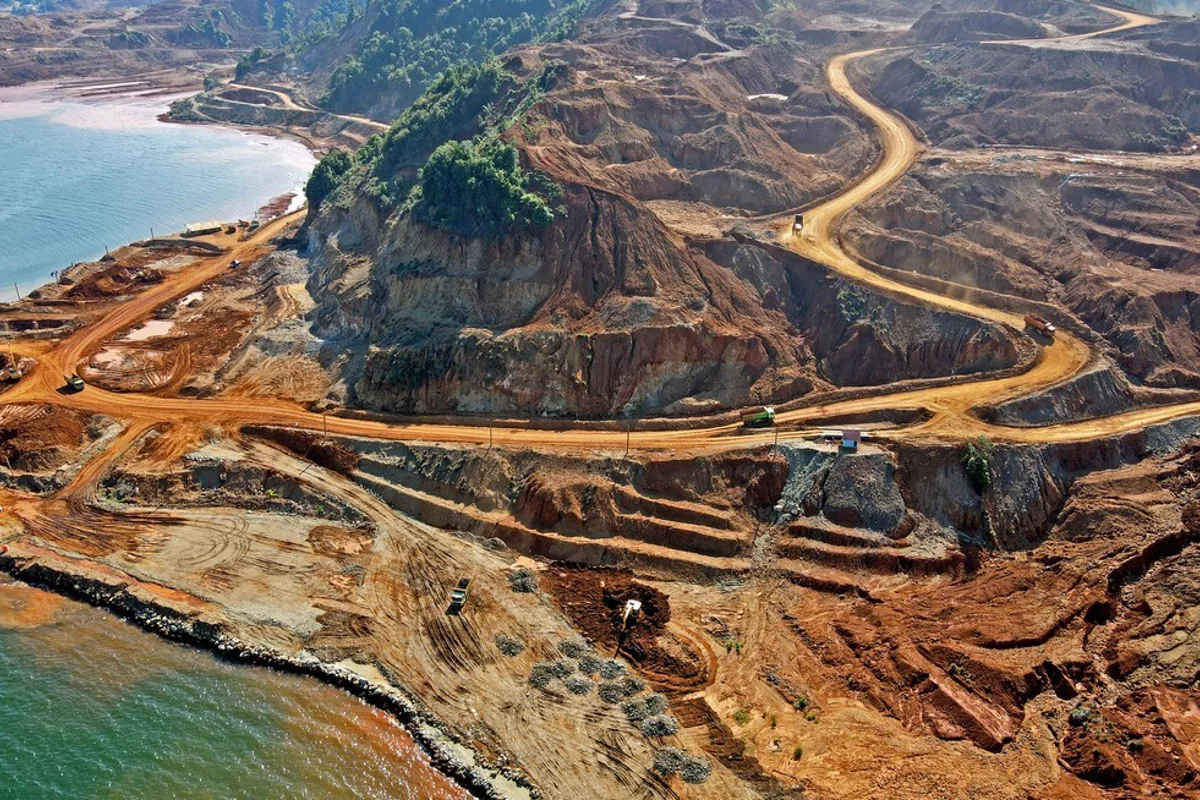
Indonesia's critical mineral policies under President Joko Widodo emphasised domestic processing as a key priority. The goal is to add significant value by processing minerals within the country rather than exporting them in raw form. This strategy began with the ban on nickel exports and then added bauxite. However, the nation plans to continue and expand this approach to bolster economic growth.
CSIS pointed out that while the Indonesian government is prioritizing the production and adoption of battery-based electric vehicles as part of its green tech goals, more emphasis needs to be placed on ensuring the environmental sustainability of the domestic nickel supply chain.
Habib said, “Ideally, this domestic processing policy not only focuses on the end goal, but we must ensure that the means or the production is sustainable. This includes keeping a watchful eye on how much greenhouse gas emission is being emitted in the process.”
“There is nothing wrong with managing our critical minerals, but the process should pay attention to the international standards and the environment.”
Indonesia should also focus on a more sustainable method of aluminium production, as it uses fossil power. Experts caution that Indonesia's rapid construction of coal-fired power plants to fuel its industries threatens to cement its dependence on fossil fuels, defying its climate pledges. With coal already constituting 43 per cent of the nation's electricity mix, Indonesia is one of the world's leading emitters of CO2 from fossil fuels.













_md.webp)
_md.webp)
_md.webp)