Indian renewable energy, driven by solar, contributes 22% to the 256GW peak demand
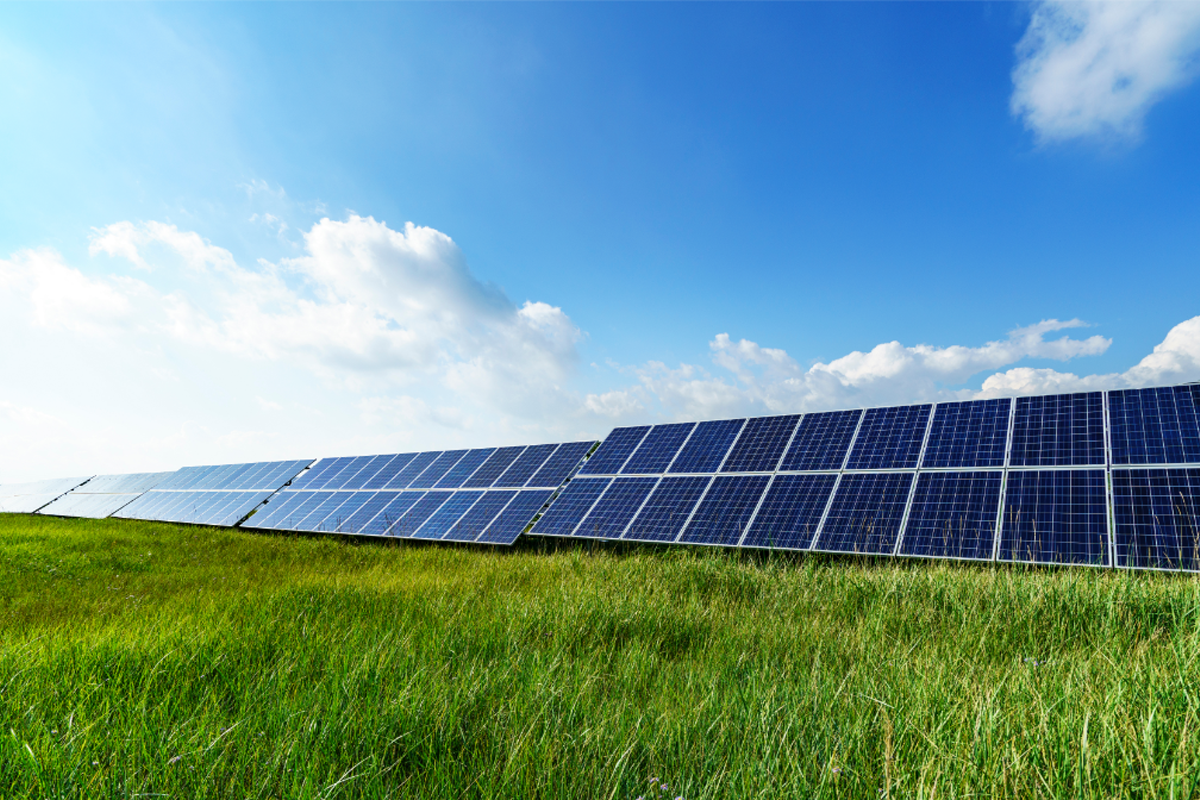
Stock image for referential purposes only
India’s power sector has entered a new phase of resilience, with solar energy emerging as a strong force in meeting record electricity demand. Prompted by intense summer consumption, the country successfully addressed an all-time high peak demand of 256 gigawatts (GW), highlighting the growing role of renewable energy in stabilising the Indian energy mix.
Accounting for around 22 per cent of total generation, solar industries contributed nearly 57 GW at the peak load recorded in the afternoon of April 24, which stood at 256.1 GW. Earlier that day, solar energy output surged even higher, reaching almost 81 GW and making up approximately one-third of the total electricity generation.
Explore- Most accurate data to drive business decisions with Global ALuminium Industry Outlook 2026 across the value chain
This sharp rise throws light on the rapid scale-up of both utility-scale solar projects as well as rooftop installations across the country. Comparing year-on-year, a rise can be noted in renewable energy’s share of the contribution to meeting India’s peak power demand. In 2023, it stood at 10.9 per cent, which climbed to 15.1 per cent in 2024 and to 15.4 per cent in 2025.
The latest peak surpassed the previous high recorded just a day earlier, indicating a stable demand pressure amid rising temperatures. While, as of April 25, coal continues to anchor baseload supply, contributing 171.8 GW to the grid, the steadily increasing share of non-fossil fuel energy and renewable energy sources like solar with 60.5 GW, hydro with 11.2 GW, wind with 4.6 GW, and nuclear with 6.3 GW, is reshaping India’s energy mix.
Don't miss out- Buyers are looking for your products on our B2B platform
Policy and operations continue to reinforce the solar industry
The policy framework has also been aligned with this transition. In his recent Mann Ki Baat address, Prime Minister Narendra Modi emphasised the strategic importance of renewable energy, referring to solar and wind energies as central to India’s long-term energy security amid global uncertainties.
Additionally, at the operational level, the government is also focusing on storage solutions with increased importance. Officials have noted that the expansion of battery energy storage systems is expected to further strengthen the solar industry’s role, especially in meeting peak demand in the evening.
With peak demand projected to climb further in the upcoming months, the integration of renewable energy, led by solar energy, is likely to remain critical in ensuring grid stability while advancing India’s clean energy ambitions.
Must read: Key industry individuals share their thoughts on the trending topics

GAIL announces 600 MW solar project in Uttar Pradesh
Next articleChina begins construction of 4 GW renewable transmission project in Inner Mongolia
Grow with
AL Circle