With renewable energy set to power 45% of global electricity, led by China, Europe, US, India, where do aluminium industries stand?
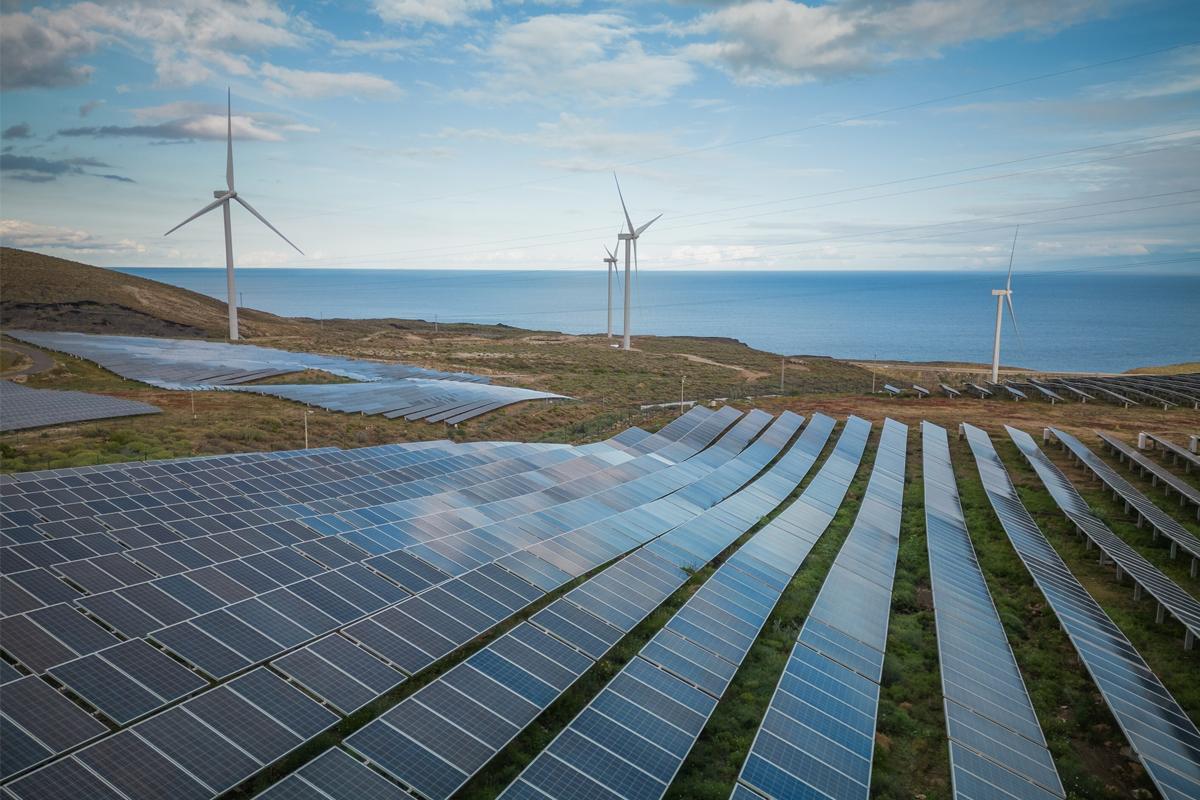
Source: Stock image
Renewable energy is moving from supportive to strategic role as it is set to account for 45 per cent of the global electricity generation. This marks a structural shift in how industries will be powered. China, Europe, the United States, and India are at the centre of this transformation, driven by rapid additions in solar, wind, and hydropower capacity. While these regions lead the clean energy buildout, they also represent some of the world’s most significant aluminium production hubs, where electricity remains the single most critical input cost. So, this calls for an evaluation that how far the clean power surge in these regions is translating into lower-carbon aluminium production across these major regions.
Before that assessment, the scale of the renewable buildout itself deserves attention. According to the International Energy Agency, global renewable power capacity is expected to reach 4,600 GW between 2025 and 2030, nearly double the growth recorded in the previous five-year period. Solar power will remain the dominant growth engine, accounting for 80 per cent of new renewable electricity capacity, while onshore wind, offshore wind, and hydropower will continue to provide balance and system support.
Solar energy is winning the race
Unlock full access – sign up for FREE.
Key benefits
ASI certifies Nemak Győr Alumíniumöntöde Kft against Performance Standard V3.1 with Provisional Certification status
Next articleDiscovery Bauxite to develop 2.5-million-gallon pond for St Ann farmers
Grow with
AL Circle